While officials celebrate breeding success, leading scientists warn that the project lacks adequate habitat and prey for a sustainable population.
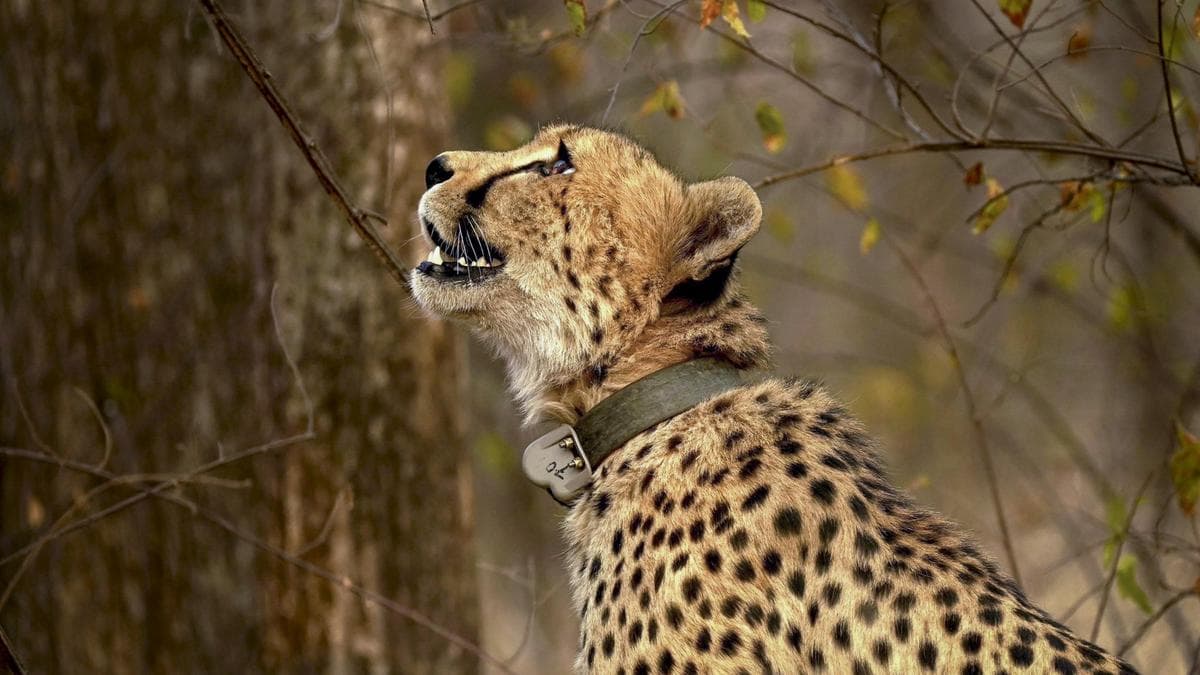
The landscape of Indian conservation has shifted dramatically following the arrival of nine wild African cheetahs last week. Transported from Botswana’s savannah, these big cats underwent quarantine before enduring a grueling 10-hour flight over the Indian Ocean via the Indian Air Force to Gwalior. From there, helicopters ferried them to quarantine enclosures in Kuno National Park, Madhya Pradesh. This latest batch marks a significant milestone for the controversial multi-crore Project Cheetah, yet it has ignited a fierce debate among experts regarding the viability of the initiative.
The project, flagged off in 2022 by Prime Minister Narendra Modi on his birthday, aims to reintroduce African cheetahs to India after Asiatic cheetahs were hunted to extinction in the country in 1952. The government’s vision is ambitious: establishing a self-sustaining metapopulation of 60-70 cheetahs across 17,000 sq. km by 2032. With this new batch, India now possesses 53 cheetahs in total. This figure includes 33 cubs born domestically and 20 adults previously brought from Namibia and South Africa. Recent breeding successes have been highlighted, with Jwala giving birth to five cubs on March 9 and Gamani producing four offspring recently.
According to a government press note, Gandhi Sagar Wildlife Sanctuary is ready for the next phase of expansion. The National Tiger Conservation Authority originally posited that the cheetah would serve as a flagship species to save prey-bases and other endangered species like the great Indian bustard and the Indian wolf within grassland ecosystems. Additionally, the scheme hopes to enhance livelihood options for local communities through ecotourism.
Despite these milestones, wildlife biologist and CEO of Metastring Foundation Ravi Chellam argues that the project must immediately halt further imports of wild African cheetahs. He contends that the initiative has focused disproportionately on captive breeding rather than habitat restoration. Chellam describes the celebration of captive-bred cubs as "farcical," noting that the Cheetah Action Plan does not even mention such breeding efforts as a primary metric.
He highlights a critical ecological deficit: the carrying capacity of the 748.76 sq. km Kuno National Park is estimated to be only about 10 adult cheetahs at best. However, with every captive-bred litter, numbers are set to rise, exacerbating the strain on resources. Chellam emphasizes that India currently lacks adequate habitat extent suitable for hosting a wild population due to poor habitat quality and insufficient prey availability. Nitin Rai, a fellow at the Ashoka Trust for Research in Ecology and the Environment, agrees, stating the project is destined to fail without habitat for an expanding population.

Rai goes further to characterize the initiative as a "green grab," suggesting land is being controlled in the name of conservation similar to tiger reserves. He argues that forest dwellers are moved out under this guise, and that recreating massive grassland areas must precede any reintroduction efforts.
The reality on the ground presents a grim picture for some of the animals involved. The fate of African cheetahs in India has not been rosy; nine imported big cats and 12 cubs born in India have died so far at Kuno. Specific causes include acute heart failure, dermatitis, myiasis, septicaemia, drowning or poisoning, and fractures sustained while hunting. Notable deaths include Uday, Daksha, Tejas, Suraj, Dharti, Pavan, and Nabha.
Despite these concerns, Y.V. Jhala, former dean of the Wildlife Institute of India and designer of the project, remains optimistic about breeding success and subspecies compatibility. Subharanjan Sen, Chief Wildlife Warden of Madhya Pradesh, defended the management practices, stating that supplementing prey from high-density areas is standard in low-prey spaces. He noted the existence of two chital breeding enclosures to support the cheetah territory. However, critics like Dr. Rai suggest that conservation elites have run roughshod over local opinions and landscape histories since the decision was made to bring cheetahs after lions were not released from Gujarat.
The debate surrounding Project Cheetah highlights a sharp divide between conservation goals and ecological realities. While government officials celebrate breeding milestones and plan for expansion into Gandhi Sagar Wildlife Sanctuary, scientists warn that the current infrastructure cannot support an expanding population. With significant mortality rates recorded among both imported and captive-bred individuals, the question remains whether the project can achieve its "global conservation" aims without addressing the fundamental lack of suitable grassland habitat and prey availability.
Jun 9, 2026 02:39 UTC
US Warplane Strikes Tanker MT Marivex; Crew Evacuated in Gulf of Oman
Join 50,000+ readers getting the global briefing every morning.
No spam. Unsubscribe anytime.
Jun 9, 2026 00:00 UTC
INDIA Bloc Leaders Gather in Delhi to Forge Strategic Unity
Jun 8, 2026 22:55 UTC
Netanyahu Vows Forceful Response to Future Iran Attacks
Jun 8, 2026 20:56 UTC
Netanyahu Halts Iran Fighting, Vows Future Force
Jun 8, 2026 20:54 UTC
Justice Department Moves to Strip Citizenship from 17 Individuals