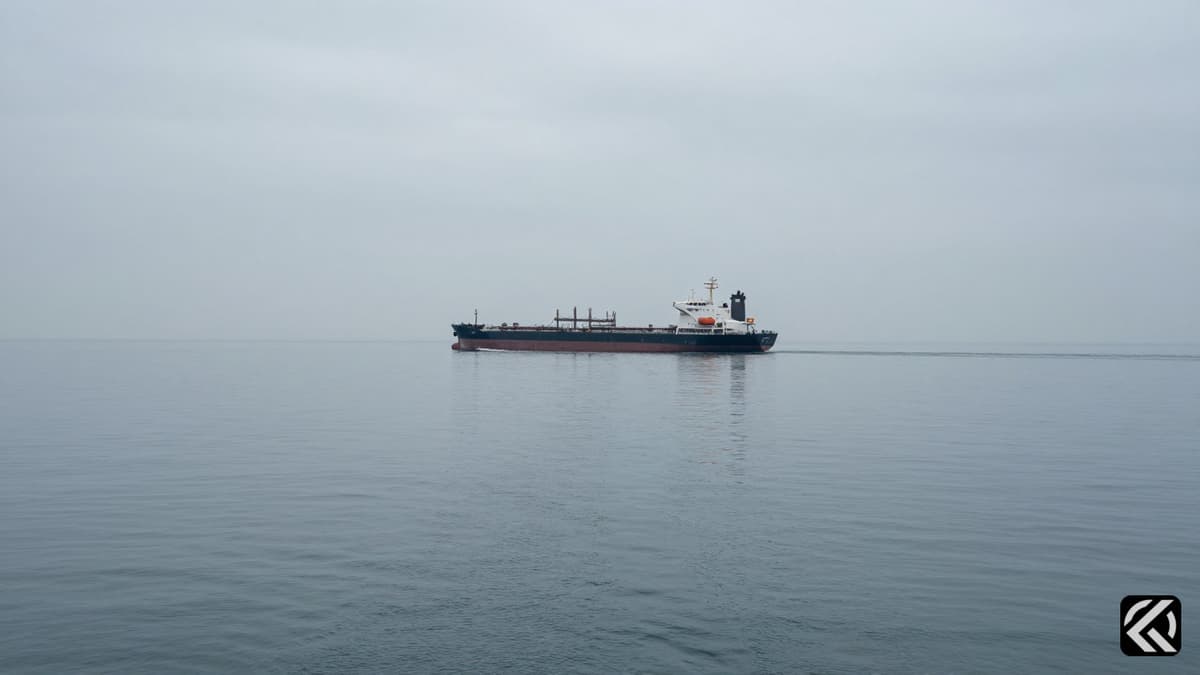
As the Iran ceasefire faces uncertainty, US officials are drafting aggressive plans to strike key Iranian military assets in the Strait of Hormuz.
The United States military is actively developing new strategic plans to target Iran’s defensive capabilities in the Strait of Hormuz should the ongoing ceasefire collapse, according to multiple sources with knowledge of the situation. These emerging operational frameworks represent a significant shift in potential military engagement, focusing heavily on the critical waterway that serves as a primary lever of Iranian influence against the US.
The options under consideration include "dynamic targeting" of Iranian military assets located around the Strait of Hormuz, the southern Arabian Gulf, and the Gulf of Oman. These plans specifically aim at small fast-attack boats, minelaying vessels, and other asymmetric tools that Tehran has utilized to effectively shut down these vital trade routes. This shutdown has triggered massive ripples across the global economy, threatening to undermine President Donald Trump’s efforts to reduce US inflation, despite the pause in US strikes that began on April 7.
While previous military operations targeted Iran’s Navy, much of the first month of bombing was concentrated on targets further inside Iran to allow for deeper strikes. The new plans call for a much more concentrated bombing campaign around these strategic waterways. This shift acknowledges that while Iran’s coastal defense missiles have largely survived the initial phase of conflict, its smaller, more elusive assets continue to pose a significant challenge to US naval operations.
Military strikes around the strait, on their own, are unlikely to immediately re-open the waterway, multiple sources, including a senior shipping broker, told CNN. “Unless you can unequivocally prove that 100% of Iran’s military capability is destroyed or near certainty that the US can mitigate the risk with our capability, it will come down to how badly is [Trump] willing to accept the risk and start pushing ships through the strait,” one source familiar with the military planning said.
The US military could also follow through on Trump’s previous threat to strike dual-use and infrastructure targets, including energy facilities, in an effort to compel Iran to the negotiating table. Striking infrastructure targets would represent a controversial escalation in the conflict, some current and former US officials have warned. Another option developed by military planners is to target individual Iranian military leaders and other “obstructionists” within the regime who US officials have recently suggested are actively undermining negotiations. This includes Ahmad Vahidi, the Commander-in-Chief of the Islamic Revolutionary Guard Corps.
“Due to operations security, we do not discuss future or hypothetical movements,” a Defense Department official said when asked about target planning. “The U.S. military continues to provide the President options, and all options remain on the table.”
Trump has repeatedly claimed that the Iranian regime is “fractured” after joint US-Israeli operations killed a number of high-ranking officials, including the country’s supreme leader. In a social media post on Thursday, Trump pointed to an apparent split between the IRGC and members of the government who had been engaged in talks with the US as one challenge standing in the way of a diplomatic agreement.
“Iran is having a very hard time figuring out who their leader is! They just don’t know! The infighting is between the ‘Hardliners,’ who have been losing BADLY on the battlefield, and the “Moderates,” who are not very moderate at all (but gaining respect!), is CRAZY!” Trump wrote.
Additional US strikes would likely also target Iran’s remaining military capabilities, including missiles, launchers and production facilities that were not destroyed in the initial wave of US-Israeli attacks or may have been moved to new strategic positions since the ceasefire started. CNN previously reported that roughly half of Iran’s missile launchers and thousands of one-way attack drones had survived the US bombing campaign, US intelligence had assessed.
Last week, Defense Secretary Pete Hegseth acknowledged during a press briefing that Iran has moved some of its remaining military assets to new locations during the ceasefire and threatened to hit those targets should Iran refuse to agree to a deal. Trump appears wary of restarting the war with Iran and would prefer a diplomatic resolution to the conflict, CNN has reported. But at the same time, multiple sources acknowledged that Trump’s ceasefire extension is not “indefinite” and the US military is standing ready to resume strikes if called upon to do so.
Trump has continued to voice frustration over Iran’s refusal to reopen the Strait of Hormuz, which it effectively closed-off to international shipping in response to the opening salvo of US-Israeli strikes. The Trump administration underestimated Iran’s willingness to shut down the strait prior to launching the war - a move that could have likely been “prevented” if the US had positioned military assets nearby at the outset to deter or respond Tehran from doing so, according to two sources familiar with the initial planning for the war.
Failing to prevent Iran from effectively closing the strait during the initial days of the war has ultimately led to the current standoff between the two countries as tankers largely remain unwilling to risk transiting the waterway due to fear of attack.
The US Navy currently has 19 ships in the Middle East, including two aircraft carriers, and seven ships in the Indian Ocean, a US official said Thursday. The US military began enforcing a blockade of Iranian ports using much of that force on April 13 and has redirected at least 33 ships as of Thursday. US forces have also boarded at least three ships, including two in the Indian Ocean, roughly 2,000 miles from the Persian Gulf. The most recent boarding occurred overnight on Wednesday, when US forces boarded a “sanctioned stateless vessel” carrying oil from Iran in the Indian Ocean, the Defense Department announced.
The development of these contingency plans highlights the fragile nature of the current Iran ceasefire and the enduring strategic importance of the Strait of Hormuz. If diplomatic efforts fail to produce a resolution, the US military’s readiness to execute precise strikes against both asymmetric naval assets and high-value political targets suggests a potential for rapid and significant escalation. The continued blockade and the movement of Iranian military assets indicate that Tehran retains the capacity to disrupt global energy supplies. Consequently, the long-term impact of these US military targeting plans will likely dictate not only the immediate safety of shipping lanes but also the stability of global markets, which remain highly sensitive to any disruption in Middle Eastern oil transit.
Jun 8, 2026 06:24 UTC
Magnitude 7.8 Earthquake Shocks Philippines, Killing Four in General Santos
Jun 8, 2026 06:22 UTC
Xi Jinping Lands in Pyongyang for Rare Kim Jong Un Meeting
Jun 8, 2026 04:15 UTC
Trump Urges Netanyahu to Halt Iran Strike for Peace
Jun 8, 2026 02:17 UTC
Magnitude 7.8 Quake Shakes Philippines, Urging Immediate Evacuations
Jun 8, 2026 12:37 UTC
Iran Halts Strikes on Israel, Warns of Harsher Retaliation


