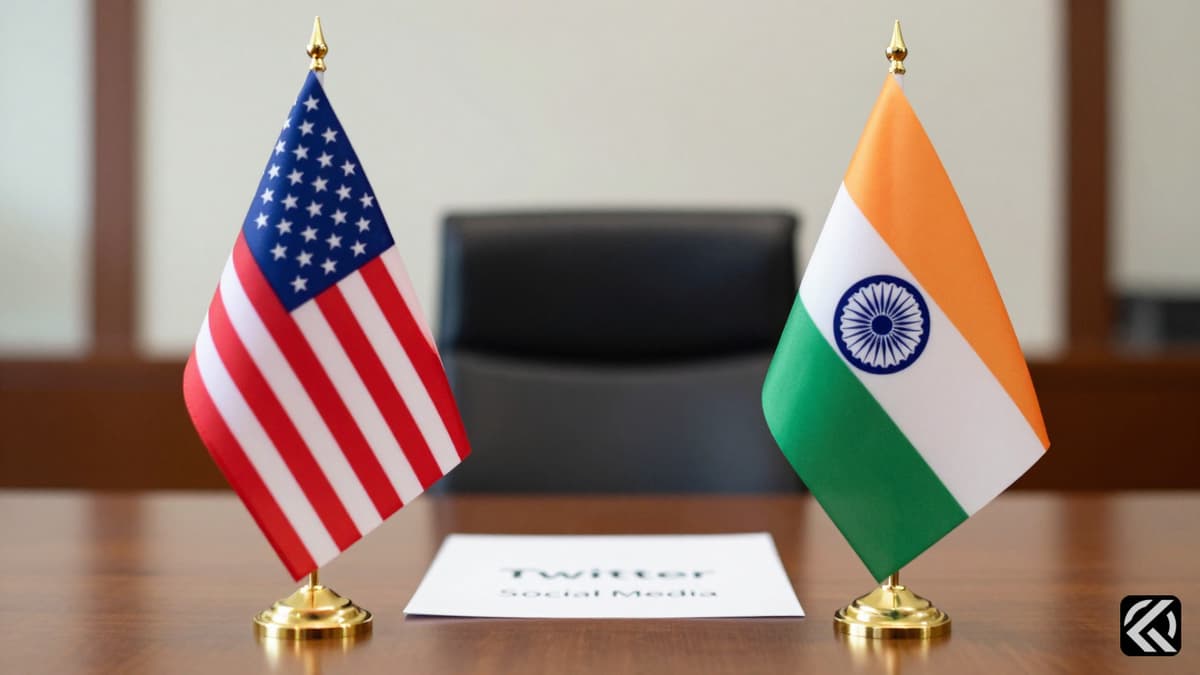
Diplomatic tensions flare as the US embassy scrambles to manage fallout from President Trump's derogatory social media post regarding India and China.
In a significant diplomatic incident unfolding on Thursday, the United States Embassy in New Delhi activated its full US Embassy Damage Control protocols following a controversial social media post by President Donald Trump. The post, which referred to India and China as "hellholes" in the context of immigration debates, triggered immediate political criticism and necessitated urgent clarification from Washington.
The diplomatic fallout began when President Trump reposted a commentary on his platform, Truth Social, which heavily criticized current immigration trends into the United States. The President’s post explicitly linked these concerns to specific nations, stating, "A baby here becomes an instant citizen, and then they bring the entire family in from China or India or some other hellhole on the planet." This specific Trump Hell Holes Remark ignited a firestorm of backlash, forcing US officials to address the discrepancy between the President's recent diplomatic language and the derogatory terminology used in the post.
In response to the rising tensions, US Embassy Spokesperson Christopher Elm moved quickly to defuse the situation by contextualizing President Trump’s views through his past positive interactions with Indian leadership. Elm cited remarks Trump made in October 2025 at a world leaders' summit, following the conclusion of the Israel-Hamas war via a Gaza ceasefire. At that time, President Trump stated, "India is a great country with a very good friend of mine at the top and he's just done a fantastic job. I think Pakistan and India are going to live very nicely together." Elm emphasized that the President has repeatedly referred to Prime Minister Narendra Modi as a "great friend," including during a recent phone call concerning the Iran conflict.
Elm also referenced a direct conversation with the White House regarding the President's sentiments. When asked by ANI about the interaction, Elm relayed, "I had a very good talk with him and he's a friend of mine from India and he's doing great. We had a very good conversation." This attempt to highlight the was an effort to contrast the President's private diplomatic engagements with his public social media rhetoric.
However, the Indian government’s response remained measured and reserved. India’s Ministry of External Affairs (MEA) spokesperson Randhir Jaiswal addressed the controversy with a concise non-answer, stating, “We have seen some reports. That’s where I leave it.” This terse response from New Delhi signals a cautious approach to the diplomatic strain caused by the President's social media activity, which has drawn sharp criticism for its derogatory nature and implication of systemic issues.
The controversial post did not merely attack the concept of immigration but alleged specific structural biases within the United States. Trump’s text claimed that "almost all the internal mechanisms are set up to run by Indians and Chinese," a statement that further fueled concerns about the tone of the US administration towards its economic partners in Asia. The post argued that the integration seen in earlier waves of European immigration "is long over," suggesting that the United States has shifted from a "melting pot" to a "cash in pot."
This narrative of declining loyalty and linguistic shift-claiming that "English is not spoken here anymore" and that there is "almost no loyalty to this country amongst the immigrant class"-has been identified as the core of the political criticism. The disparity between these public allegations and the President’s previous praise of India’s leadership creates a complex diplomatic environment for both nations.
The incident highlights the volatile nature of modern diplomacy, where social media posts can instantly alter the diplomatic landscape. The US Embassy’s efforts to pivot back to the narrative of friendship and past cooperation suggest an awareness of the potential strain these remarks could place on bilateral relations. As the situation develops, the focus remains on whether future interactions between Washington and New Delhi can sustain the previously established rapport amidst such conflicting public messages.
The current friction poses a risk to the established trajectory of India-US ties, which have historically benefited from high-level personal rapport. If such derogatory rhetoric becomes a recurring feature of the administration's communication strategy, it may necessitate a more defensive diplomatic posture from New Delhi. The contrast between private praise and public criticism could lead to increased scrutiny of US policy statements by Indian media and officials, potentially cooling the "great friend" narrative in favor of a more transactional relationship dynamic.
Jun 8, 2026 02:17 UTC
Magnitude 7.8 Quake Shakes Philippines, Urging Immediate Evacuations
Join 50,000+ readers getting the global briefing every morning.
No spam. Unsubscribe anytime.
Jun 8, 2026 02:17 UTC
Magnitude 7.8 Quake Shakes Philippines, Urging Immediate Evacuations
Jun 8, 2026 00:51 UTC
Trump Claims Iran Nuclear Deal Imminent Despite Diplomatic Fractures
Jun 8, 2026 00:47 UTC
Iran Fires Missiles at Israel After Beirut Strike
Jun 7, 2026 22:38 UTC
Congress Party Claims Unity for INDIA Bloc Delhi Meeting


