Tensions persist in West Asia as a brief reprieve is secured, while Tehran activates air defenses and warns against closing key shipping lanes under US pressure.
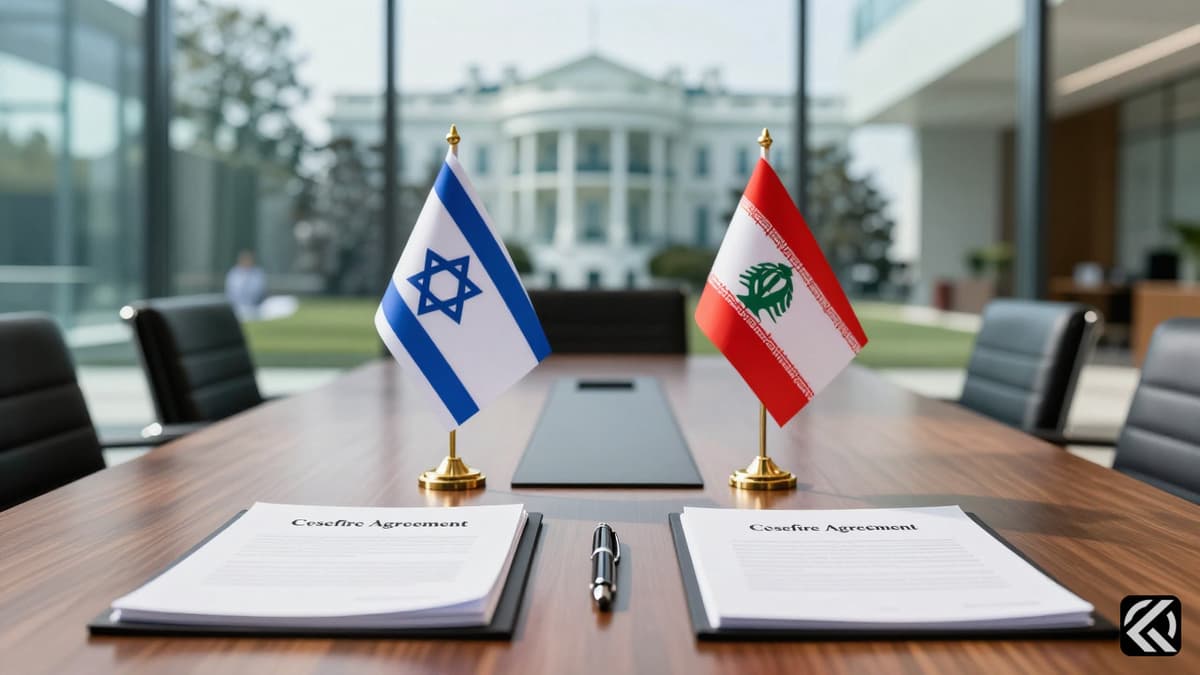
The geopolitical landscape of West Asia shifted dramatically this week as U.S. President Donald Trump announced that Israel and Lebanon have agreed to extend their ceasefire by three weeks. This decision follows high-level talks at the White House on Thursday, April 23, 2026, where ambassadors from both nations held what Trump described as a "very well" proceeding meeting. This engagement marks the second significant high-level negotiation between the two countries in just seven days, signaling a precarious but active diplomatic track aimed at stabilizing the region.
Simultaneously, the fragile peace on the ground was underscored by heightened military readiness in Iran. Iranian state media reported the activation of air defense systems across western Tehran on Thursday evening, responding to reports of hostile aerial activity. This marks the first such report since the ceasefire began, with state news agency IRNA confirming the "sound of air defence firing" and Mehr news agency noting that systems were activated to counter "hostile targets" without providing further details.
The extension of the truce came at a critical juncture. With the original ceasefire due to expire earlier in the week, Mr. Trump announced an indefinite extension at the eleventh hour. This strategic pause was designed to provide more time for peace talks that are being brokered by Pakistan. The move reflects the urgency of international mediators to prevent a relapse into full-scale conflict, particularly given the complex web of alliances and antagonisms in the region.
Iran’s response to these diplomatic developments was measured yet defiant. While Tehran welcomed Pakistan’s efforts to facilitate dialogue, it offered no specific comment on Mr. Trump’s announcement regarding the ceasefire extension. Instead, Iran focused its rhetoric on its economic and strategic leverage, specifically regarding the Strait of Hormuz. On the same day as the diplomatic announcements, Iran vowed it would not reopen the Strait of Hormuz as long as the United States continues its blockade of Iranian ports. This stance has dominated the ceasefire narrative, highlighting how economic warfare and territorial control remain central to the standoff.
The situation is further complicated by the broader economic implications for Israel. Questions are rising regarding whether Israel’s economy can sustain conflicts on multiple fronts indefinitely. The sudden extension of the truce suggests that military stalemates or economic pressures may be forcing a pause in hostilities, even as underlying tensions remain unresolved. The activation of air defenses in Tehran serves as a stark reminder that while diplomats are talking, the military readiness of the involved parties has not diminished.
The role of external mediators has become increasingly vital. Pakistan’s involvement in brokering these talks indicates a shift toward third-party intervention in what was previously viewed as a bilateral or regional dispute involving direct U.S. support for Israel. The fact that the meeting between the ambassadors went "very well" is a positive indicator, but the lack of detailed public outcomes from the White House talks leaves many questions about the terms of the extension.
For Iran, the standoff over port blockades represents a critical pressure point. The threat to close the Strait of Hormuz, a vital global oil shipping lane, is a significant lever in negotiations with the United States. By linking the cessation of hostilities in Lebanon and Israel to the lifting of port blockades, Iran is attempting to extract concessions that go beyond the immediate ceasefire. This linkage demonstrates how interconnected these conflicts have become; a resolution in one theater cannot easily be achieved without addressing the grievances in another.
The international community watches closely as this three-week extension plays out. The window provided by Mr. Trump’s announcement is not just a pause in fighting but a critical period for testing the viability of a broader peace framework. If the talks brokered by Pakistan fail to yield a sustainable agreement, the return to hostilities could be more intense, given the heightened military alerts already observed in Tehran.
The current extension of the ceasefire serves as a temporary stabilizer in a volatile region, but it does not resolve the underlying structural conflicts. The simultaneous activation of air defenses in Iran and the diplomatic extensions in Washington highlight a dual approach of military preparedness and diplomatic engagement. The refusal of Iran to reopen the Strait of Hormuz while US blockades persist indicates that economic sanctions remain a primary tool of coercion, likely prolonging the tension beyond the ceasefire period. As the three-week window closes, the success of the Pakistan-brokered talks will determine whether this extension leads to a permanent resolution or merely delays the next escalation.
Jun 8, 2026 14:20 UTC
Xi Jinping Returns to North Korea for Strategic Leverage
Jun 8, 2026 12:37 UTC
Iran Halts Strikes on Israel, Warns of Harsher Retaliation
Jun 8, 2026 06:24 UTC
Magnitude 7.8 Earthquake Shocks Philippines, Killing Four in General Santos
Jun 8, 2026 06:22 UTC
Xi Jinping Lands in Pyongyang for Rare Kim Jong Un Meeting
Jun 8, 2026 20:56 UTC
Netanyahu Halts Iran Fighting, Vows Future Force


