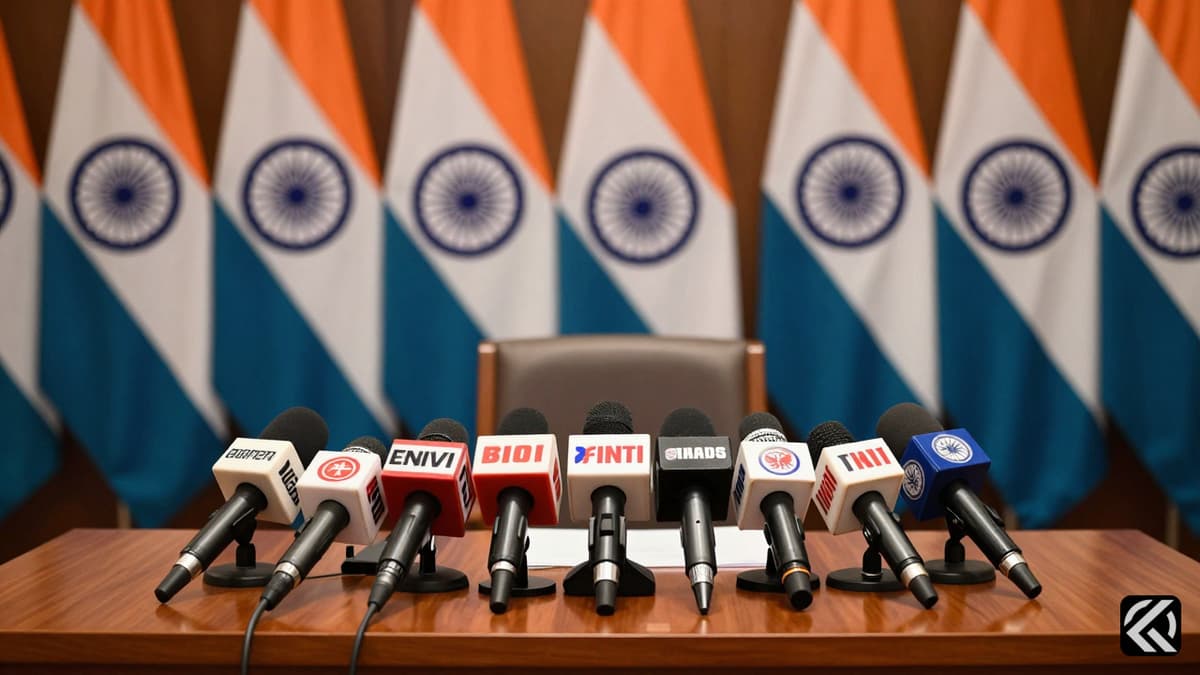
A significant political shift occurs as Raghav Chadha and six AAP Rajya Sabha MPs abandon their party to join the BJP, citing constitutional merger provisions.
In a decisive political maneuver that reshapes the landscape of national parliamentary opposition, Rajya Sabha member Raghav Chadha and six other parliamentarians from the Aam Aadmi Party quit their respective posts and joined the BJP on Friday, April 24, 2026. This mass defection marks a critical turning point in the legislative dynamics, as the group formally declared their intention to merge their parliamentary standing with the ruling party. The announcement was made during a joint press conference, signaling a unified front among the defectors. The event highlights the fragility of party loyalty in the face of internal conflicts and strategic realignments within India’s political arena. The timing of this departure suggests a calculated response to recent internal party struggles, fundamentally altering the balance of power in the upper house.
The immediate trigger for this exodus appears rooted in recent internal disciplinary actions within the AAP. Mr. Chadha, who had been recently demoted by the AAP leadership, addressed the media alongside fellow defectors Sandeep Pathak and Ashok Mittal. The demotion likely served as the catalyst for the decision to leave the party, reflecting deeper ideological or strategic divergences. By publicly aligning with the BJP, Chadha and his colleagues have chosen to pivot from their previous opposition role to supporting the government. This shift is not merely symbolic but represents a tangible change in the voting blocs and legislative support structures within the Rajya Sabha. The presence of multiple MPs indicates a coordinated effort rather than an isolated incident of discontent.
During the press conference, the defectors articulated a legalistic justification for their actions, moving beyond simple political opportunism to frame their decision within constitutional frameworks. Mr. Chadha, speaking on behalf of the group, emphasized that they were exercising specific rights granted by the nation’s founding document. He stated, “We have decided that we, the 2/3rd members belonging to the AAP in Rajya Sabha, exercise the provisions of the Constitution of India and merge ourselves with the BJP.” This declaration underscores the magnitude of the defection, as it involves a significant portion-two-thirds-of the AAP’s representation in the upper house. The reference to constitutional provisions suggests an attempt to legitimize the merger as a lawful exercise of political freedom rather than a breach of party discipline.
The legal and procedural implications of this merger are significant for the BJP and the AAP alike. For the ruling party, the addition of six Rajya Sabha MPs provides a stronger majority or closer alignment in the upper house, potentially smoothing the passage of legislation that might have faced hurdles previously. For the AAP, losing two-thirds of its Rajya Sabha strength represents a severe blow to its national political profile and its ability to influence national discourse through legislative debate. The remaining AAP members in the Rajya Sabha are now a minority, drastically reducing their leverage in negotiations and committee assignments. This shift could force the AAP to reconsider its strategy at the national level, possibly focusing more on state-level governance or preparing for future electoral contests rather than relying on parliamentary presence for political relevance.
The role of Raghav Chadha in this narrative is pivotal due to his prior visibility and the specific mention of his recent demotion. His departure, accompanied by senior figures like Sandeep Pathak and Ashok Mittal, suggests that the defection is not limited to junior members but includes experienced parliamentarians. This indicates that the dissatisfaction within the AAP may be widespread or that strategic calculations regarding the future of the party have led these veterans to seek alignment with the BJP. The joint nature of the press conference reinforces the unity of the defectors, presenting a consolidated block to the media and the public. This unity is crucial for the stability of the new alliance and may prevent further fragmentation or internal dissent within the newly formed group within the BJP framework.
Political analysts will likely scrutinize the long-term effects of this merger on the broader opposition landscape. The reduction of the AAP’s presence in the Rajya Sabha weakens one of the key alternative voices in Indian politics. This could lead to a consolidation of political power around the BJP, reducing the diversity of perspectives in the upper house. Alternatively, it might prompt other smaller parties or independent MPs to reassess their own positions and allegiances in anticipation of further realignments. The move also raises questions about the durability of party loyalty in the Indian parliamentary system. As constitutional provisions are cited to justify the merger, it may set a precedent for future defections, where parties might be viewed as transient platforms rather than permanent ideological homes.
This mass defection fundamentally alters the composition of the Rajya Sabha, with two-thirds of the AAP’s members now aligned with the BJP. The immediate impact is a strengthened position for the ruling party in legislative matters, potentially facilitating smoother governance. Looking ahead, the AAP must rebuild its parliamentary presence and redefine its national strategy, possibly facing a period of isolation or renewed focus on state-level politics. The BJP, having secured this addition, may leverage the increased support to push forward its legislative agenda with greater confidence. Future political stability in the upper house will depend on whether this merger holds firm or if further splintering occurs among the remaining opposition voices.
Jun 8, 2026 20:56 UTC
Netanyahu Halts Iran Fighting, Vows Future Force
Join 50,000+ readers getting the global briefing every morning.
No spam. Unsubscribe anytime.
Jun 8, 2026 20:54 UTC
Justice Department Moves to Strip Citizenship from 17 Individuals
Jun 8, 2026 18:37 UTC
Trump Denied War Pledge Despite Clear Campaign Records
Jun 8, 2026 18:27 UTC
INDIA Bloc Unanimously Demands Education Minister’s Resignation
Jun 8, 2026 16:44 UTC
Trinamool Congress Rebellion: Rebel MPs Form Bloc to Back NDA