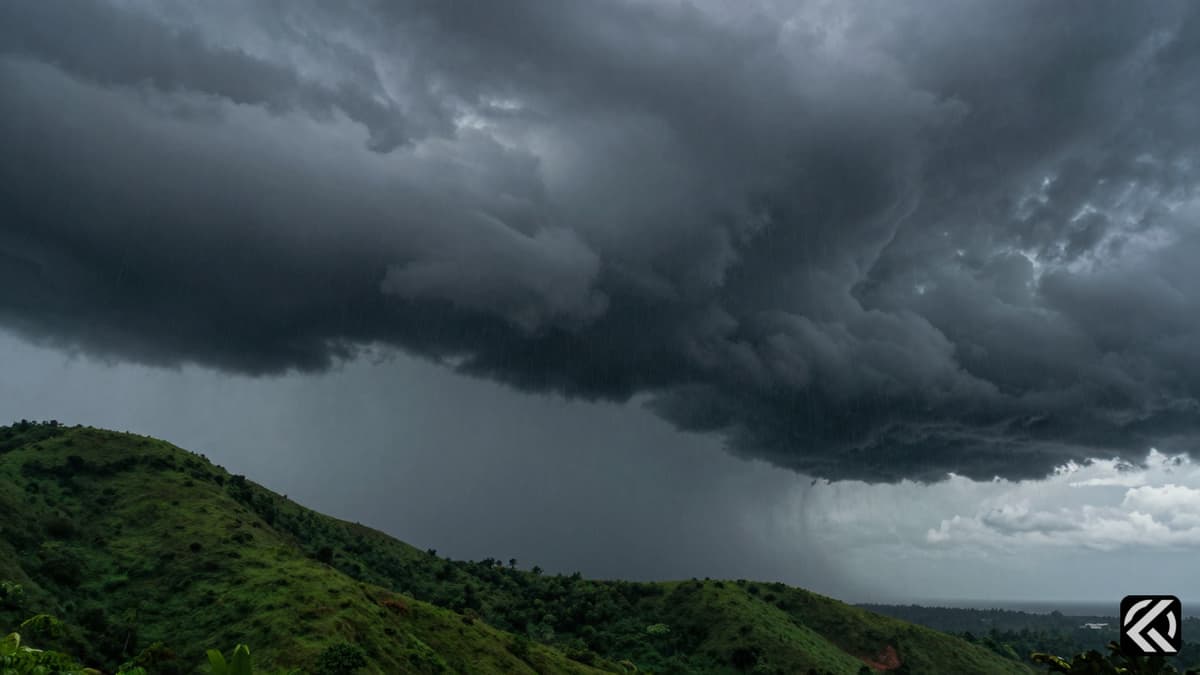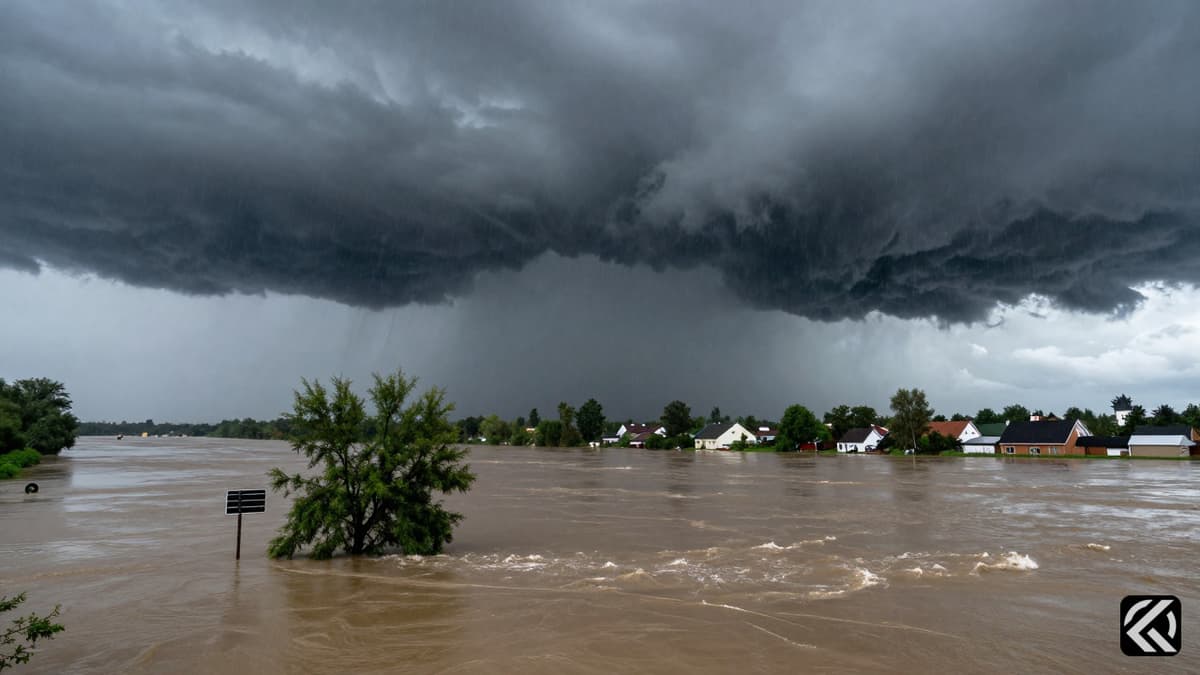
A devastating severe storm outbreak is poised to strike the central US on Friday, compounding weeks of tornadoes and historic flooding in the Great Lakes region.
A new severe storm outbreak is set to slam the central US on Friday, targeting regions already battered by a multi-day onslaught of tornadoes, massive hail, and historic flooding. This threat emerges immediately following a chaotic week that produced more than three dozen tornado reports and over 300 instances of hail, some reaching softball size, stretching from Texas to the Great Lakes.
Storms capable of generating destructive winds and large hail are expected to develop from Oklahoma City to Green Bay by Friday afternoon and evening. Meteorologists predict the greatest danger lies in Wisconsin, southeastern Minnesota, eastern Iowa, and northern Illinois, where the ingredients for a violent system are aligning perfectly.
A fresh surge of jet stream energy arriving in the central US on Friday will tap into Gulf moisture, likely igniting the severe storm outbreak stretching from northern Texas to northern Wisconsin. Weather forecasters have issued a Level 3 of 5 risk for severe thunderstorms with tornadoes, large hail, and damaging winds for major metropolitan areas including Madison, Wisconsin; Chicago; Kansas City, Missouri; Tulsa, Oklahoma; and Wichita, Kansas.
Further south and east, a Level 2 of 5 risk is in place for Milwaukee; Oklahoma City; St. Louis; Des Moines, Iowa; and Springfield, Missouri. Storms will erupt as soon as early afternoon in the northern part of the threat zone before expanding southward. The first storms could spin up tornadoes-possibly EF3 or stronger-and unleash more destructive hail, posing immediate risks to life and property.
Widespread damaging winds capable of uprooting trees and knocking out power will become the main threat by evening as thunderstorms race east, though tornadoes could still spin up along the leading edge of the storms. This system could produce one final burst of severe storms with a threat of strong winds Saturday in the upper Ohio Valley. The storm-weary central US will finally get a breather starting Sunday as a welcome change in weather pattern ushers in cooler temperatures.

Friday's storms arrive as parts of the Great Lakes are already dealing with significant flooding after repeated rounds of rain this week. The region is coming off one of its wettest starts to spring on record, combined with snowmelt from a very active winter. Rivers in Michigan and Wisconsin have already hit or are forecast to reach major or record flood levels in over 20 locations.
Storms caused flash flooding in Milwaukee Wednesday night, stranding vehicles on flooded roadways. Some highways in the city were closed as drivers became stuck in high water, the Milwaukee County Sheriff's Office said. The city's fire department said it responded to around 50 calls for rescue from rapidly rising water on Tuesday night.
In Michigan, officials are closely monitoring several dams under stress from high water. The Muskegon River rose above record levels Thursday morning, forcing mandatory evacuations for "anyone remaining in the floodplain below Croton Dam" in Newaygo County, the county's emergency services said. Water rescues also took place near Evart, Michigan, as the river rose and started to impact homes, according to the Evart Fire Department.
Residents near and north of the Cheboygan dam complex were told to be ready to evacuate on Thursday morning as water levels continued to rise there, reaching 4.92 inches below the top of the dam by the afternoon. An evacuation order would be triggered if water reaches 1 inch below the top of the dam, a news release from the Michigan Department of Natural Resources states. In Antrim County, Michigan, officials have also advised all residents and businesses downstream of the Bellaire Dam to prepare for possible evacuation. Water levels were stable on Thursday morning, after rising to within 12 inches of the top of the dam Tuesday. An evacuation order would be triggered at an inch below the top, according to a county news release.
With the Wisconsin tornado threat centered in the north, the state faces a dual crisis of wind-driven destruction and the legacy of water. As the jet stream drives the Friday event, the convergence of wind and water creates a compound hazard for communities already depleted by the week's events. The severe storm outbreak promises to test infrastructure resilience, particularly in areas where riverbanks have already overtopped and power grids have faltered.
The approaching Friday system marks a critical juncture for emergency management across the central United States. With the jet stream energy tapping into Gulf moisture, the potential for rapid intensification is high, particularly as the first storms potentially generate EF3 tornadoes early in the afternoon. The risk gradient from a Level 3 in the north to a Level 2 in the south suggests a dynamic threat where the intensity of winds and hail will shift geographically throughout the day.
Community leaders in Michigan have already mobilized mandatory evacuation protocols for floodplains below the Croton Dam and near the Bellaire Dam, anticipating the worst-case scenarios as water levels approach critical thresholds. These proactive measures highlight the severity of the Great Lakes flooding situation, where record-breaking spring precipitation and snowmelt have created a volatile environment. As the storm front expands from Oklahoma City to Green Bay, the coordination between local fire departments, sheriff's offices, and the Department of Natural Resources will be pivotal in managing the immediate rescue operations and potential power outages.
The forecast indicates that while damaging winds and widespread power outages will dominate the evening hours as storms race east, the threat of tornadoes will not fully dissipate until the system exits the region on Saturday. The upper Ohio Valley faces a final burst of strong winds, but the long-term outlook suggests a return to stability. By Sunday, a change in weather patterns will usher in cooler temperatures, finally offering a reprieve to a central US that has endured weeks of relentless and destructive weather activity.
The convergence of these weather patterns presents a complex challenge: the immediate need to mitigate active tornado threats and the longer-term necessity of recovering from historic flooding. As water levels in the Muskegon and Cheboygan rivers continue to fluctuate, the potential for further property damage remains high until the water recedes. The coming days will test the resilience of local infrastructure, with the severe storm outbreak serving as a stark reminder of the region's vulnerability to extreme meteorological events.
As the Friday storm system transitions into Saturday, the upper Ohio Valley will face a final burst of severe weather, but the central US is poised for a significant shift by Sunday. The arrival of cooler temperatures and a new weather pattern will provide a critical respite from the relentless tornadoes and floods that have defined the past week. However, the lasting impact of the Great Lakes flooding will likely persist for weeks, as river levels in Michigan and Wisconsin require time to recede from record highs. The combination of saturated ground and prior flooding may amplify the effects of any future rainfall, suggesting that recovery efforts must be robust and sustained. Emergency managers and residents alike must remain vigilant for secondary impacts, such as landslides or structural weaknesses in dams, as the region transitions from active crisis management to long-term recovery.
Jun 8, 2026 02:17 UTC
Magnitude 7.8 Quake Shakes Philippines, Urging Immediate Evacuations
Join 50,000+ readers getting the global briefing every morning.
No spam. Unsubscribe anytime.
Jun 8, 2026 02:17 UTC
Magnitude 7.8 Quake Shakes Philippines, Urging Immediate Evacuations
Jun 8, 2026 00:51 UTC
Trump Claims Iran Nuclear Deal Imminent Despite Diplomatic Fractures
Jun 8, 2026 00:47 UTC
Iran Fires Missiles at Israel After Beirut Strike
Jun 7, 2026 22:38 UTC
Congress Party Claims Unity for INDIA Bloc Delhi Meeting