As the US president seeks a deal to end weeks of fighting, a senior Gulf official reveals Tehran's refusal to offer a symbolic exit, complicating the Trump Iran conflict.
A senior Gulf official has claimed that Iran is refusing to offer the concessions Donald Trump needs to "save face and leave" the Middle East conflict, even as the US president pushes for a deal to end weeks of fighting. This development marks a significant hurdle in the ongoing Trump Iran conflict, with negotiations stalling over the symbolic requirements of a US exit. According to Politico, the official, who is familiar with ongoing negotiations, said Trump "badly wants this to end" and would be willing to accept compromises. However, the official added that Tehran has so far resisted giving Washington the kind of symbolic win that would allow the US president to exit the conflict on his own terms. The remarks come despite Vice President JD Vance publicly describing Washington's proposal as its "final offer", with backchannel talks still continuing behind the scenes.
Trump himself has attempted to downplay the war, describing it as a "little diversion" during a campaign-style event in Las Vegas. "We had to do that, because otherwise, bad things could happen," he said, referring to Iran's nuclear ambitions, while also calling the country a "lovely place". His comments come as polling suggests the conflict is proving politically costly at home. An Ipsos survey found that a majority of Americans believe the war is not worth its cost, while a Quinnipiac poll showed 65 per cent of voters blaming Trump for rising fuel prices linked to disruptions in the Strait of Hormuz. Approval ratings on his handling of Iran remain low.
On the ground, fragile diplomatic progress has been accompanied by continued volatility. A 10-day ceasefire between Israel and Lebanon has come into effect, with Trump urging Hezbollah to "act nicely and well" during the truce. Iran has welcomed the pause, linking it to its broader ceasefire understanding with the United States, mediated by Pakistan. Yet tensions remain high, with Israeli strikes killing civilians in southern Lebanon just hours before the truce began and Hezbollah signalling it could resume hostilities if attacks continue.
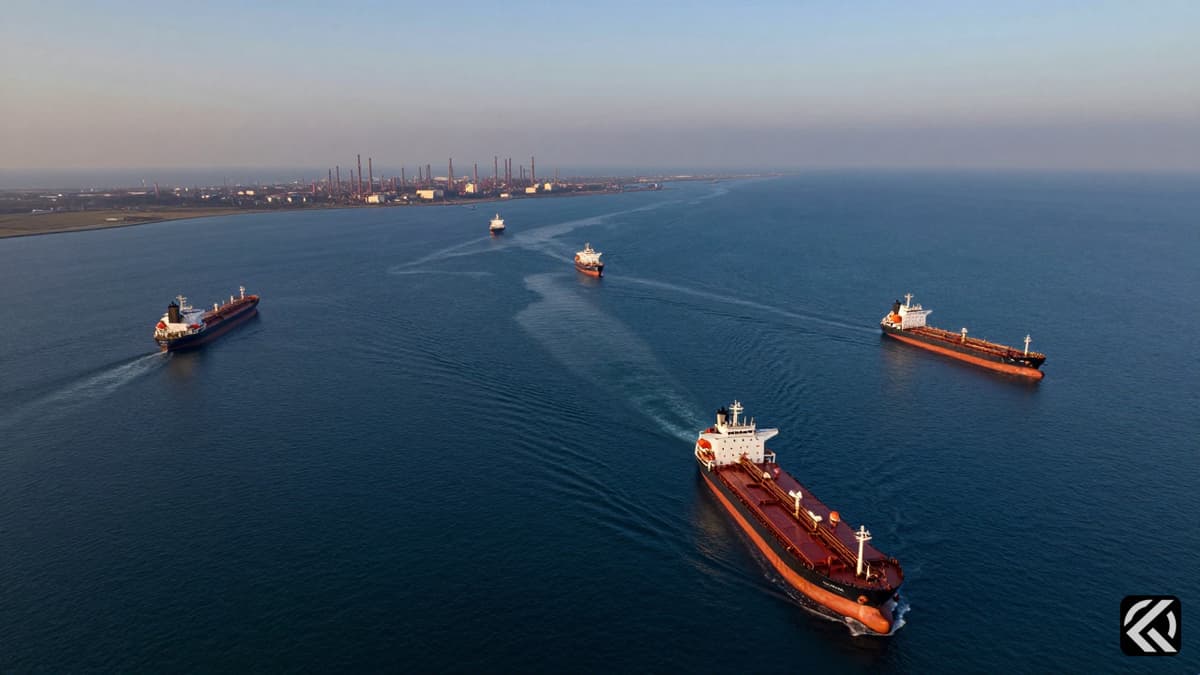
Trump has insisted that Iran is close to agreeing to hand over its enriched uranium stockpile, though there has been no confirmation from Tehran. Key sticking points in negotiations continue to include Iran's nuclear programme, control over the Strait of Hormuz and compensation for wartime damages. The complexity of the situation is further highlighted by the recent warning from a top Iran official regarding the Strait of Hormuz blockade, with statements suggesting that any further aggression could result in severe consequences, including the potential sinking of all US warships. This warning underscores the precarious nature of the US nuclear negotiations, where the stakes involve not just diplomatic terms but regional security and global energy supplies.
The divergence between public posturing and private negotiations remains a defining feature of this crisis. While Trump describes the situation as a manageable "little diversion," the polling data paints a starkly different picture of domestic sentiment. The disconnect between the administration's narrative and the reality of rising fuel prices and low approval ratings suggests a fragile political standing. The willingness of the US to compromise, as noted by the Gulf official, contrasts sharply with Iran's refusal to provide the necessary symbolic concessions to facilitate a withdrawal.
The current deadlock in the Trump Iran conflict leaves the region in a state of flux, with no immediate resolution in sight. While the 10-day ceasefire offers a temporary reprieve in Lebanon, the underlying issues regarding the nuclear program and the choke point of the Strait of Hormuz remain unresolved. The lack of a confirmed agreement on the handover of enriched uranium stockpiles means that the US nuclear negotiations are likely to remain stalled. As backchannel talks continue, the threat of renewed hostilities persists, particularly with Hezbollah signaling a readiness to resume attacks if violence continues.
The conflict's trajectory suggests that without a breakthrough in symbolic concessions, the Trump Iran conflict will continue to escalate. The inability of Tehran to offer a face-saving exit strategy for the US administration implies that the war may prolong beyond the current timeline. Given the high costs indicated by public opinion and the strategic importance of the Strait of Hormuz, the potential for further military engagement or extended diplomatic maneuvering remains significant. If the current impasse persists, the economic and political fallout could deepen, affecting both domestic stability in the US and regional security architecture. The world watches to see if the "final offer" will indeed be the last attempt at negotiation or if it will mark a step toward a prolonged confrontation.
Jun 8, 2026 00:51 UTC
Trump Claims Iran Nuclear Deal Imminent Despite Diplomatic Fractures
Jun 8, 2026 00:47 UTC
Iran Fires Missiles at Israel After Beirut Strike
Jun 7, 2026 22:00 UTC
US, Iran Peace Hops Fade 100 Days Into War
Jun 7, 2026 20:57 UTC
Iran Strikes Israel: IRGC Promises Week of Continuous Offensive
Jun 8, 2026 02:28 UTC
Trump Walks Out of Meet the Press After Rejecting Evidence Demands


