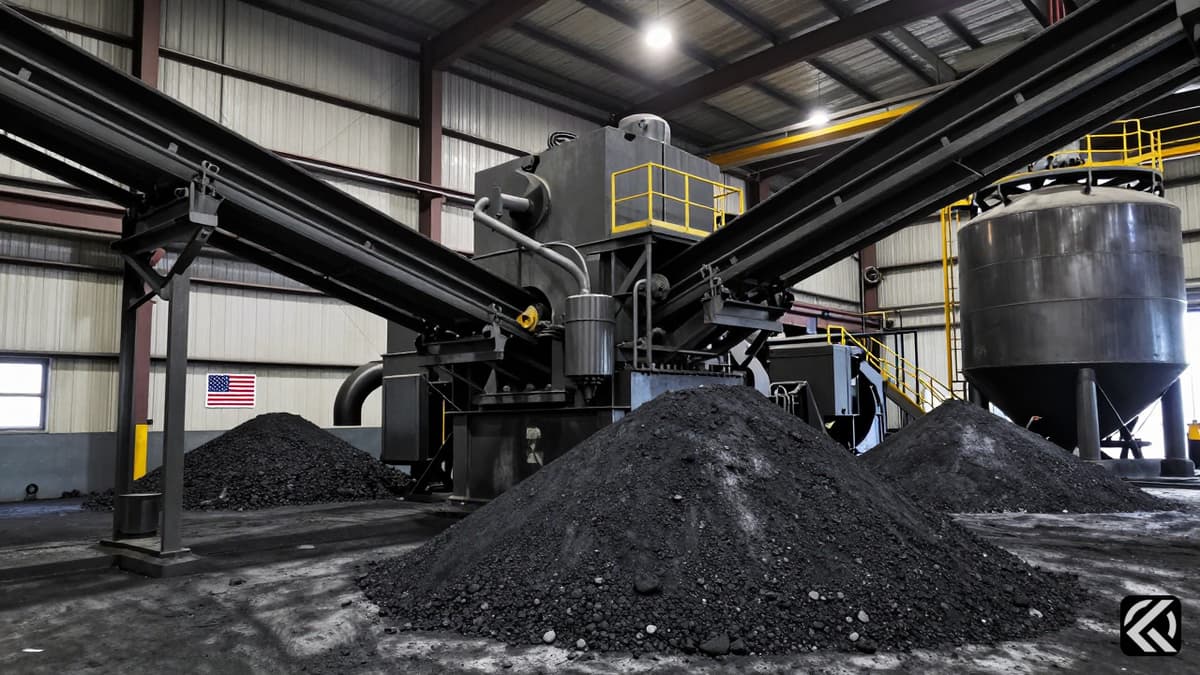
Global oil markets experience extreme volatility as President Trump sends contradictory messages about the ongoing conflict in Iran.
The global energy landscape is currently grappling with unprecedented instability, driven largely by a week of military strikes and subsequent diplomatic ambiguity. Following United States and Israel attacks on Iran just over seven days ago, oil prices have swung violently, reaching heights not witnessed since the aftermath of Russia’s 2022 invasion of Ukraine. This volatility stems directly from President Donald Trump sending mixed signals regarding the future of the conflict, creating a tense environment for both investors and everyday consumers.
On Monday morning, the price for a barrel of Brent crude, the global benchmark, spiked to nearly $120. At this level, gas prices were projected to surpass a national average of $4 per gallon. However, by midday on Monday, the market corrected sharply. Prices dropped precipitously to settle just over $90 per barrel by Tuesday morning. While this represents a significant decrease from the peak, it remains substantially higher than pre-conflict levels.
President Trump played a pivotal role in fueling this volatility through contradictory statements. Over the weekend, he posted on social media that soaring oil prices were a “small price to pay” for battlefield gains in Iran. Conversely, during a news conference late Monday, he struck a different tone regarding the conflict's timeline. He described the military action as an "excursion into something that had to be done" and stated they were "getting very close to finishing that, too." When asked about the duration, Trump confirmed it was "going to be ended soon," though he declined to specify an exact date.
Hours after the conference, his rhetoric shifted again. In a subsequent social media post, Trump warned that Iran would be hit by the United States of America twenty times harder if they attempted to stop oil shipments through the Strait of Hormuz. He threatened to destroy easily targetable assets, stating, "Death, Fire, and Fury will reign upon them," though he expressed hope it would not come to pass.
The economic repercussions of this geopolitical tension are already being felt across the United States. Prices at the pump have risen 47 cents higher than a week ago, averaging $3.48 for a gallon of regular gasoline. However, diesel prices are surging even faster, hitting $4.78 a gallon on Tuesday, up nearly 90 cents from the previous week. Analysts warn that diesel could spike past $5 within weeks and is already trading over $6 in California.
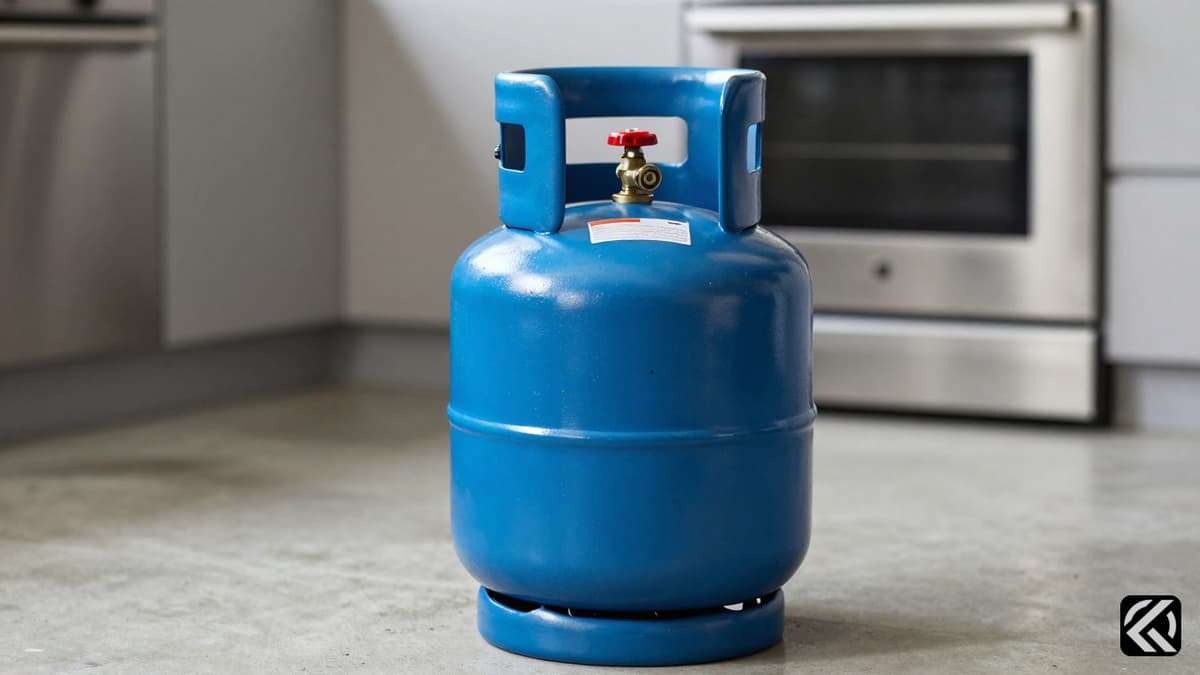
This fuel cost increase creates a ripple effect throughout the supply chain. Diesel powers almost every consumer product, meaning the rocketing costs are certain to make goods more expensive. Major logistics companies are reacting immediately; UPS, the largest shipping company in the U.S., has already added a weekly fuel surcharge. Container shipping companies are following suit, and farmers may soon raise their prices as they rely on diesel for industrial equipment.
In response to the crisis, leaders of the Group of Seven advanced economies met Monday to discuss potential interventions. They decided not to tap their emergency oil reserves immediately but signaled they may soon release crude into the marketplace. French Finance Minister Roland Lescure noted after the meeting in Brussels that they are monitoring the situation closely and are "not there yet."
The U.S. Strategic Petroleum Reserve holds about 415 million barrels of oil. While significant, this amount is enough to cover less than four days of global oil demand or just a few weeks of supply choked at the strait. Federal officials and lawmakers are reluctant to draw down more than a third of that amount, as replenishing it cannot be done quickly. Angie Gildea, global head of oil and gas at KPMG, emphasized that while tools like strategic reserves can provide relief at the margins, they are not structural solutions for restoring access through the Strait of Hormuz.
To mitigate immediate supply issues, the Trump administration is offering insurance to oil tankers in the Persian Gulf. This initiative includes the possibility of American forces providing military escorts to shipping in the region. However, exports will not resume until ship owners, operators, and insurers feel sufficiently safe from threats posed by Iranian warships, aircraft, missiles, drones, speedboats, and naval mines.
While focusing on Iran, the Trump administration has also sought to tamp down oil prices by easing some sanctions on Russia. A waiver was provided allowing India to buy Russian oil for 30 days, and Treasury Secretary Scott Bessent indicated that further sanctions relief is possible. This move suggests a strategy of increasing global supply through alternative channels while military actions continue in the Middle East.
Analysts had previously assumed that because affordability and lowering energy prices were cornerstones of Trump’s political message, he would seek a diplomatic compromise to get oil flowing again. However, recent posts suggest a willingness to endure high costs for security gains. As markets plunged on Monday following his initial tweets, his tone shifted to indicate the war was "very complete, pretty much."
The intersection of military conflict and energy markets has created a precarious situation for the global economy. With the Strait of Hormuz effectively closed for a week, causing vessels to back up, the reliance on strategic reserves remains limited. As President Trump balances threats of destruction with hopes for peace, the financial burden continues to shift toward American motorists and businesses dependent on diesel fuel. Restoring access through the strait remains the only viable structural solution to end this period of economic uncertainty.
Jun 9, 2026 02:39 UTC
US Warplane Strikes Tanker MT Marivex; Crew Evacuated in Gulf of Oman
Join 50,000+ readers getting the global briefing every morning.
No spam. Unsubscribe anytime.
Jun 9, 2026 00:00 UTC
INDIA Bloc Leaders Gather in Delhi to Forge Strategic Unity
Jun 8, 2026 22:55 UTC
Netanyahu Vows Forceful Response to Future Iran Attacks
Jun 8, 2026 20:56 UTC
Netanyahu Halts Iran Fighting, Vows Future Force
Jun 8, 2026 20:54 UTC
Justice Department Moves to Strip Citizenship from 17 Individuals