Tensions flare as Iran intercepts vessels and Hezbollah attacks, while President Trump pushes for a unified proposal to end the war and stabilize global fuel markets.
The Israeli military intercepted a hostile drone before it crossed into Israeli territory, testing a fragile ceasefire in southern Lebanon one day before high-stakes diplomatic talks. Simultaneously, President Donald Trump has granted Iran a limited timeframe to present a unified proposal for a deal, following the seizure of two ships by Iranian forces in the vital Strait of Hormuz. The conflict continues to disrupt global markets, with airlines scrambling to manage soaring fuel costs as the war persists.
In a statement, the Israel Defense Forces (IDF) confirmed they intercepted the "hostile aircraft" as it flew toward Israeli soldiers near the border. The IDF classified the incident as a "blatant violation of the ceasefire," noting the attack occurred just prior to the second round of direct talks between Israeli and Lebanese ambassadors in the United States. Hezbollah responded by claiming the drone was targeting a new artillery encampment in the town of Bayyada, which they say is under Israeli occupation. They accused Israel of repeatedly violating the temporary agreement and stated that permission to fight has been given to those under attack.
This marks the second consecutive day of attacks, following an incident on Tuesday where the IDF reported Hezbollah launching both drones and rockets. The IDF also confirmed firing on individuals approaching their "forward defense line" in southern Lebanon, though the exact number of casualties remains unclear. Meanwhile, US officials are working to finalize a diplomatic solution. President Trump plans to give the Iranians a limited timeframe to unify their position, aiming to force negotiations before the initial deadline expires.
Sources familiar with internal discussions indicate the administration does not wish to indefinitely extend the ceasefire or allow Iran to drag out talks. While Trump hopes pressure from the deadline will bring the Iranians to the table, aides believe there are fractures within the Iranian leadership regarding the consensus needed to finalize a deal. Consequently, the president has opted to give Tehran more time to present a unified proposal, reflecting a desire to settle the conflict diplomatically and avoid resuming kinetic strikes.
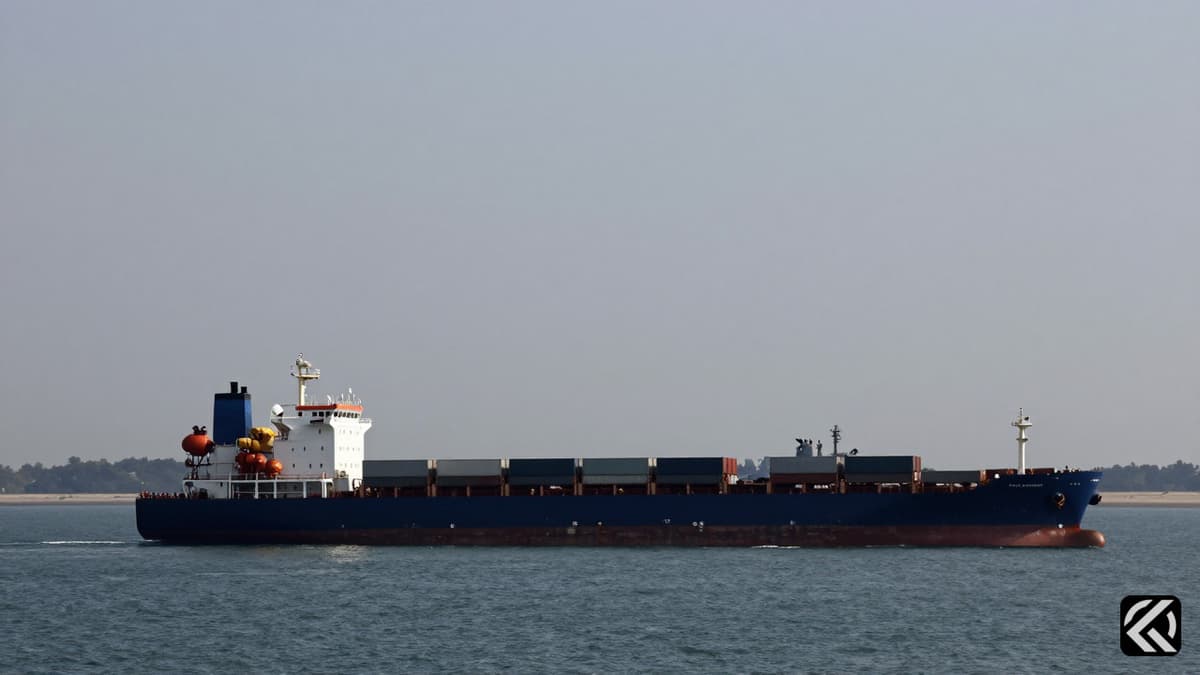
In the midst of these diplomatic maneuvers, the US is maintaining a blockade of the Strait of Hormuz to keep pressure on Tehran. However, officials acknowledge that a prolonged blockade could damage the world economy. Two vessels, the MSC Francesca and the Epaminodas, were reportedly seized by the IRGC on Wednesday. Iran's state-run media accused the ships of operating without authorization and manipulating navigation systems. Tracking data shows these ships are currently stationary off the Iranian coast, though a third vessel, the Euphoria, may have been disabled.
As negotiations for a broader ceasefire and potential peace deal continue, the economic fallout of the war is becoming increasingly severe. The Strait of Hormuz fuel crisis has sent jet fuel prices through the roof, prompting United Airlines CEO Scott Kirby to announce fare increases of 15% to 20% for the summer. Kirby noted that fuel costs have doubled since the start of the war, forcing airlines to recapture these expenses through higher ticket prices despite strong booking demand.
United Airlines reported higher profits last quarter despite the cost increases, though executives warn that eventually, higher fares could drive demand down. Europe faces an even steeper challenge, with Germany's Lufthansa Group canceling 20,000 short-haul flights through October to cope with potential fuel shortages. As Europe imports 70% of its jet fuel supply, which previously came largely from the Middle East, the region may face rationing in the coming weeks. The cancellation of 120 daily flights effective through May aims to save 40,000 metric tons of fuel.
On the diplomatic front, Lebanese negotiators are pushing for an extension of the ceasefire by at least a month to facilitate the end of the conflict with Hezbollah. President Joseph Aoun has called for a complete halt to Israeli aggressions and an Israeli withdrawal from Lebanese territories. He expressed gratitude to President Trump for the opportunity to negotiate, following Trump's prohibition on fresh Israeli strikes.
The war has already claimed at least 2,294 lives in Lebanon, according to health officials. In the south, the Israeli military has occupied a belt of border villages below the Litani River, instructing residents not to return. UN experts have condemned the destruction of homes as a form of collective punishment. As the second round of talks approaches in Washington, the world watches to see if the extended deadline for a unified Iranian proposal and the immediate pressure of the blockade can prevent further escalation while global markets struggle with the consequences of a closed waterway.
Jun 8, 2026 00:51 UTC
Trump Claims Iran Nuclear Deal Imminent Despite Diplomatic Fractures
Jun 8, 2026 00:47 UTC
Iran Fires Missiles at Israel After Beirut Strike
Jun 7, 2026 22:00 UTC
US, Iran Peace Hops Fade 100 Days Into War
Jun 7, 2026 20:57 UTC
Iran Strikes Israel: IRGC Promises Week of Continuous Offensive
Jun 8, 2026 02:28 UTC
Trump Walks Out of Meet the Press After Rejecting Evidence Demands


