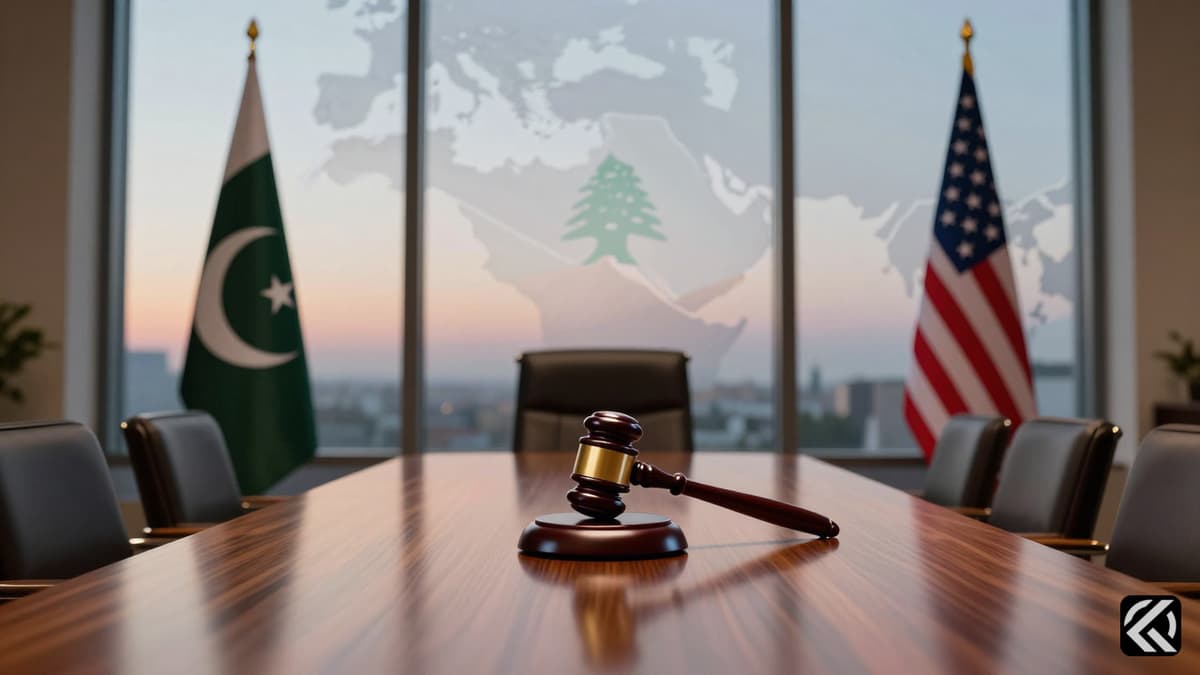
Amidst rising tensions, Pakistan PM Shehbaz Sharif expressed gratitude to President Trump for extending the Iran ceasefire, hoping to facilitate a lasting peace agreement.
Pakistan Prime Minister Pakistan PM Shehbaz Sharif has publicly thanked United States leadership for a critical diplomatic victory regarding the ongoing conflict in the region. On Wednesday, Sharif utilized the social media platform X to express deep appreciation for the decision to extend the truce, framing the move as a vital opportunity for peace. The extension was granted at Pakistan's request, aiming to provide a necessary window for ongoing diplomatic efforts to fully take their course without the immediate pressure of a ceasefire deadline.
The core of this diplomatic gesture involves a direct exchange of gratitude between the Pakistani leadership and the American executive branch. In his post, Sharif spoke on his personal behalf and on behalf of Field Marshal Syed Asim Munir, the Chief of Army Staff. He explicitly thanked the US President for graciously accepting their request to extend the Iran ceasefire extension. This action underscores the significant mediating role Pakistan has assumed, with both the Prime Minister and the Army Chief actively engaging in high-level talks to bring the conflicting parties to the negotiating table.
Sharif articulated a clear path forward, emphasizing that Pakistan would continue its earnest efforts to facilitate dialogue. He stated that with the trust and confidence reposed in the country's diplomatic channels, Pakistan remains dedicated to a negotiated settlement. The Prime Minister expressed optimism regarding the next phase of these high-stakes discussions, which are scheduled to take place in Islamabad. He voiced a sincere hope that both sides will not only continue to observe the current ceasefire but also manage to conclude a comprehensive Peace Deal during the second round of talks.
However, the path to a lasting agreement is fraught with uncertainty. Despite the confirmed extension by the US President, which keeps the fragile truce in place until Iran submits a unified proposal, significant hurdles remain. Iran has not formally confirmed its participation in the upcoming talks, signaling that it will only engage if negotiations promise meaningful outcomes. Furthermore, the United States has maintained its naval blockade of Iranian ports, a move that Tehran has explicitly termed a violation of the ceasefire. This contradiction between the extension and the blockade adds a layer of complexity to the diplomatic landscape.
The human cost of the conflict remains staggering, adding urgency to these diplomatic maneuvers. According to data from the news agency AP, the war has already claimed thousands of lives. More than 3,300 people have been killed in Iran, and over 2,200 casualties have been reported in Lebanon. Casualties have also been sustained in Israel and various Gulf countries since the war began. These figures highlight the heavy toll of the ongoing hostilities and the critical importance of the diplomatic efforts led by Pakistan to de-escalate the situation.
International reaction to the extension has been cautiously positive. United Nations Secretary-General António Guterres described the move as an important step toward de-escalation. He urged all parties involved to build upon this opportunity for dialogue. The extension comes as the previous truce was nearing its deadline, with the US President confirming that the pause in hostilities would remain effective only as long as diplomatic discussions were concluded and Iran submitted its proposal.
The sticking points for a permanent resolution remain significant. The US blockade of Iranian ports and the unresolved issues surrounding Iran's nuclear program continue to challenge the talks. Despite these obstacles, Pakistan's mediating role has been pivotal. Sharif, Munir, and other senior officials have been actively working to bring both sides to the table. The hope is that the extension will create the necessary space for these negotiations to culminate in a permanent end to the conflict, potentially resolving the immediate crisis and paving the way for long-term stability in the region.
The upcoming second round of talks in Islamabad represents a critical juncture for the region, with the potential to finalize a comprehensive Peace Deal. As the diplomatic machinery grinds forward under the umbrella of the extended ceasefire, the pressure is on both Iran and the United States to align their positions. If the negotiations are to succeed in bringing a permanent end to the conflict, the unresolved issues of the nuclear program and the naval blockade must be addressed with tangible commitments. The heavy human cost of the war serves as a stark reminder that without a breakthrough in these upcoming sessions, the cycle of violence is likely to resume, undoing the fragile gains made through the recent diplomatic intervention. The success of Pakistan's mediation will ultimately determine whether the region moves toward a sustainable peace or descends back into prolonged hostilities.
Jun 8, 2026 02:17 UTC
Magnitude 7.8 Quake Shakes Philippines, Urging Immediate Evacuations
Jun 8, 2026 00:51 UTC
Trump Claims Iran Nuclear Deal Imminent Despite Diplomatic Fractures
Jun 8, 2026 00:47 UTC
Iran Fires Missiles at Israel After Beirut Strike
Jun 7, 2026 22:00 UTC
US, Iran Peace Hops Fade 100 Days Into War
Jun 8, 2026 04:15 UTC
Trump Urges Netanyahu to Halt Iran Strike for Peace


