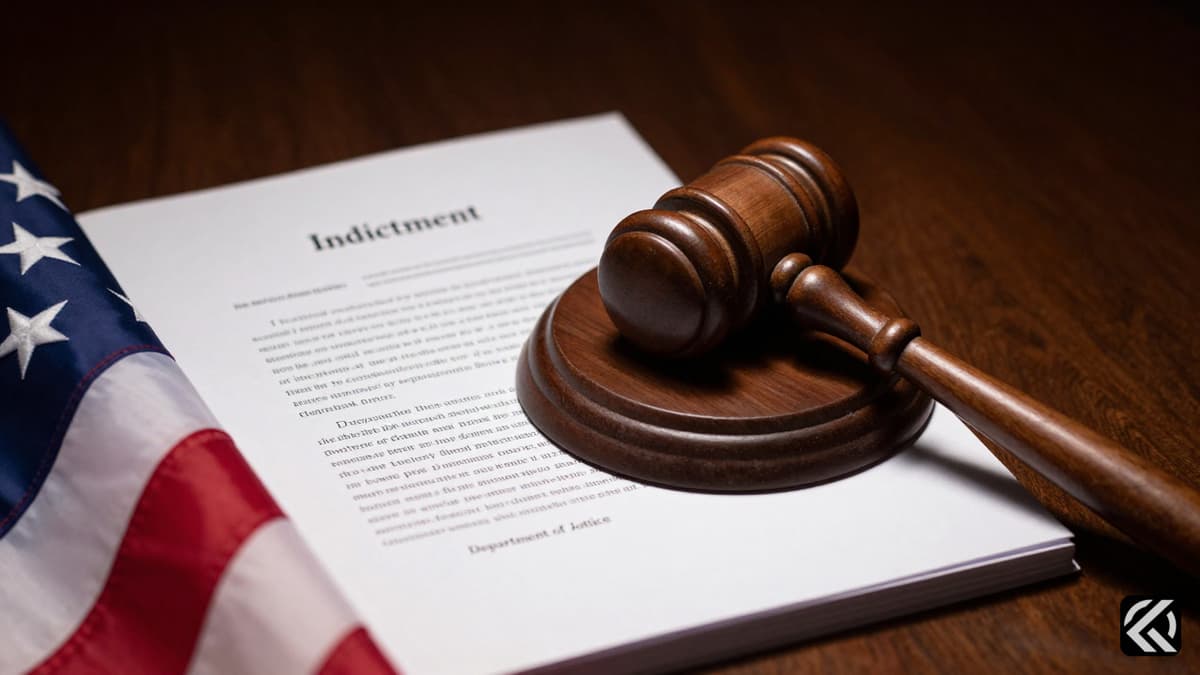
In a landmark legal move, the US government has indicted the Southern Poverty Law Center, alleging the civil rights organization used donor funds to infiltrate and fund far-right groups rather than dismantle them.
In a decisive legal action, the Trump administration has indicted the Southern Poverty Law Center on federal fraud charges, marking a significant escalation in the relationship between the government and the civil rights organization. Acting Attorney General Todd Blanche accused the Alabama-based group of misappropriating millions of dollars from donors to pay informants who infiltrate the Ku Klux Klan and other far-right groups. The Department of Justice contends that the organization defrauded the public by using their contributions to fund the very ideology it claimed to be opposing.
The indictment, brought by the Justice Department in Alabama, details a scheme where money was funneled through bank accounts and loaded onto prepaid cards to be distributed to members of extremist organizations. Prosecutors allege the group never disclosed the details of this informant program to donors, violating nonprofit transparency laws. Blanche stated that the Southern Poverty Law Center was not dismantling these groups but was manufacturing extremism by paying sources to stoke racial hatred.
The allegations cover payments of at least $3 million made between 2014 and 2023 to individuals affiliated with the Ku Klux Klan, the United Klans of America, the National Socialist Party of America, the National Socialist Movement, and the Aryan Nations-affiliated Sadistic Souls Motorcycle Club. The prosecution highlights that one informant was paid over $1 million during this period while affiliated with the neo-Nazi National Alliance, while another served as the imperial wizard of the United Klans of America.
SPLC CEO Bryan Fair responded to the announcement by stating the organization will vigorously defend itself, its staff, and its work. The civil rights group maintained that the program was essential for monitoring threats of violence, often sharing information with local and federal law enforcement to prevent harm. Fair noted that the secrecy was necessary to protect the safety of informants, citing the legacy of violence during the Civil Rights Movement as the context for their operations.
Blanche emphasized that the money was distributed through two separate bank accounts before being placed on prepaid cards. He stressed that nonprofits are legally required to be transparent with donors about how their money is spent and that the group's actions violated the honesty required by their mission statement. The indictment identifies at least nine unnamed informants, known within the SPLC as "field sources" or "the Fs," who were part of a secret program prosecutors say began in the 1980s.
The legal battle comes against a backdrop of increasing political friction. The nonprofit has long been a target for Republicans, who view it as overly leftist and partisan. The investigation follows the assassination of conservative activist Charlie Kirk last year, after which the SPLC included his group, Turning Point USA, in its "The Year in Hate and Extremism 2024" report. FBI Director Kash Patel, a Trump appointee, subsequently ended his agency's relationship with the center, calling it a "partisan smear machine" and accusing it of defaming mainstream Americans with its hate map.
Republicans in the House of Representatives have already held a hearing accusing the group of coordinating with the Biden administration to target conservative Americans. The current case adds weight to concerns that the Trump administration is utilizing the Justice Department to pursue political opponents, raising questions about whether the law enforcement agency is being used as a weapon against its critics.
This indictment represents a critical turning point for the Southern Poverty Law Center, which faces charges including wire fraud, bank fraud, and conspiracy to commit money laundering. As the group prepares to fight these claims in court, the broader implications for civil rights monitoring and government oversight of non-profits are significant. The Trump administration's actions suggest a continued trend of aggressive legal challenges against groups it views as politically opposed, potentially reshaping the landscape of how federal law enforcement interacts with watchdog organizations. If the fraud charges are sustained, it could limit the operational capacity of the center and similar groups to gather intelligence on domestic extremism. The outcome will likely define the boundaries of nonprofit transparency and the extent to which government entities can target organizations based on their political reporting and classification of far-right activities.
Alabama Court Hears Fraud Allegations Against Civil Rights Group [60-100 word closing paragraph: summarize key findings + predictive analysis of future impacts based on the source material.]
This case underscores the volatile intersection of civil rights advocacy and federal law enforcement. The DOJ's specific allegations of funding the enemy suggest a direct challenge to the group's core methodologies. Given the history of investigations into Trump foes, this lawsuit may set a precedent for future political use of the Justice Department. If the court upholds the charges, it could severely restrict the ability of similar non-profits to use paid informants in the future, fundamentally altering how extremist threats are tracked in the United States. The upcoming legal proceedings will be closely watched by both supporters and critics of the SPLC as the battle over the definition of extremism continues.
In a decisive legal action, the Trump administration has indicted the Southern Poverty Law Center on federal fraud charges, marking a significant escalation in the relationship between the government and the civil rights organization. Acting Attorney General Todd Blanche accused the Alabama-based group of misappropriating millions of dollars from donors to pay informants who infiltrate the Ku Klux Klan and other far-right groups. The Department of Justice contends that the organization defrauded the public by using their contributions to fund the very ideology it claimed to be opposing.
The indictment, brought by the Justice Department in Alabama, details a scheme where money was funneled through bank accounts and loaded onto prepaid cards to be distributed to members of extremist organizations. Prosecutors allege the group never disclosed the details of this informant program to donors, violating nonprofit transparency laws. Blanche stated that the Southern Poverty Law Center was not dismantling these groups but was manufacturing extremism by paying sources to stoke racial hatred.
The allegations cover payments of at least $3 million made between 2014 and 2023 to individuals affiliated with the Ku Klux Klan, the United Klans of America, the National Socialist Party of America, the National Socialist Movement, and the Aryan Nations-affiliated Sadistic Souls Motorcycle Club. The prosecution highlights that one informant was paid over $1 million during this period while affiliated with the neo-Nazi National Alliance, while another served as the imperial wizard of the United Klans of America.
SPLC CEO Bryan Fair responded to the announcement by stating the organization will vigorously defend itself, its staff, and its work. The civil rights group maintained that the program was essential for monitoring threats of violence, often sharing information with local and federal law enforcement to prevent harm. Fair noted that the secrecy was necessary to protect the safety of informants, citing the legacy of violence during the Civil Rights Movement as the context for their operations.
Blanche emphasized that the money was distributed through two separate bank accounts before being placed on prepaid cards. He stressed that nonprofits are legally required to be transparent with donors about how their money is spent and that the group's actions violated the honesty required by their mission statement. The indictment identifies at least nine unnamed informants, known within the SPLC as "field sources" or "the Fs," who were part of a secret program prosecutors say began in the 1980s.
The legal battle comes against a backdrop of increasing political friction. The nonprofit has long been a target for Republicans, who view it as overly leftist and partisan. The investigation follows the assassination of conservative activist Charlie Kirk last year, after which the SPLC included his group, Turning Point USA, in its "The Year in Hate and Extremism 2024" report. FBI Director Kash Patel, a Trump appointee, subsequently ended his agency's relationship with the center, calling it a "partisan smear machine" and accusing it of defaming mainstream Americans with its hate map.
Republicans in the House of Representatives have already held a hearing accusing the group of coordinating with the Biden administration to target conservative Americans. The current case adds weight to concerns that the Trump administration is utilizing the Justice Department to pursue political opponents, raising questions about whether the law enforcement agency is being used as a weapon against its critics.
This indictment represents a critical turning point for the Southern Poverty Law Center, which faces charges including wire fraud, bank fraud, and conspiracy to commit money laundering. As the group prepares to fight these claims in court, the broader implications for civil rights monitoring and government oversight of non-profits are significant. The Trump administration's actions suggest a continued trend of aggressive legal challenges against groups it views as politically opposed, potentially reshaping the landscape of how federal law enforcement interacts with watchdog organizations. If the fraud charges are sustained, it could limit the operational capacity of the center and similar groups to gather intelligence on domestic extremism. The outcome will likely define the boundaries of nonprofit transparency and the extent to which government entities can target organizations based on their political reporting and classification of far-right activities.
This case underscores the volatile intersection of civil rights advocacy and federal law enforcement. The DOJ's specific allegations of funding the enemy suggest a direct challenge to the group's core methodologies. Given the history of investigations into Trump foes, this lawsuit may set a precedent for future political use of the Justice Department. If the court upholds the charges, it could severely restrict the ability of similar non-profits to use paid informants in the future, fundamentally altering how extremist threats are tracked in the United States. The upcoming legal proceedings will be closely watched by both supporters and critics of the SPLC as the battle over the definition of extremism continues.
In a decisive legal action, the Trump administration has indicted the Southern Poverty Law Center on federal fraud charges, marking a significant escalation in the relationship between the government and the civil rights organization. Acting Attorney General Todd Blanche accused the Alabama-based group of misappropriating millions of dollars from donors to pay informants who infiltrate the Ku Klux Klan and other far-right groups. The Department of Justice contends that the organization defrauded the public by using their contributions to fund the very ideology it claimed to be opposing.
The indictment, brought by the Justice Department in Alabama, details a scheme where money was funneled through bank accounts and loaded onto prepaid cards to be distributed to members of extremist organizations. Prosecutors allege the group never disclosed the details of this informant program to donors, violating nonprofit transparency laws. Blanche stated that the Southern Poverty Law Center was not dismantling these groups but was manufacturing extremism by paying sources to stoke racial hatred.
The allegations cover payments of at least $3 million made between 2014 and 2023 to individuals affiliated with the Ku Klux Klan, the United Klans of America, the National Socialist Party of America, the National Socialist Movement, and the Aryan Nations-affiliated Sadistic Souls Motorcycle Club. The prosecution highlights that one informant was paid over $1 million during this period while affiliated with the neo-Nazi National Alliance, while another served as the imperial wizard of the United Klans of America.
SPLC CEO Bryan Fair responded to the announcement by stating the organization will vigorously defend itself, its staff, and its work. The civil rights group maintained that the program was essential for monitoring threats of violence, often sharing information with local and federal law enforcement to prevent harm. Fair noted that the secrecy was necessary to protect the safety of informants, citing the legacy of violence during the Civil Rights Movement as the context for their operations.
Blanche emphasized that the money was distributed through two separate bank accounts before being placed on prepaid cards. He stressed that nonprofits are legally required to be transparent with donors about how their money is spent and that the group's actions violated the honesty required by their mission statement. The indictment identifies at least nine unnamed informants, known within the SPLC as "field sources" or "the Fs," who were part of a secret program prosecutors say began in the 1980s.
The legal battle comes against a backdrop of increasing political friction. The nonprofit has long been a target for Republicans, who view it as overly leftist and partisan. The investigation follows the assassination of conservative activist Charlie Kirk last year, after which the SPLC included his group, Turning Point USA, in its "The Year in Hate and Extremism 2024" report. FBI Director Kash Patel, a Trump appointee, subsequently ended his agency's relationship with the center, calling it a "partisan smear machine" and accusing it of defaming mainstream Americans with its hate map.
Republicans in the House of Representatives have already held a hearing accusing the group of coordinating with the Biden administration to target conservative Americans. The current case adds weight to concerns that the Trump administration is utilizing the Justice Department to pursue political opponents, raising questions about whether the law enforcement agency is being used as a weapon against its critics.
This indictment represents a critical turning point for the Southern Poverty Law Center, which faces charges including wire fraud, bank fraud, and conspiracy to commit money laundering. As the group prepares to fight these claims in court, the broader implications for civil rights monitoring and government oversight of non-profits are significant. The Trump administration's actions suggest a continued trend of aggressive legal challenges against groups it views as politically opposed, potentially reshaping the landscape of how federal law enforcement interacts with watchdog organizations. If the fraud charges are sustained, it could limit the operational capacity of the center and similar groups to gather intelligence on domestic extremism. The outcome will likely define the boundaries of nonprofit transparency and the extent to which government entities can target organizations based on their political reporting and classification of far-right activities.
This case underscores the volatile intersection of civil rights advocacy and federal law enforcement. The DOJ's specific allegations of funding the enemy suggest a direct challenge to the group's core methodologies. Given the history of investigations into Trump foes, this lawsuit may set a precedent for future political use of the Justice Department. If the court upholds the charges, it could severely restrict the ability of similar non-profits to use paid informants in the future, fundamentally altering how extremist threats are tracked in the United States. The upcoming legal proceedings will be closely watched by both supporters and critics of the SPLC as the battle over the definition of extremism continues.
Jun 8, 2026 02:17 UTC
Magnitude 7.8 Quake Shakes Philippines, Urging Immediate Evacuations
Join 50,000+ readers getting the global briefing every morning.
No spam. Unsubscribe anytime.
Jun 8, 2026 02:17 UTC
Magnitude 7.8 Quake Shakes Philippines, Urging Immediate Evacuations
Jun 8, 2026 00:51 UTC
Trump Claims Iran Nuclear Deal Imminent Despite Diplomatic Fractures
Jun 8, 2026 00:47 UTC
Iran Fires Missiles at Israel After Beirut Strike
Jun 7, 2026 22:38 UTC
Congress Party Claims Unity for INDIA Bloc Delhi Meeting


