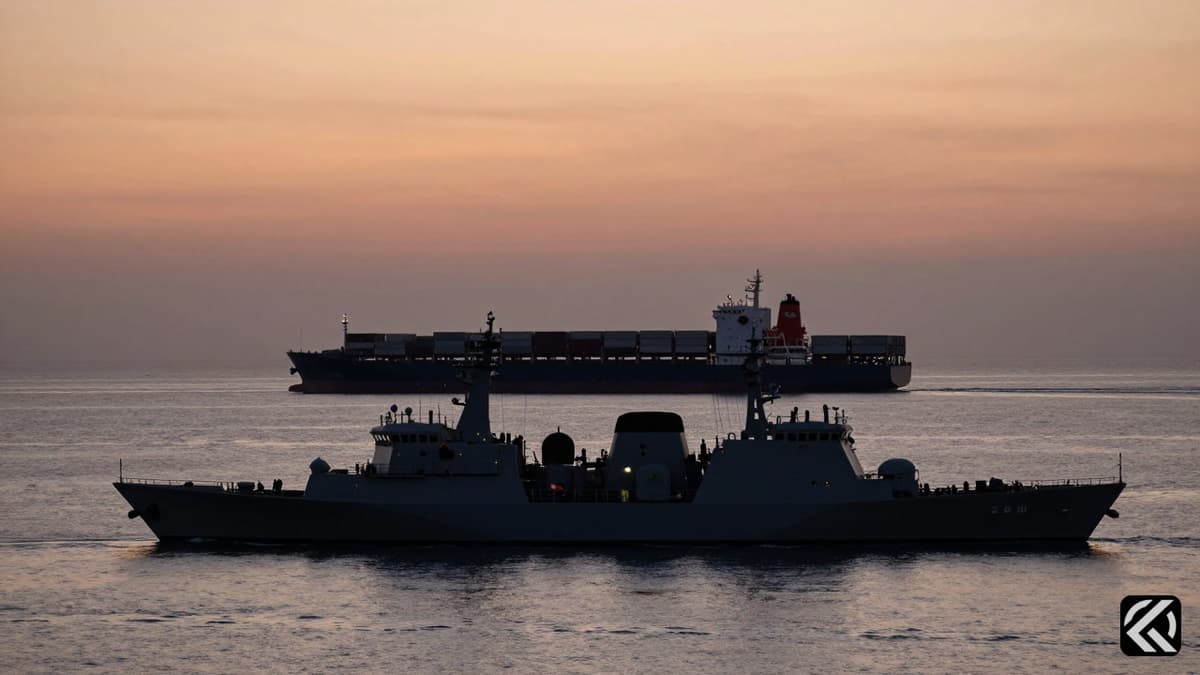
Tensions spike in the Middle East as Iranian forces seize ships, yet diplomatic efforts via Pakistan keep a fragile US truce alive for now.
The Islamic Revolutionary Guard Corps (IRGC) announced on Wednesday that it has seized two vessels in the Strait of Hormuz, transferring them to Iranian waters. This aggressive action occurs simultaneously as a fragile Iran-US ceasefire extension remains in place, following a last-minute decision by President Donald Trump to delay an attack on Tehran.
The IRGC stated the vessels were allegedly operating without proper authorization, violating regulations, and manipulating navigation systems while attempting to exit the strait covertly. Iranian media reported that a third ship, owned by Greece, was targeted and is now disabled off the coast. While the UK Maritime Traffic Organization (UKMTO) confirmed that two container ships had been fired upon, independent verification of the seizure claims remains absent.
Despite the naval escalation, diplomatic channels remain active. The Pakistani Prime Minister, Shehbaz Sharif, met with Iranian Ambassador Reza Amiri Moghadam to discuss regional peace efforts. Islamabad has positioned itself as a key mediator between the US and Iran, ferrying messages and hosting talks to encourage dialogue. President Trump previously agreed to delay military action upon the request of Field Marshal Asim Munir and Prime Minister Sharif, extending the truce until Tehran submits a "unified proposal."
However, the path to peace remains uncertain. A second round of talks scheduled for this week has stalled. Iranian officials have indicated that Tehran will not participate in negotiations until the US naval blockade of its ports is lifted. Iranian Foreign Ministry spokesperson Esmail Baghaei stated that diplomacy is a tool for national interest and that Tehran will only use it when "logical grounds" exist. Vice President JD Vance's expected trip to Islamabad to lead these talks was cancelled for the day, highlighting the instability of the current diplomatic situation.
Market reactions to the news were immediate and severe. Oil prices spiked following reports of the Iranian attacks. Brent crude futures rose by approximately 0.8% to reach $99.2 per barrel, briefly touching $100. US benchmark WTI also climbed to $90.3 per barrel. Analysts at Jefferies noted that while the ceasefire extension initially improved trader sentiment, the ongoing US blockade and regional violence suggest oil prices will likely settle between $75 and $80 over the next few months rather than returning to pre-war levels.
The economic ripple effects are already being felt globally. In the UK, inflation rose to 3.3% in March, driven largely by surging fuel prices following the regional conflict. The Office for National Statistics reported that fuel prices saw their largest increase in over three years, rising by 4.9%. Economists warn that this energy shock is just the first wave, with potential impacts on fertilizers, plastics, and metals yet to materialize. Retailers report a concurrent rise in fuel theft as motorists struggle with the cost of driving.
Geopolitical tensions have also drawn China into the fray. President Xi Jinping met with Mozambique's President Daniel Chapo in Beijing, acknowledging the severe economic turmoil African nations face due to the war and the closure of the Strait of Hormuz. China has pledged to assist African countries in responding to these shocks. Meanwhile, diplomatic friction continues in other areas, with Taiwan's President Lai Ching-te canceling a trip to Eswatini due to pressure from China regarding overflight clearances.
The immediate future of the conflict hinges on whether Tehran will submit the required unified proposal and whether the US will lift its naval blockade. Iranian officials have made it clear that they will not negotiate until the blockade ends, viewing it as a primary obstacle to dialogue. Analysts suggest that without a resolution to the blockade, peace talks are unlikely to progress significantly in the near term. Consequently, the Strait of Hormuz is expected to remain a flashpoint, likely keeping oil prices volatile and global markets on edge for the foreseeable future. The cancellation of high-level talks and the continued claims of seizures indicate a period of heightened volatility where military posturing and diplomatic stalemate coexist.
Jun 8, 2026 00:51 UTC
Trump Claims Iran Nuclear Deal Imminent Despite Diplomatic Fractures
Jun 8, 2026 00:47 UTC
Iran Fires Missiles at Israel After Beirut Strike
Jun 7, 2026 22:00 UTC
US, Iran Peace Hops Fade 100 Days Into War
Jun 7, 2026 20:57 UTC
Iran Strikes Israel: IRGC Promises Week of Continuous Offensive
Jun 8, 2026 02:28 UTC
Trump Walks Out of Meet the Press After Rejecting Evidence Demands


