Tensions escalate in West Asia as Trump extends Iran ceasefire amid Pakistan's diplomatic efforts. India warns of Strait of Hormuz disruptions impacting global security and energy stability.
The geopolitical landscape of West Asia shifted dramatically on Wednesday, April 22, 2026, as US President Donald Trump announced an indefinite extension of the ceasefire between Iran and the United States. This decision came just one day before the truce was scheduled to expire, aiming to de-escalate tensions amidst a complex backdrop of diplomatic stalemates and active military engagements. Simultaneously, India's Defence Minister Rajnath Singh highlighted the critical nature of the region's stability, while Hezbollah claimed responsibility for new hostilities in Lebanon.
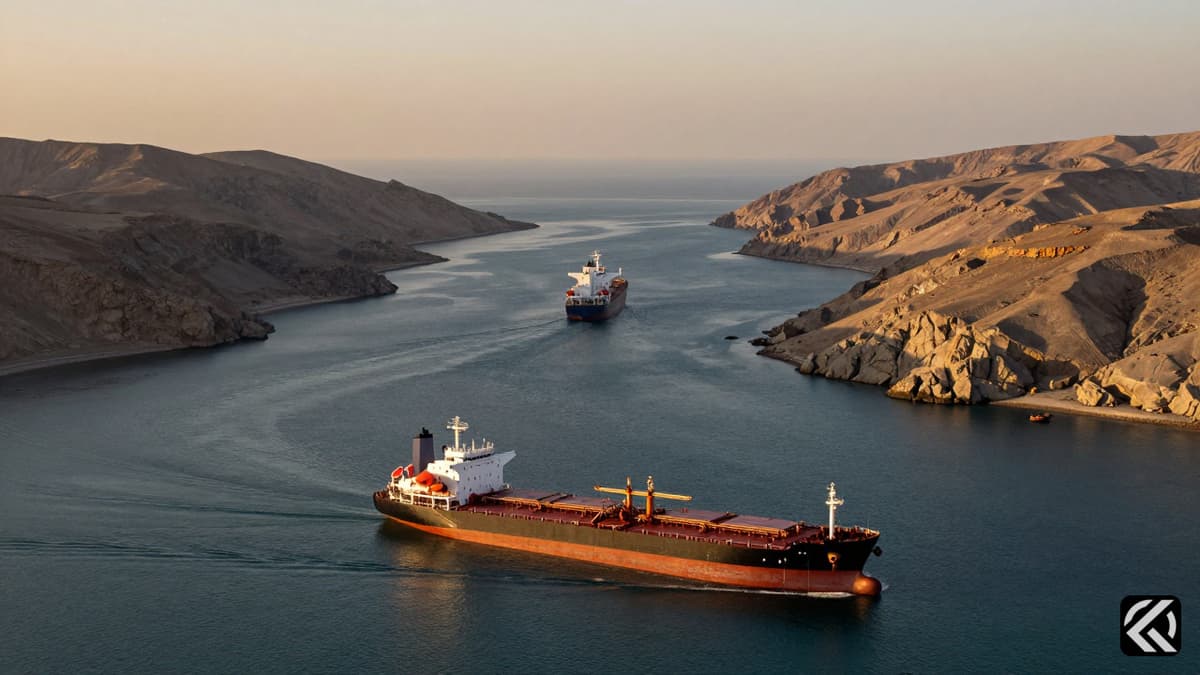
In a statement addressing the German Parliamentary Standing Committee on Defence and Security, Defence Minister Rajnath Singh emphasized that disruptions in the Strait of Hormuz are not distant hypothetical scenarios but stark realities with direct implications for India's security and economic stability. Singh noted that as a developing country reliant on West Asia for a significant share of its energy requirements, the region's volatility poses immediate risks. He further asserted that the world currently faces new security threats, where technological transformations have rendered the situation highly complex and intricately connected. This commentary was delivered on the first day of his three-day visit to Germany, underscoring the global concern regarding energy supply lines.
Meanwhile, the situation on the ground remained volatile. Iranian hard-liners rallied late on Tuesday night as potential talks in Islamabad with the United States appeared to break down. Footage aired by Iranian state television captured a tense scene in Tehran, where members of the country's paramilitary Revolutionary Guard were seen bringing a ballistic missile, resembling a Qadr model, onto a mobile launcher for a public event. The video showed men carrying Kalashnikov-style assault rifles riding atop the missile. Such Qadr missiles are capable of releasing cluster munitions, which Iran has utilized extensively in its previous attacks on Israel. This display signaled a hardening stance as diplomatic avenues seemingly faltered.
Despite the military posturing and the breakdown of immediate talks, a significant shift occurred in Washington. President Trump announced that the United States was indefinitely extending the Iran ceasefire, a move designed to ease fears that the fighting, which had already shaken energy markets and the global economy, would resume immediately. This announcement came in response to a request from Pakistan, which had urged an extension due to uncertainty surrounding the second round of talks. Pakistan had originally planned to host these discussions, but the White House subsequently placed Vice President J.D. Vance's planned trip to Islamabad on hold after Iran rebuffed efforts to restart negotiations.
In a post on X following the US announcement, Pakistan Prime Minister Shehbaz Sharif expressed gratitude to President Trump. Sharif stated, "On my personal behalf and on behalf of Field Marshal Syed Asim Munir, I sincerely thank President Trump for graciously accepting our request to extend the ceasefire to allow ongoing diplomatic efforts to take their course." The Prime Minister emphasized that with the "trust and confidence reposed in (it), Pakistan shall continue its earnest efforts for a negotiated settlement of the conflict." Sharif expressed hope that both sides would be able to "conclude a comprehensive peace deal" to end the conflict.
The diplomatic maneuvering occurred against a backdrop of renewed violence in the north. Hezbollah announced on Tuesday, April 21, 2026, that it launched an attack on northern Israel in retaliation for what it described as Israeli violations of the 10-day ceasefire. This marked the first such claim since the truce began. In a statement, Hezbollah declared that its fighters launched rockets and attack drones at a site in northern Israel, which it identified as the source of artillery shelling towards a south Lebanese town. The group justified the move as being "in defence of Lebanon and its people and in response to the blatant" Israeli ceasefire violations, including attacks on civilians and the destruction of homes and villages.
Market reactions reflected the fragile balance between the diplomatic extension and the ongoing threats. Oil prices turned lower on Wednesday after rising about $1 at the start of trade in Asia. Investors were assessing the outlook for U.S.-Iran peace talks following the US extension. Brent crude futures were down 21 cents to $98.27 a barrel at 12:39 a.m. GMT, while West Texas Intermediate futures fell 28 cents to $89.39. Both benchmark contracts had risen about 3% the previous day before the news of the extension influenced the market trajectory.
Iran has not yet responded to Mr. Trump's announcement of the ceasefire extension. Both countries have warned that, without a deal, they were prepared to resume fighting. The second round of talks, which were expected to be held later in the week, remains uncertain as the truce is now extended indefinitely.
The indefinite extension of the Trump extends Iran ceasefire decision, combined with Pakistan's diplomatic push, signals a temporary pause in a volatile regional conflict, yet the underlying tensions remain potent. The explicit warnings from India regarding the Strait of Hormuz highlight that any resumption of hostilities will have immediate, tangible consequences for global energy security and economic stability. As Hezbollah continues to cite ceasefire violations as a pretext for attacks, the stability of the truce is increasingly fragile. If the diplomatic efforts in Islamabad do not yield a comprehensive peace deal, the cycle of military escalation and economic volatility is likely to resume, potentially disrupting global shipping lanes and energy prices in the coming months.
Jun 8, 2026 02:17 UTC
Magnitude 7.8 Quake Shakes Philippines, Urging Immediate Evacuations
Jun 8, 2026 00:51 UTC
Trump Claims Iran Nuclear Deal Imminent Despite Diplomatic Fractures
Jun 8, 2026 00:47 UTC
Iran Fires Missiles at Israel After Beirut Strike
Jun 7, 2026 22:00 UTC
US, Iran Peace Hops Fade 100 Days Into War
Jun 8, 2026 04:15 UTC
Trump Urges Netanyahu to Halt Iran Strike for Peace


