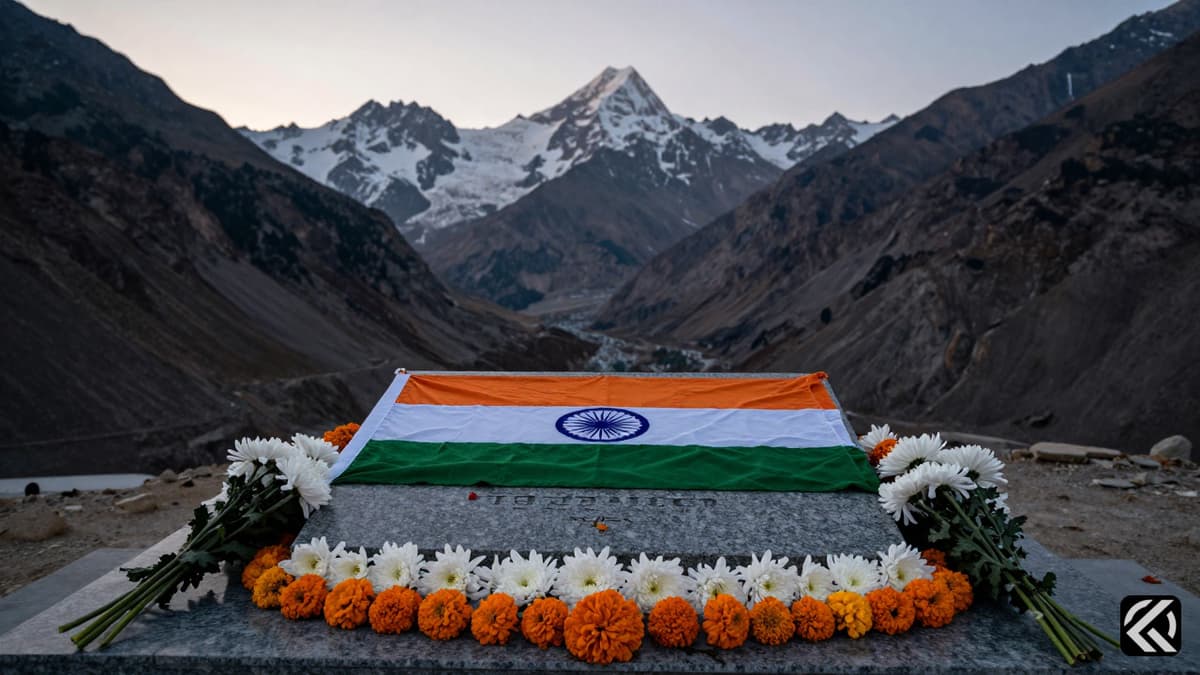
On the tragic anniversary of the Pahalgam assault, Prime Minister Modi delivers a stern warning, declaring India's resolve against terror will never waver.
On Wednesday, April 22, 2026, marking the first anniversary of a devastating incident, Prime Minister Narendra Modi issued a definitive declaration regarding national security. Speaking on the first anniversary of the Pahalgam terror attack, the Prime Minister asserted that India will never bow to any form of terror. He emphasized that the heinous designs of terrorists will never succeed in their attempts to instill fear or disrupt the nation. This statement serves as a stark reminder of the resolve shown by the country in the face of violent extremism.
The event being commemorated was a brutal assault carried out by the Pakistan-based terror group Lashkar-e-Taiba. Last year on this same day, the group executed an attack at Pahalgam in Jammu and Kashmir. The consequences of this violence were catastrophic, resulting in the tragic loss of 26 innocent lives. The victims were described as mostly tourists from across India, highlighting the indiscriminate nature of the targeted location and the impact on civilians from various regions of the country.
The memory of this tragedy has been a focal point of national discourse, yet the government's stance remains unyielding. The Prime Minister's words on this specific Wednesday, April 22, 2026, reinforce the long-standing policy of zero tolerance against terrorism. The assertion that India will not bow is a direct response to the fear tactics employed by terrorist organizations. By stating that the designs of terrorists will never succeed, the leadership is attempting to restore public confidence and signal that the security apparatus remains vigilant.
The attack at Pahalgam remains a defining moment in the recent history of Jammu and Kashmir. The targeting of tourists underscores the vulnerability of the travel sector and the safety of citizens in the region. Despite the passage of one year, the impact of the loss of 26 lives is still felt. The specific identification of Lashkar-e-Taiba as the perpetrators links this event to a broader pattern of cross-border terrorism that India continues to confront. The Prime Minister's address on this anniversary does not just look backward; it projects a future where the country remains impervious to such threats.
The narrative of the Pahalgam assault is one of tragedy turned into a rallying cry for national unity. The Prime Minister's message is clear: the heinous designs of terrorists will never succeed. This sentiment is crucial as the nation navigates the complexities of maintaining peace in sensitive areas like Jammu and Kashmir. The fact that the attack occurred on a specific anniversary date adds a layer of significance to the day's proceedings. It is a time for remembrance, but also for reaffirming the commitment to security.
The response from the highest office in the land demonstrates that the government views this as a pivotal issue. The repetition of the vow that India will never bow is a strategic communication tactic aimed at both domestic and international audiences. It signals that the country's spirit has not been broken by the loss of 26 innocent people. The identification of the specific group responsible, Lashkar-e-Taiba, keeps the focus on the external threats that necessitate a unified national defense.
The Prime Minister's address on the anniversary of the Pahalgam terror attack solidifies the government's stance against terrorism, indicating that future policies will likely emphasize unyielding vigilance. As the nation reflects on the loss of 26 innocent tourists, the explicit mention of Lashkar-e-Taiba suggests a continued focus on dismantling Pakistan-based networks. The assurance that India will never bow to terror implies a long-term strategy of resilience, where the security apparatus remains robust against heinous designs. This approach aims to deter future attacks by projecting an image of an invulnerable nation, ensuring that the memory of the victims serves as a catalyst for stronger security measures rather than fear. The predictive outcome is a sustained commitment to counter-terrorism, reinforcing national unity in the face of external threats.
Jun 8, 2026 00:51 UTC
Trump Claims Iran Nuclear Deal Imminent Despite Diplomatic Fractures
Jun 8, 2026 00:47 UTC
Iran Fires Missiles at Israel After Beirut Strike
Jun 7, 2026 22:00 UTC
US, Iran Peace Hops Fade 100 Days Into War
Jun 7, 2026 20:57 UTC
Iran Strikes Israel: IRGC Promises Week of Continuous Offensive
Jun 8, 2026 02:28 UTC
Trump Walks Out of Meet the Press After Rejecting Evidence Demands


