
Section
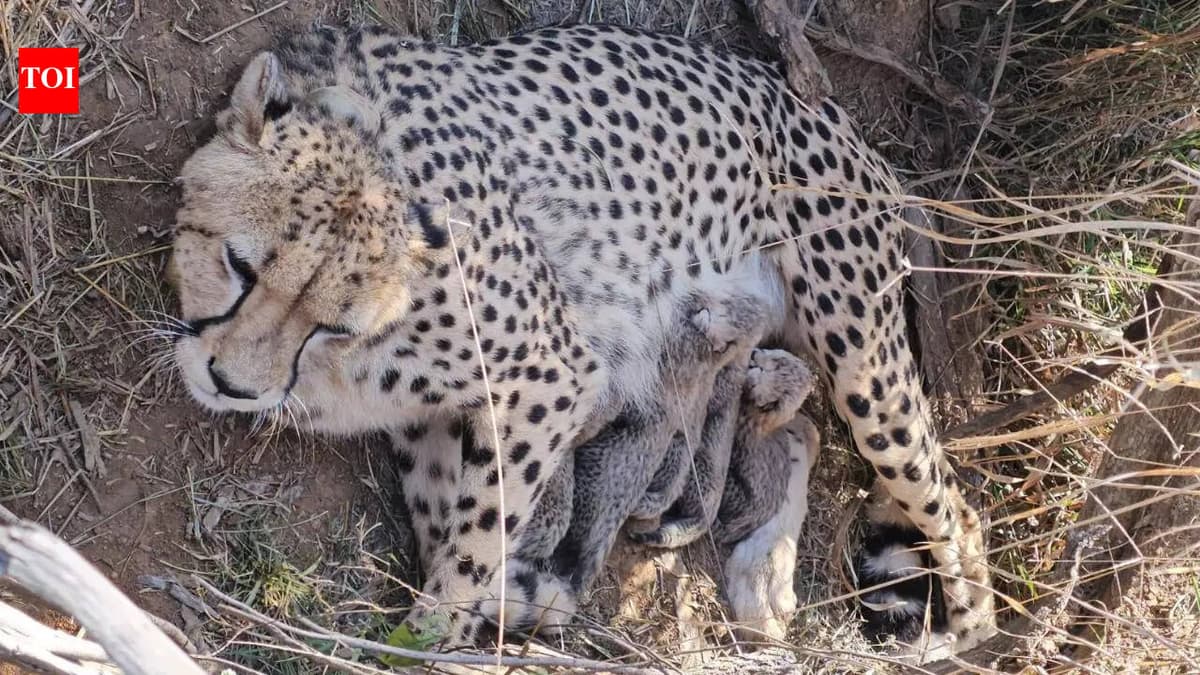
A new generation of cheetahs has arrived, marking a critical step in restoring the species to Indian grasslands after a long absence.
In a landmark development for wildlife conservation within the nation, the Kuno National Park has recorded a significant increase in its cheetah population following the arrival of five new cubs. Born on March 9, 2026, these offspring were delivered by Jwala, a female cheetah who was originally translocated from Namibia in 2022. This event marks a pivotal moment for India’s Project Cheetah, as the national population has now crossed the half-century mark, standing at 53 individuals. The birth represents the tenth successful litter recorded on Indian soil since the translocation programme was initiated, signaling a growing stability in the reintroduction effort.
The current figure of 53 cheetahs includes both the adult animals originally brought from Africa and the younger generation born within the protected habitat. This numerical growth is particularly notable because it signifies that the project has moved past its initial stabilization phase. Officials have described this development as a major boost to the conservation initiative, which seeks to re-establish a viable population of the world’s fastest land animal in India. The species was declared extinct in the country back in 1952, making the current resurgence a restoration of a once-lost ecological chapter.
The increase is not merely about numbers; it reflects the biological success of the animals within their new environment. With the addition of Jwala’s latest litter, the total count has risen from the previous tally to include these five new lives. This steady accumulation of births over the past two years suggests that the population dynamics are shifting towards long-term viability rather than just survival of the initial translocated stock.
Central to this success story is Jwala, who has emerged as one of the most successful mothers in the programme. This birth marks her third litter, demonstrating consistent reproductive capability within the Indian context. Her earlier litters have already contributed significantly to the growing population at Kuno, establishing her as a key asset to the project's continuity.
The number of Indian-born cheetah cubs has now risen to 33, a figure that highlights the success of breeding on native soil. Jwala’s ability to produce healthy offspring in this environment serves as a strong indicator that the animals are adapting well to the local conditions. Her performance stands in contrast to the challenges faced in the early years of the project, where cub mortality was a known issue requiring adaptive management strategies.
The survival of these new cubs is attributed to the rigorous oversight provided by ground teams. Forest officials confirmed that the births occurred inside Kuno’s protected habitat under close monitoring by veterinary teams and field staff. Veterinarians, wildlife biologists, and forest guards have been working round-the-clock to track the animals, monitor health conditions, and ensure safe breeding conditions within the park.
Wildlife experts note that the births indicate the animals are adapting to Kuno’s landscape, which includes grasslands, woodland patches, and prey species such as chital and chinkara. These elements are deemed suitable for cheetah survival, validating the selection of the habitat. The programme has faced challenges in its early years, but the steady increase in births over the past two years is being seen as a positive sign for the long-term success of the project.
The cubs will remain under close observation in the coming weeks, which officials describe as a crucial period for survival in the wild. If they thrive, they could eventually be part of future plans to expand cheetah populations to other suitable habitats in India. Conservationists say the milestone marks another step in restoring a species that once roamed India’s grasslands.
The public and leadership have taken notice of this progress. CM Dr Mohan Yadav also tweeted the development, acknowledging the achievement. For Project Cheetah, the birth of Jwala’s five cubs is both a scientific achievement and a symbolic moment in the country’s ongoing wildlife restoration efforts. A senior forest department official noted that crossing the 50 mark shows the programme is gradually stabilising, offering hope for the future of these endangered predators.
The arrival of five new cubs born to Jwala represents a critical juncture for India’s wildlife conservation efforts. By surpassing the 50-cheetah threshold, the Project Cheetah demonstrates that reintroduction strategies are yielding tangible results after decades of absence for the species in the region. As monitoring continues and future expansion plans are considered, this milestone underscores the potential for successful ecological restoration through dedicated management and adaptive strategies.
Jun 13, 2026 07:25 UTC
Trump Blames Iran for Attacks on Indian Ships
Jun 13, 2026 04:59 UTC
Abbas Araghchi Details Draft U.S. Deal Amidst Donald Trump's Drone Accusations
Jun 13, 2026 03:39 UTC
Jaishankar Lodges Strong Protest Over US Navy Attacks on Indian Crew
Jun 13, 2026 02:22 UTC
Border Guard Bangladesh Challenges BSF Over Immigrant Pushbacks
Jun 12, 2026 10:03 UTC
Super El Niño Declared by NOAA: Global Weather and Climate Shifts


