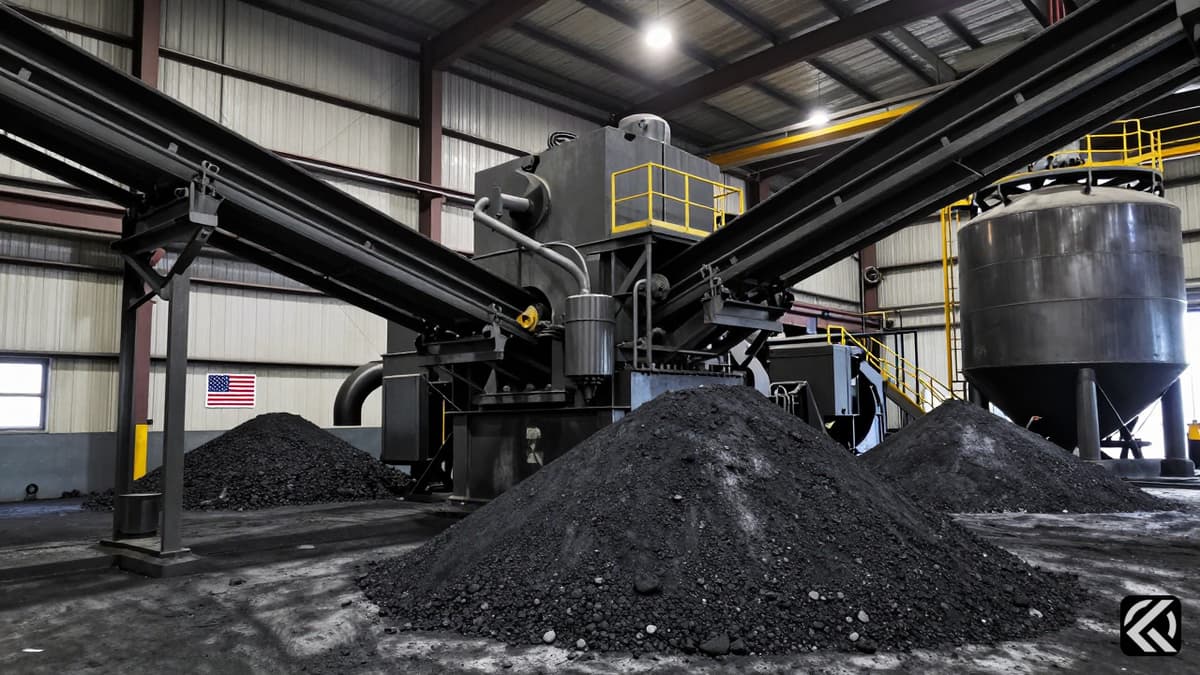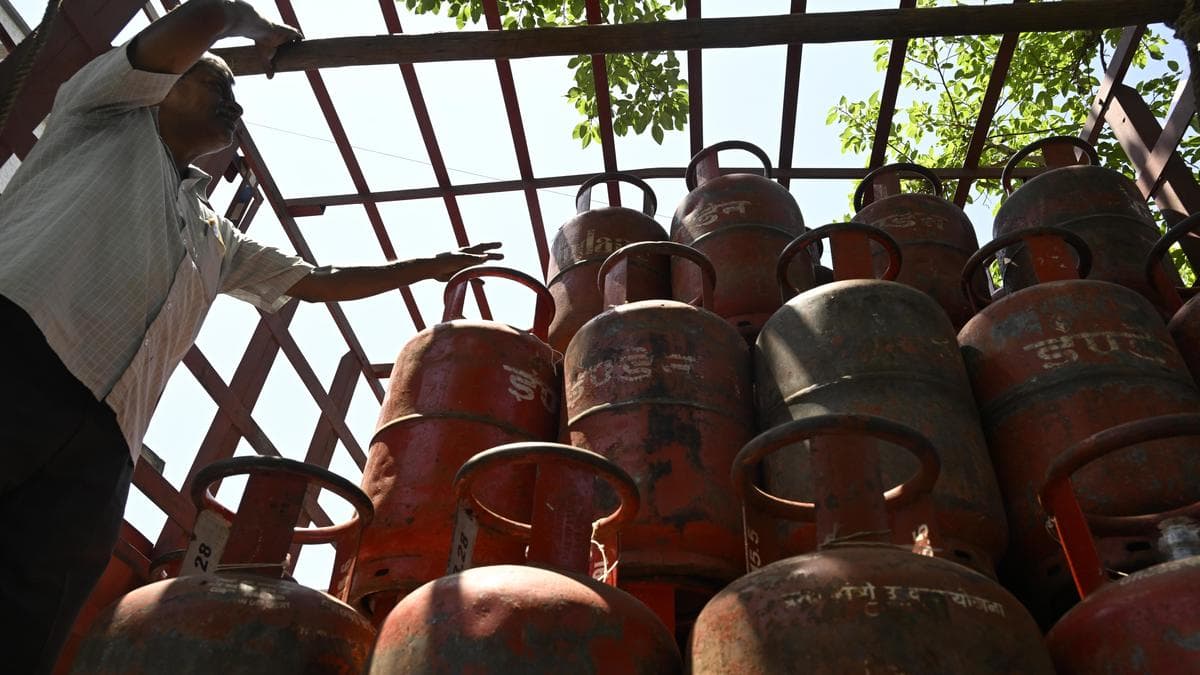
Government officials confirm that India's natural gas supply crunch is temporary, driven by new economic dynamics in global import markets and domestic production strategies.
The Indian energy sector is currently navigating a complex landscape regarding natural gas availability. According to government sources, the current natural gas supply crunch is expected to be short-lived. This optimism stems from prevailing market conditions where higher prices have fundamentally altered import economics. Specifically, these price shifts make imports from distant sources such as Norway and the U.S. economically viable options for the country. However, officials caution that despite this viability, the logistical reality remains a challenge. Such shipments typically take longer to arrive, meaning the country could face a shortage in the interim period before new cargoes reach domestic shores.
A significant shift in pricing dynamics is driving the change in import strategy. Government officials have highlighted that while India was previously receiving Qatar gas at prices ranging from $6-8 per MMBtu, the current price stands at $15 per MMBtu. The official explanation clarifies that once the price crosses even $10 per MMBtu, gas from Norway and the U.S. becomes viable despite the long distance involved. This economic threshold is crucial because it opens up new supply routes that were previously too expensive to consider when prices were lower.
However, this shift comes with a caveat regarding logistics. While the economics support diversification, the physical transportation of these resources takes time. An official noted that apart from Qatar, other options like Norwegian or American gas take a long time to reach India. Shipping industry estimates suggest it takes about two months for vessels to travel to the U.S. or Norway and return to India with gas cargo. Consequently, there will be a lead time between placing orders and receiving deliveries from those countries. Officials acknowledge that while gas will not be a long-term problem, there will be some short-term pain associated with this transition period.
To mitigate the supply gap, the government has taken decisive action regarding domestic output. An official stated that India’s LPG output has increased by 10% after the government decided to prioritise supplies to households over industry users. On March 5, the Ministry of Petroleum and Natural Gas (MoPNG) issued a directive asking all oil refining companies to maximise production. The instruction was clear: all propane and butane produced, recovered or otherwise available must be utilised for LPG output.
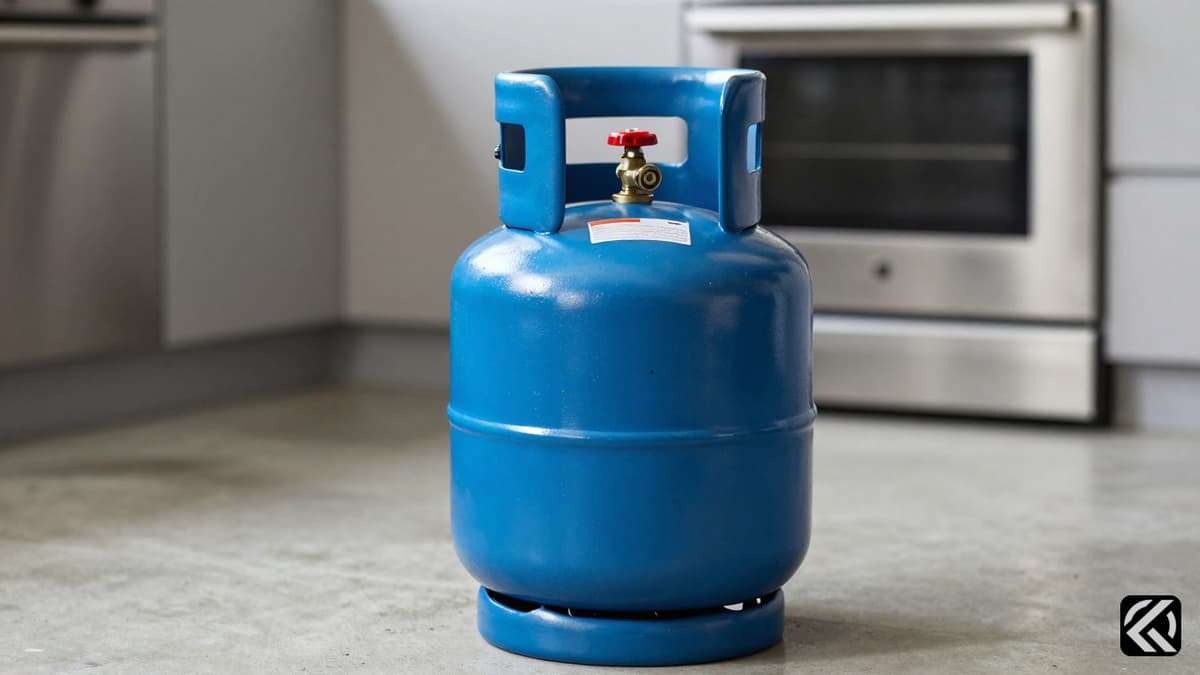
This prioritization has sparked discussions regarding commercial needs. To allay concerns among restaurateurs about potential shortage of commercial LPG cylinders, the government on Monday constituted a committee comprising three executive directors of oil marketing companies (OMCs). The purpose of this body is to review representations for LPG supply and try to provide some volumes to them. An official confirmed that they are already in touch with the restaurateurs and intend to address all genuine requirements while providing relief to the extent possible. When asked about a specific timeline for these resolutions, the official stated they will have to evaluate on a case-to-case basis and act accordingly.
The government maintains that its utmost priority is to ensure an uninterrupted LPG supply to domestic households without jeopardising commercial entities entirely. While the immediate future presents logistical hurdles, the combination of higher global prices enabling new imports and increased domestic production offers a path forward. Officials emphasize that while gas will not be a long-term problem, stakeholders must prepare for some short-term pain as the supply chain adjusts to these new economic realities and shipping lead times.
Jun 9, 2026 02:39 UTC
US Warplane Strikes Tanker MT Marivex; Crew Evacuated in Gulf of Oman
Join 50,000+ readers getting the global briefing every morning.
No spam. Unsubscribe anytime.
Jun 9, 2026 00:00 UTC
INDIA Bloc Leaders Gather in Delhi to Forge Strategic Unity
Jun 8, 2026 22:55 UTC
Netanyahu Vows Forceful Response to Future Iran Attacks
Jun 8, 2026 20:56 UTC
Netanyahu Halts Iran Fighting, Vows Future Force
Jun 8, 2026 20:54 UTC
Justice Department Moves to Strip Citizenship from 17 Individuals