The ongoing geopolitical conflict is disrupting domestic supply chains in Maharashtra, forcing a significant portion of Mumbai eateries to shut down operations.
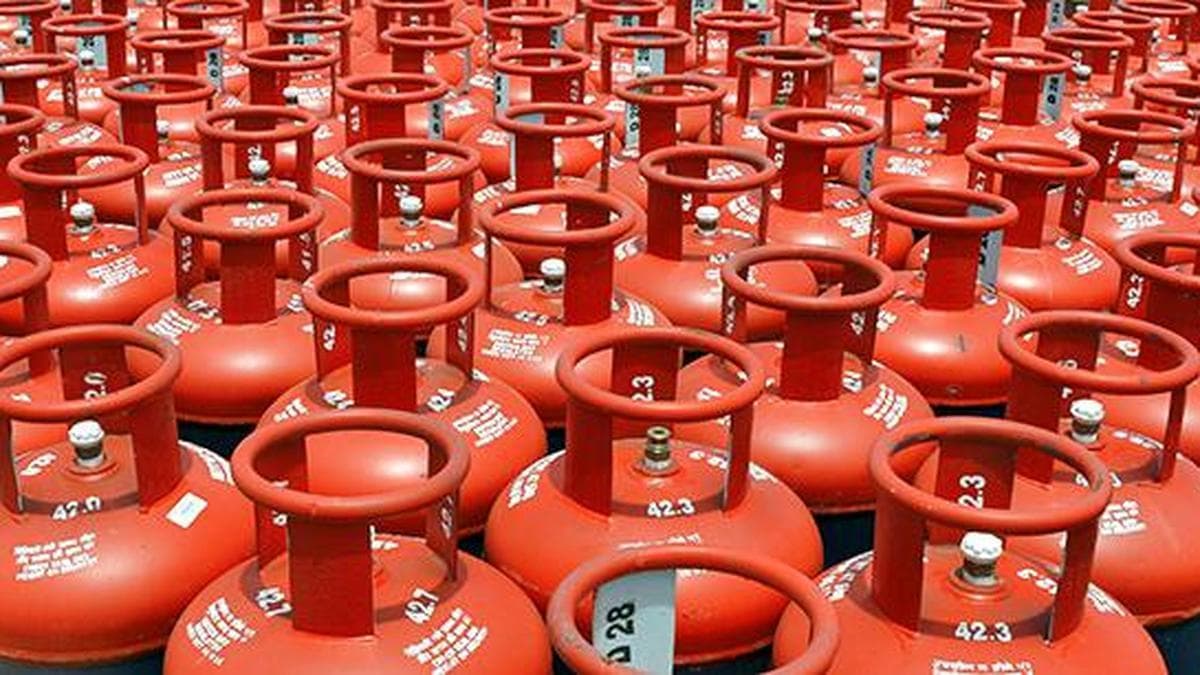
The hospitality industry in India is currently facing an unprecedented challenge driven by external geopolitical factors. A persistent struggle involving major global powers, specifically Israel, the United States, and Iran, has begun affecting domestic supply chains significantly. This disruption in commercial liquefied petroleum gas supply is hitting the hotel and restaurant sector in Maharashtra with severe force. As a result of these logistical failures, business owners are forced to make difficult operational decisions to maintain viability amidst rising costs and scarcity.
In response to the scarcity, the immediate impact on the ground has been substantial. In Maharashtra, around twenty percent of hotels and restaurants in Mumbai have shut down completely. This figure represents a significant portion of the local culinary landscape losing revenue entirely due to the lack of fuel. Hoteliers have begun adopting menu rationing strategies to conserve resources for those customers who remain. Furthermore, staff are utilizing slow cooking methods to reduce gas consumption during preparation. These measures indicate a desperate attempt to manage limited resources while maintaining service levels.
The situation has driven some operators toward informal markets as a survival tactic. With standard supply chains disrupted, some establishments have resorted to purchasing gas cylinders from the black market. This move highlights the severity of the shortage, as businesses are willing to navigate unregulated channels just to keep their stoves lit. However, relying on such sources is not sustainable for long-term operations and carries inherent risks. The broader implication suggests that without intervention, many outlets cannot continue functioning under current conditions.
Leadership within the sector has voiced strong concerns regarding the trajectory of this crisis. Associations are projecting that nearly fifty percent of outlets in the city could close within two days if the situation does not improve. This projection underscores the fragility of the current supply status. A representative of the Indian Hotel and Restaurant Association, recognized as the top body for the hospitality trade in the State, emphasized the need for government intervention. The representative stated that while they understand the reason behind the shortage, a blanket stoppage is not the solution. Instead, the supply should continue for at least twenty-five percent so that the hotels can survive somehow. They warned that one more day will cause the percentage of closures to increase further.
The ongoing geopolitical tension has created a ripple effect that is now threatening the economic stability of Mumbai's dining sector. With major commercial supply chains disrupted, local hoteliers are forced to adapt through rationing and alternative sourcing methods. The leadership of the Indian Hotel and Restaurant Association warns that without a continued supply stream, the closure rate will escalate rapidly. The situation remains critical, with the potential for widespread shutdowns looming if the supply situation does not stabilize soon.
Jun 8, 2026 22:55 UTC
Netanyahu Vows Forceful Response to Future Iran Attacks
Join 50,000+ readers getting the global briefing every morning.
No spam. Unsubscribe anytime.
Jun 8, 2026 22:55 UTC
Netanyahu Vows Forceful Response to Future Iran Attacks
Jun 8, 2026 20:56 UTC
Netanyahu Halts Iran Fighting, Vows Future Force
Jun 8, 2026 20:54 UTC
Justice Department Moves to Strip Citizenship from 17 Individuals
Jun 8, 2026 18:37 UTC
Trump Denied War Pledge Despite Clear Campaign Records