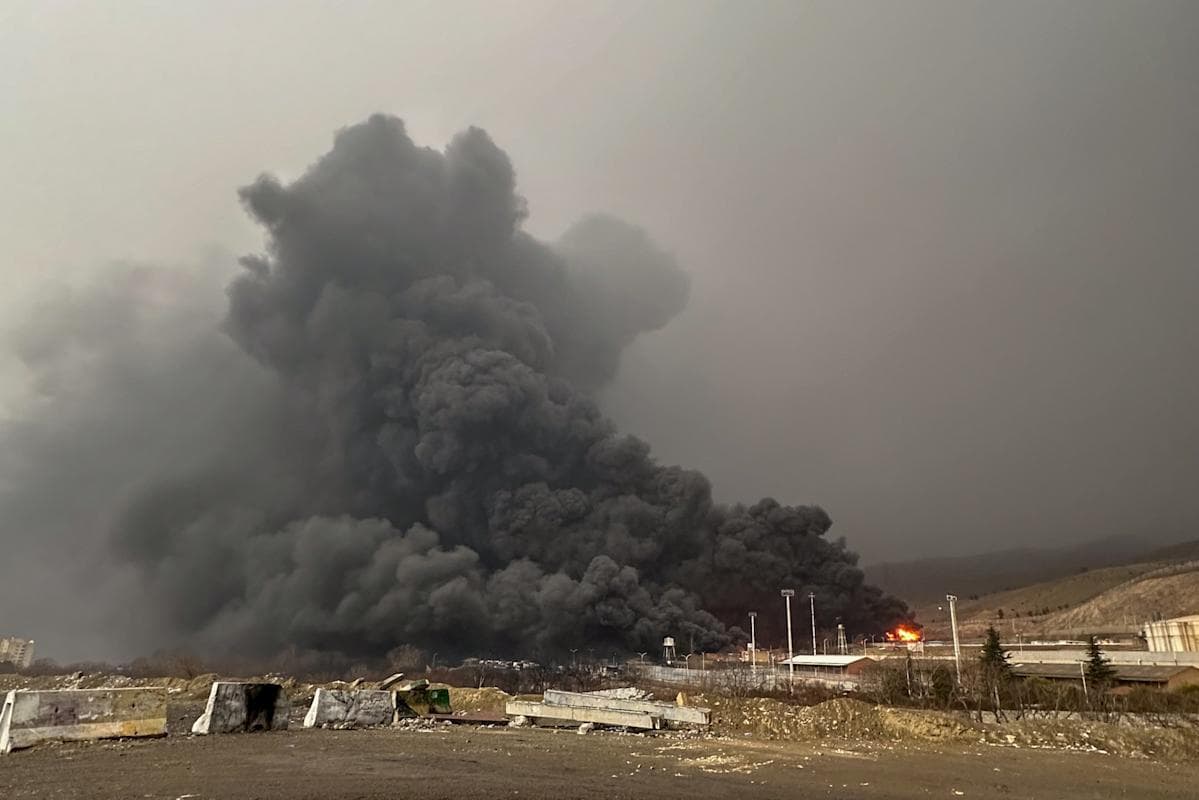
Defense Secretary Hegseth confirms ongoing aggression as President Trump weighs war termination options, sending shockwaves through global energy markets.
The geopolitical landscape has shifted dramatically following recent military actions in the Middle East. According to reports from the Pentagon, Washington is currently conducting its most intense day of attacks against Iran. Defense Secretary Pete Hegseth made these comments during a press conference on Tuesday, suggesting that the United States will not cease operations until the Islamic Republic is defeated. This aggressive tone marks a significant shift after President Donald Trump suggested the conflict might conclude soon. Hegseth’s statements imply the US-Israeli campaign that began on Feb. 28 may still have some way to run, creating further disruption in the oil industry and global markets. Market analysts are watching closely for any further shifts in strategy.
The campaign is now in its eleventh day. Washington and Israel continued bombing Iran overnight and into Tuesday morning. In response, the Islamic Republic has fired drones and missiles at targets across the Middle East. Despite Trump signaling a potential end to the war, Iranian officials have pushed back against negotiations. When asked whether he would be willing to talk to the Iranians, Trump said it would be possible but was non-committal, Fox News reported. Parliament Speaker Mohammad Bagher Qalibaf stated the country is absolutely not seeking a ceasefire. Foreign Minister Abbas Araghchi told PBS’s News Hour that talks with the US are not on our agenda. Meanwhile, German Chancellor Friedrich Merz expressed concern about the lack of a joint plan to bring the war to a convincing conclusion.
The conflict is severely impacting the oil industry. The biggest oil refinery at Ruwais in the United Arab Emirates halted operations after a drone strike caused a fire in the industrial area, according to people familiar with the matter. Abu Dhabi National Oil Co. was assessing damage at the plant. Addressing concerns about soaring energy prices, Trump said Monday that the US Navy will escort tankers to maintain a steady oil supply through the Strait of Hormuz. The effective closure of this vital waterway has created bottlenecks and caused regional energy giants to slash production. Saudi Arabia, Iraq, the United Arab Emirates and Kuwait have lowered their collective output by as much as 6.7 million barrels a day. That amounts to about 6% of global supply. Brent crude climbed to almost $120 a barrel early Monday but eased to about $91 following Trump’s comments. Despite this drop, prices remain more than 50% higher than at the start of the year. There is little sign Hormuz can be opened quickly without at least a pause in hostilities.

The situation remains volatile as hostilities continue without a clear path to resolution. With global supply slashed and diplomatic channels closed, the market faces continued disruption. The US Navy's intervention offers some hope for stabilizing supply through the Strait of Hormuz, but regional giants have already reduced production significantly. Until hostilities pause, energy prices are expected to remain high, reflecting the ongoing tension between military objectives and economic stability. The uncertainty persists as both military and economic pressures mount simultaneously.
Jun 8, 2026 22:55 UTC
Netanyahu Vows Forceful Response to Future Iran Attacks
Join 50,000+ readers getting the global briefing every morning.
No spam. Unsubscribe anytime.
Jun 8, 2026 22:55 UTC
Netanyahu Vows Forceful Response to Future Iran Attacks
Jun 8, 2026 20:56 UTC
Netanyahu Halts Iran Fighting, Vows Future Force
Jun 8, 2026 20:54 UTC
Justice Department Moves to Strip Citizenship from 17 Individuals
Jun 8, 2026 18:37 UTC
Trump Denied War Pledge Despite Clear Campaign Records