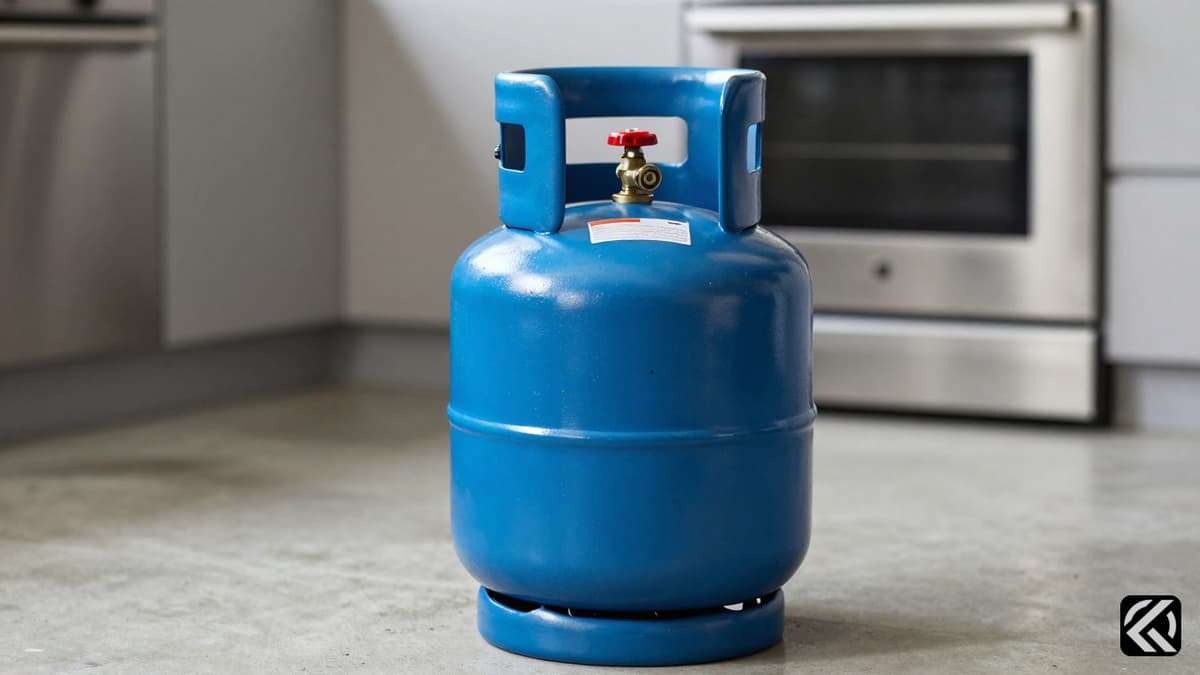
Local hospitality businesses reduce operations as cylinder supplies halt following geopolitical tensions affecting fuel availability.
The hospitality sector in Coimbatore is facing an unprecedented challenge driven by external geopolitical factors rather than local demand fluctuations. Following a critical communication from oil marketing companies on Monday, March 9, 2026, the district has seen immediate operational adjustments across its dining establishments. The root cause of this disruption is traced to the ongoing U.S.-Israel war on Iran, which has created a ripple effect impacting commercial fuel supplies. Consequently, hotels and retirement communities are forced to explore alternative sources of energy while navigating severe shortages in standard LPG cylinders. This situation highlights how global conflicts can rapidly destabilize local economic infrastructures, forcing businesses to make difficult decisions regarding service continuity and menu availability.
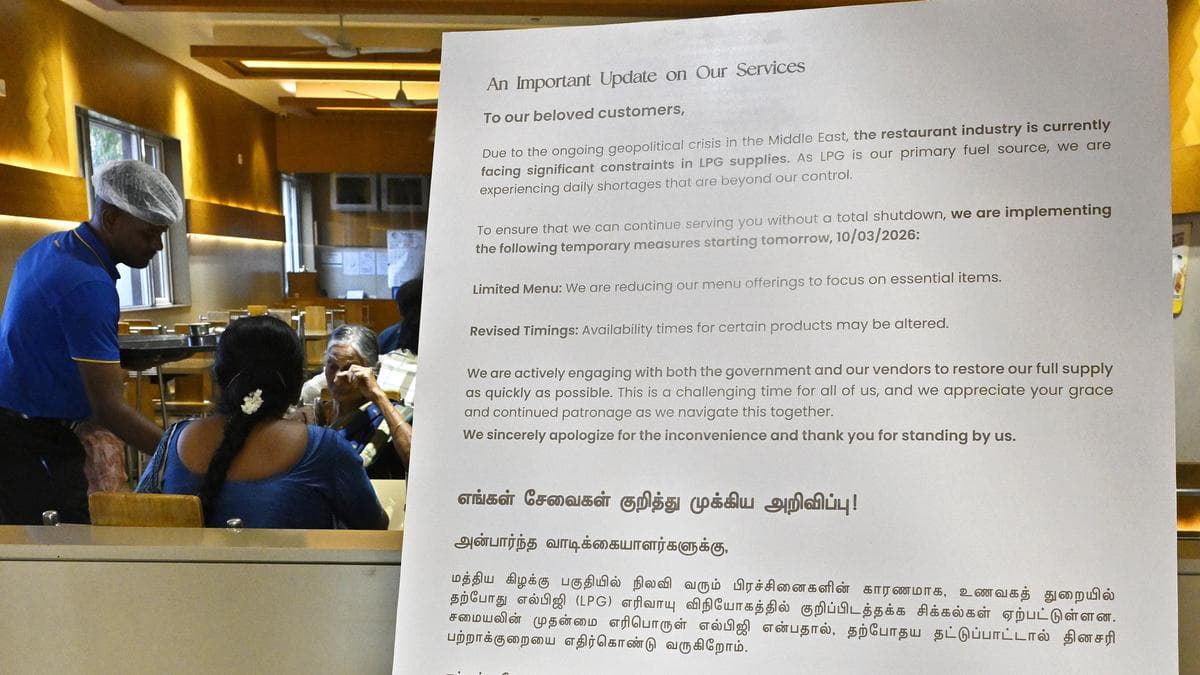
In response to the supply constraints, the Coimbatore District Hoteliers Association has coordinated a strategy to extend existing inventory. K.A. Ramaswamy, the president of the association, confirmed that oil marketing companies officially stopped the supply of commercial LPG cylinders starting Tuesday, March 10. To manage the remaining stockpiles, member establishments have implemented strict rationing protocols. The Sree Annapoorna Sree Gowrishankar Group issued a notice on Monday night detailing these changes to their clientele. They announced that service would be limited to essential items, with certain dishes available only during specific hours of the day.
Mr. Ramaswamy provided further details on the culinary adjustments required by the shortage. Live counters have been stripped of Chinese items, and parottas have been completely removed from menus. Furthermore, popular breakfast staples like dosa and puri are now restricted to peak service hours. These measures indicate a strategic reduction in variety to ensure that available fuel resources last as long as possible before inventory depletion becomes critical.
The impact of this crisis is not distributed evenly across the district's hospitality landscape. While 262 hotels that are members of the association anticipate managing for a couple of days, there is a looming threat of shutdowns thereafter. Smaller establishments face a more precarious situation. According to Mr. Ramaswamy, thousands of smaller hotels operate within the city limits but do not use firewood due to strict inspections and safety norms. Consequently, these smaller entities will be the worst-hit by the shortage, lacking viable backup options compared to larger chains.
Conversely, star hotels have a distinct advantage due to their infrastructure investments. A general manager of a large restaurant noted that such properties utilize equipment running on electricity, meaning the use of LPG cylinders is minimal at such locations. These establishments will be relatively less affected by the cylinder shortage, creating a disparity in survival rates between luxury dining and smaller local eateries during this period of fuel scarcity.
As the immediate crisis unfolds, stakeholders are already looking toward long-term solutions to mitigate future risks. A textile mill owner indicated that wherever possible, canteens in industries will consider using firewood to manage the situation despite existing norms. There is a shared hope among business leaders that the war will end soon, allowing normal operations to resume. Achal Sridharan, founder of CovaiCare retirement communities, emphasized the need for options such as biogas if the situation persists. Currently, organizations have a cylinder bank to manage for the next few days, but reliance on this buffer is temporary without systemic changes to fuel sourcing strategies.
The LPG crisis in Coimbatore demonstrates the fragility of local supply chains when exposed to international conflicts. While large organizations adapt through existing infrastructure, smaller businesses face existential threats without alternative fuel permissions. The district awaits a resolution to the war on Iran, hoping that cylinder banks suffice until normalcy returns. Until then, service timings and culinary offerings remain significantly curtailed across the region.
Jun 9, 2026 20:58 UTC
Trump Demands U.S. Action as Iran Shoots Down Second Aircraft
Join 50,000+ readers getting the global briefing every morning.
No spam. Unsubscribe anytime.
Jun 9, 2026 18:37 UTC
Israel Strikes Tyre Despite Iranian Warnings
Jun 9, 2026 16:42 UTC
IAB Framework Data Practices and User Privacy Choices
Jun 9, 2026 16:07 UTC
Madhya Pradesh Congress Departs for Bengaluru to Avoid Rajya Sabha Elections Pitfalls
Jun 9, 2026 14:27 UTC
US Sea Drone Saves Army Helicopter Crew Near Strait of Hormuz