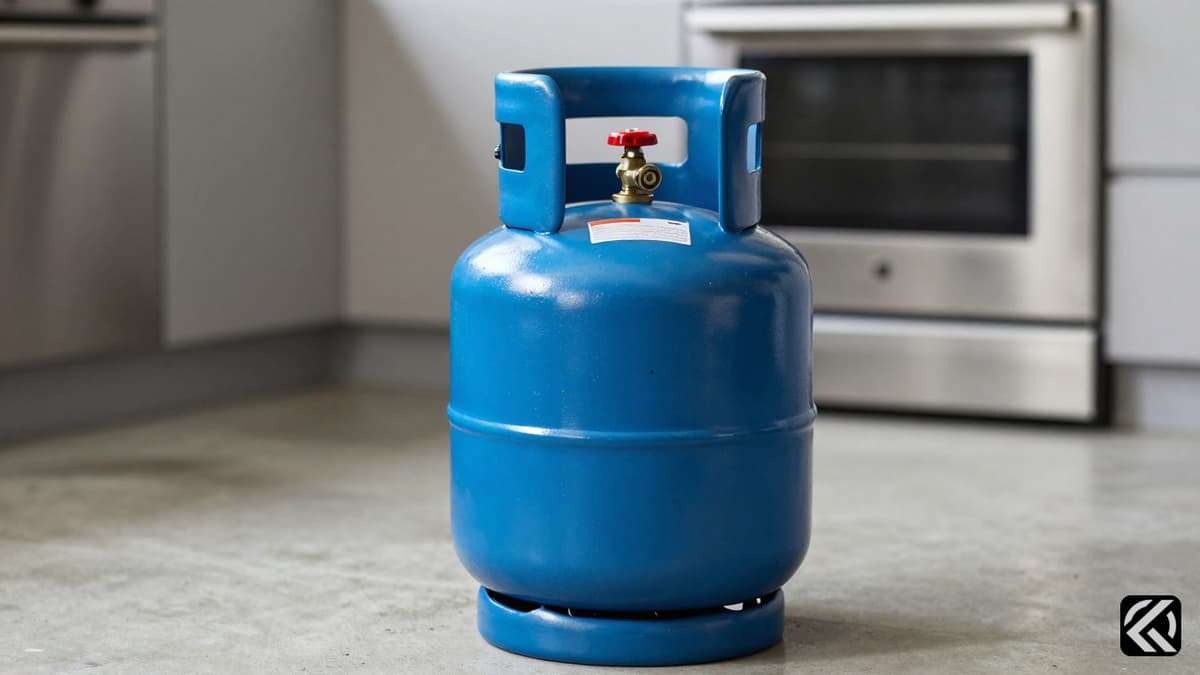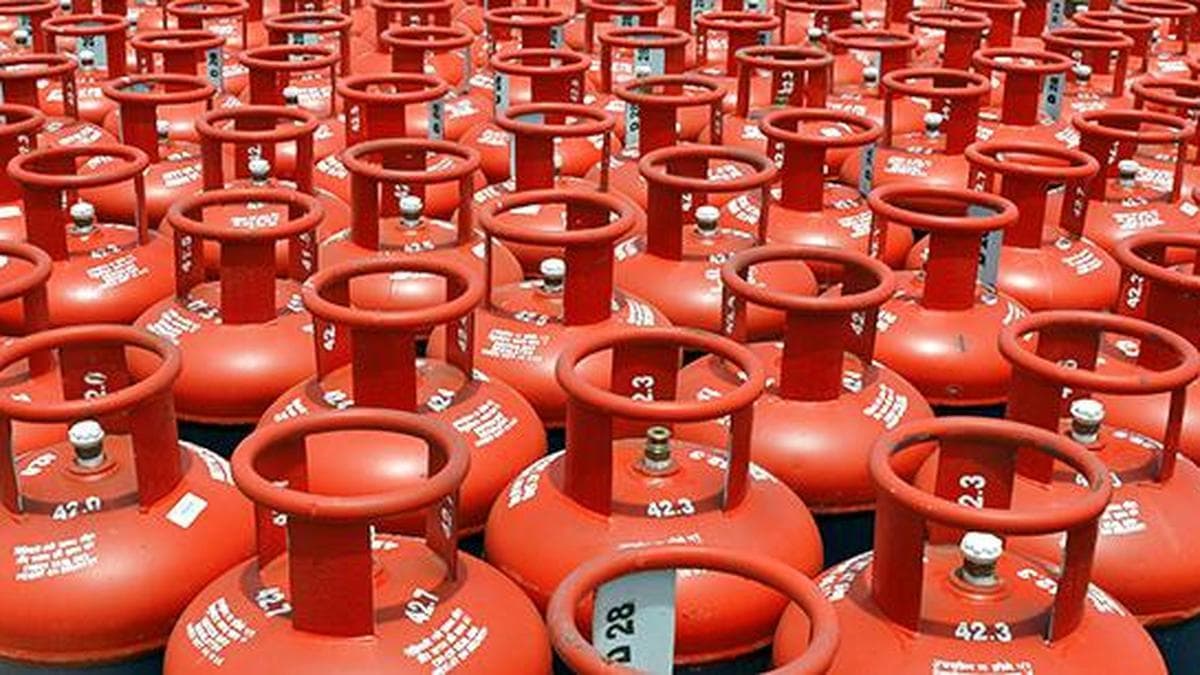
Geopolitical tensions ripple into local supply chains, forcing Mumbai hospitality businesses to ration menus and seek black market gas.
Global geopolitical instability is no longer confined to news broadcasts; it has permeated the daily operations of Mumbai's hospitality industry. The ongoing conflict involving Israel, the United States, and Iran has triggered a domino effect on domestic supply chains, specifically targeting commercial LPG supplies. This disruption has severely impacted the hotel and restaurant sector in Maharashtra, forcing establishments to adapt rapidly to survive an energy crisis born from international tensions. The situation highlights how foreign policy conflicts can directly alter local economic stability for small business owners.
The data regarding the current state of dining outlets is stark and alarming. In Mumbai alone, approximately 20% of hotels and restaurants have already shut down their doors due to the lack of fuel. This number represents a significant portion of the city's culinary landscape facing immediate closure. Industry leaders are not optimistic about the timeline for recovery or stabilization. Associations project that nearly 50% of outlets in the city could close within just two days if the situation does not improve. The rate of shutdowns is accelerating, with representatives noting that one more day without relief will cause the percentage of closures to increase further. This rapid escalation suggests a fragile system unable to withstand prolonged disruption.
Faced with this scarcity, business owners are implementing drastic operational changes to keep their doors open or minimize losses while waiting for supply restoration. Hoteliers have begun adopting menu rationing to reduce consumption during peak hours. Some establishments are resorting to slow cooking methods to stretch available resources and manage the limited fuel they possess. Perhaps most concerning is the shift in procurement strategies; many are purchasing gas cylinders from the black market to bypass official supply shortages. These measures indicate a sector under immense pressure, moving away from standard operating procedures to ensure survival amidst an energy deficit that threatens their financial viability.
Industry bodies are actively lobbying for a more nuanced approach to the crisis rather than accepting total shutdowns. A representative of the Indian Hotel and Restaurant Association, recognized as the top body for the hospitality trade in the State, has voiced concerns regarding the current blanket stoppage measures. The association argues that instead of a total halt, supply should continue for at least 25% so that hotels can survive somehow. They understand the reasoning behind restrictions but emphasize that partial continuity is necessary to prevent total market collapse. This plea underscores the need for targeted relief rather than broad prohibitions.

The ripple effects of international warfare are visibly damaging the local economy of Mumbai. With commercial LPG supplies disrupted by tensions involving Iran and Israel, the hospitality sector faces a critical juncture. While hoteliers attempt to adapt through rationing and alternative sourcing, the Indian Hotel and Restaurant Association warns that without at least 25% supply continuity, half the city's outlets may cease operations within days. The situation remains volatile as global conflicts continue to dictate local business viability in the region.
Jun 9, 2026 20:58 UTC
Trump Demands U.S. Action as Iran Shoots Down Second Aircraft
Join 50,000+ readers getting the global briefing every morning.
No spam. Unsubscribe anytime.
Jun 9, 2026 18:37 UTC
Israel Strikes Tyre Despite Iranian Warnings
Jun 9, 2026 16:42 UTC
IAB Framework Data Practices and User Privacy Choices
Jun 9, 2026 16:07 UTC
Madhya Pradesh Congress Departs for Bengaluru to Avoid Rajya Sabha Elections Pitfalls
Jun 9, 2026 14:27 UTC
US Sea Drone Saves Army Helicopter Crew Near Strait of Hormuz