Global financial markets rallied and oil prices fell following reports that the US and Iran are close to finalizing a deal to end the ongoing conflict.
The global financial landscape shifted dramatically on Wednesday as oil prices dropped and stock markets rose following reports that the US and Iran are nearing a deal to end the war. Brent crude futures fell to $97 (£73) a barrel before rebounding to over $101, having touched $108 earlier in the day. This market volatility coincides with diplomatic developments suggesting a potential de-escalation of hostilities.
Early reactions indicated significant optimism. Axios reported that the US believes it is close to a one-page document that would end the war and establish detailed nuclear talks. Hours later, an Iranian foreign ministry spokesperson confirmed to Iranian Students' News Agency that the US proposal was still under consideration. However, uncertainty remained as President Trump suggested on Truth Social that any agreement is "a big assumption," warning that failure could lead to bombardments at a "much higher level and intensity" than Operation Epic Fury.
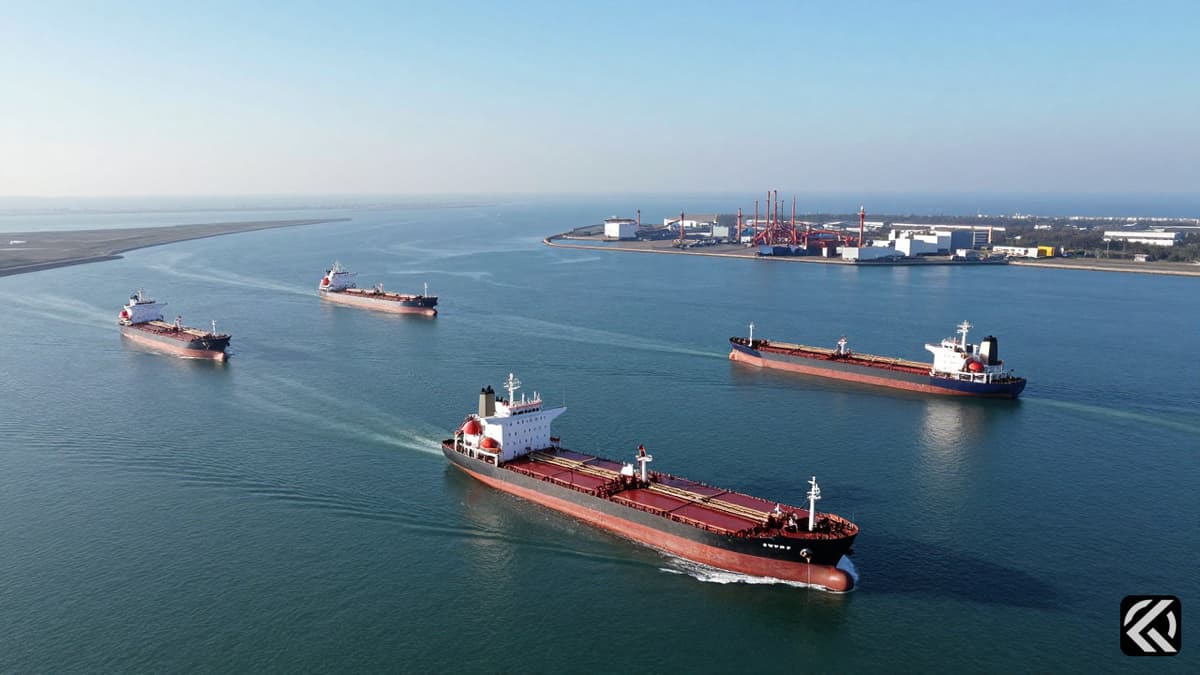
The recent market movements reflect the high stakes of the ongoing conflict. Before the start of the US-Israel war with Iran, oil prices hovered around $70 a barrel. The conflict, which began with US-Israeli strikes on February 28, caused production and transportation of oil in the region to slump. Central to the tension is Iran’s threat to attack oil ships crossing the Strait of Hormuz, a narrow waterway south of the country. Approximately one-fifth of global oil and gas shipments normally cross this strait, which has been effectively closed for weeks. Global gas prices have also soared since the conflict began.
Despite the current volatility, stock markets showed resilience. The FTSE 100 and Germany’s Dax closed over 2% up, while the French Cac 40 rose 3%. Asian indexes also ended the day higher, with the South Korean Kospi closing up 6.45%, the Hong Kong Hang Seng up 1.22%, and the Japanese Nikkei finishing 0.38% higher. The US S&P 500 climbed by more than 1% over the day. While European bourses remain lower than at the end of February, the S&P 500 has seen substantial growth. The Hang Seng remains down since the start of the war, but the Kospi and Nikkei are up.
Prior to these latest reports, a ceasefire agreed upon on April 8 had caused oil prices to slump and stock markets to jump. However, tensions escalated again on Sunday when President Trump announced that the US military would guide ships through the Strait of Hormuz, a move dubbed "Project Freedom." This led to a rise in attacks from both Iran and the US. Trump subsequently paused the operation "for a short period of time to see whether or not the Agreement can be finalized and signed," stating that "Great Progress has been made toward a Complete and Final Agreement with Representatives of Iran."
US Secretary of State Marco Rubio confirmed on Tuesday that the initial US-Israeli offensive in Iran was over, as Washington’s objectives had been met. The current proposal involves a memorandum of understanding that would declare an end to the war and start a 30-day period of negotiations. These talks would aim to re-open the strait, limit Iran's nuclear program, and lift US sanctions. The US is believed to be awaiting a response from Iran on several key points within the next 48 hours. This represents the nearest to agreement both sides have been since the conflict got under way, highlighting the critical role of the Strait of Hormuz in resolving the crisis.
The potential resolution of the US-Iran war marks a pivotal moment for international relations and energy markets. If the proposed one-page memorandum is signed, it could immediately alleviate supply chain disruptions caused by the closure of the Strait of Hormuz. The pause on "Project Freedom" indicates a strategic shift from military enforcement to diplomatic pressure. Should Iran accept the terms, the 30-day negotiation window could lead to lifted sanctions and stabilized oil supplies, potentially reversing the recent surge in global gas prices. Conversely, if negotiations fail, the warning of intensified bombardments suggests a return to high-intensity conflict, which would likely keep oil prices volatile and above pre-war levels. The immediate reaction of stock markets suggests investor confidence in a diplomatic breakthrough, but the uncertainty of Iran's response keeps the global economy on edge. Long-term impacts will depend on whether the nuclear talks succeed in establishing a lasting framework for stability in the region, ensuring the free flow of energy resources through one of the world's most critical maritime chokepoints.
May 8, 2026 19:28 UTC
Iran Transforms Destroyed B1 Bridge Into Symbol of Resistance
Join 50,000+ readers getting the global briefing every morning.
No spam. Unsubscribe anytime.
May 9, 2026 11:57 UTC
IUML Rejects TVK Support Rumors During Tamil Nadu Government Formation
May 9, 2026 11:57 UTC
Pentagon Unveils Declassified UFO Files Amidst Political Debate
May 9, 2026 09:41 UTC
Modi Touches Feet of Veteran Sarkar Amid West Bengal Victory
May 9, 2026 07:15 UTC
Suvendu Adhikari Forms New BJP Cabinet in West Bengal


