Witness the historic moment as the BJP assumes power in West Bengal, marking the end of a 15-year political dynasty with a grand ceremony in Kolkata.
NEW DELHI: Prime Minister Narendra Modi arrived in Kolkata on Saturday to witness a significant political shift in Eastern India. He accompanied the swearing-in ceremony of Suvendu Adhikari as the new Chief Minister of West Bengal. The event took place at the iconic Brigade Parade Ground, marking a historic breakthrough for the Bharatiya Janata Party (BJP) in the state. Adhikari's oath-taking ceremony was a major political milestone, attended by senior National Democratic Alliance (NDA) leaders. It signified the end of the Trinamool Congress’s 15-year rule, as the BJP secured 207 seats in the 294-member Assembly.
The atmosphere at the venue was electric with support for the new government. PM Modi embraced Makhanlal Sarkar, a 98-year-old BJP veteran, and touched his feet as a mark of deep respect. This emotional moment highlighted the connection between the current leadership and the party’s grassroots history. Sarkar, a resident of Siliguri, was among the senior-most BJP leaders in West Bengal during the party’s formative years. He had worked closely with Syama Prasad Mukherjee during the nationalist movement in post-Independence India. In 1952, Sarkar was arrested in Kashmir while accompanying Mukherjee during a movement to hoist the Indian tricolour.
PM Modi’s Arrival and Reception
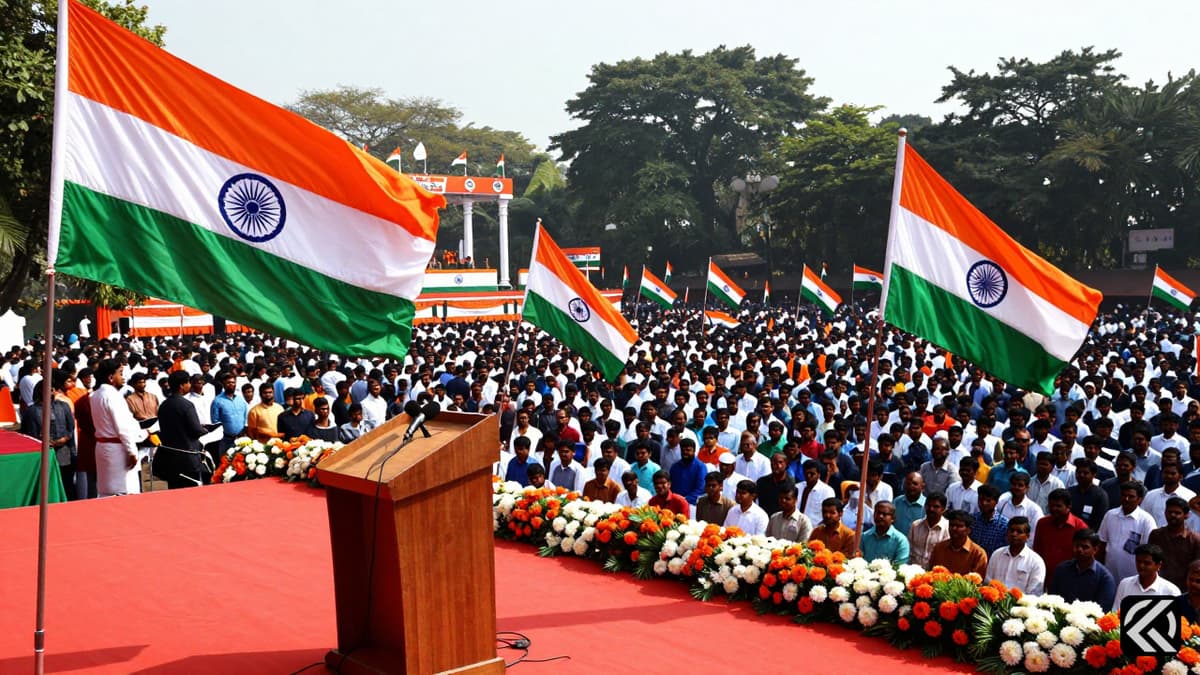
The Prime Minister landed at Netaji Subhas Chandra Bose International Airport shortly before 10 am. He later travelled by helicopter to the Race Course ground before proceeding to the Brigade Parade Grounds by road. Upon his arrival, he was greeted by loud chants of "Jai Shri Ram" from the massive crowd. Modi waved to supporters from an open vehicle, showcasing the immense popularity and public enthusiasm for the BJP’s victory. Thousands of supporters gathered at the venue from early morning to witness the oath-taking ceremony. They had waited hours to see the party’s first government take office after its decisive electoral win.
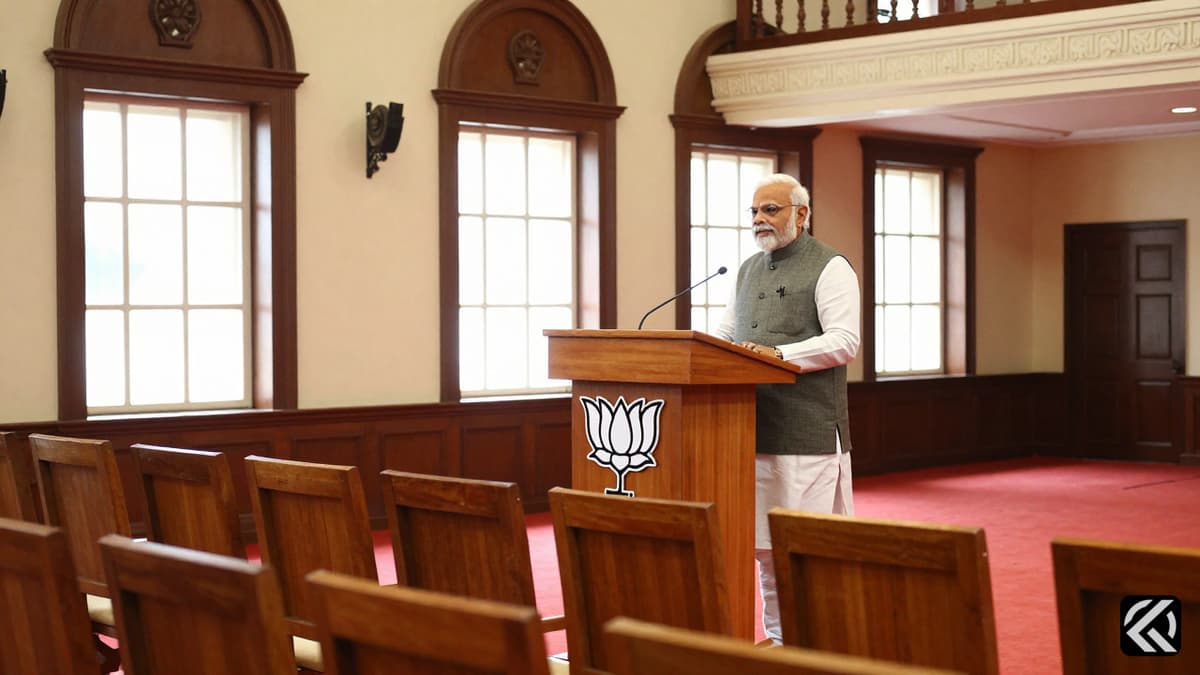
The presence of such a large crowd underscored the significance of this political transition. The BJP’s performance in the assembly elections was unprecedented in the state’s political history. The party’s ability to mobilize support across diverse demographics was evident in the scale of the gathering. The ceremony itself was a meticulously organized event, reflecting the importance placed on this political achievement by the central leadership.
Makhanlal Sarkar’s role in the BJP’s history is pivotal. After the formation of the BJP in 1980, he became the organisational coordinator for the districts of West Dinajpur, Jalpaiguri, and Darjeeling. His efforts in party building were remarkable. Within a year of taking on this role, he reportedly helped enroll nearly 10,000 party members. This rapid expansion demonstrated his effectiveness in mobilizing grassroots support in the region.
From 1981 onward, Sarkar served continuously for seven years as the district president. This tenure is considered a rare achievement in the party’s organizational structure. During this period, BJP leaders generally did not remain in the same organisational post for more than two years. Sarkar’s long-standing commitment to the party’s causes in West Bengal sets him apart as a dedicated veteran. His presence at the swearing-in ceremony served as a symbolic bridge between the party’s past struggles and its present triumphs.
The interaction between PM Modi and Sarkar was not merely ceremonial but a gesture of acknowledging the sacrifices made by early pioneers. It reinforced the narrative of the BJP as a party rooted in long-term ideological commitment rather than short-term political gains. The respect shown by the Prime Minister to such an elderly leader highlighted values of humility and gratitude within the party’s culture.
Strategic Implications for West Bengal
The swearing-in of Suvendu Adhikari marks the beginning of a new administrative chapter for West Bengal. The BJP’s victory with 207 seats provides a strong mandate to implement its agenda. The government will face the challenge of governing a state with a complex political landscape and high public expectations. The transition from the Trinamool Congress, which held power for 15 years, involves significant policy shifts. The new administration will need to address issues of development, law and order, and economic growth.
The presence of senior NDA leaders at the ceremony indicates strong central support for the state government. This unity is crucial for the stability of the new regime. The BJP’s focus on grassroots leaders like Sarkar suggests a strategy to consolidate its hold on the state’s political terrain. By honoring its veterans, the party aims to inspire loyalty and continuity among its rank and file. The historical context of Sarkar’s work with Syama Prasad Mukherjee adds ideological depth to the current leadership’s narrative.
The BJP’s assumption of power in West Bengal represents a major realignment in Indian politics. The state, traditionally a stronghold of regional parties, has now witnessed a change in government at the central party’s urging. The success of the new government will depend on its ability to deliver tangible results to the populace. The massive public turnout for the swearing-in ceremony suggests a hopeful reception, but sustaining this momentum will require effective governance.
Long-term impacts may include increased BJP influence in neighboring states and a shift in the national political discourse. The party’s ability to integrate West Bengal into its broader national narrative could strengthen its position against opposition alliances. The appointment of Adhikari as Chief Minister brings a local leader to the forefront, balancing central oversight with regional administration. The government will likely prioritize infrastructure development and welfare schemes to justify its electoral mandate. The historical significance of this event cannot be overstated, as it breaks a long-standing political equilibrium in the region.
May 8, 2026 19:28 UTC
Iran Transforms Destroyed B1 Bridge Into Symbol of Resistance
Join 50,000+ readers getting the global briefing every morning.
No spam. Unsubscribe anytime.
May 9, 2026 11:57 UTC
IUML Rejects TVK Support Rumors During Tamil Nadu Government Formation
May 9, 2026 11:57 UTC
Pentagon Unveils Declassified UFO Files Amidst Political Debate
May 9, 2026 07:15 UTC
Suvendu Adhikari Forms New BJP Cabinet in West Bengal
May 9, 2026 05:58 UTC
VCK Supports TVK as Tamil Nadu Faces Government Crisis