Section
A nationwide telecommunications failure has halted all U.S. commercial flights, leaving passengers stranded and sparking uncertainty amid a simultaneous global Microsoft IT crisis.
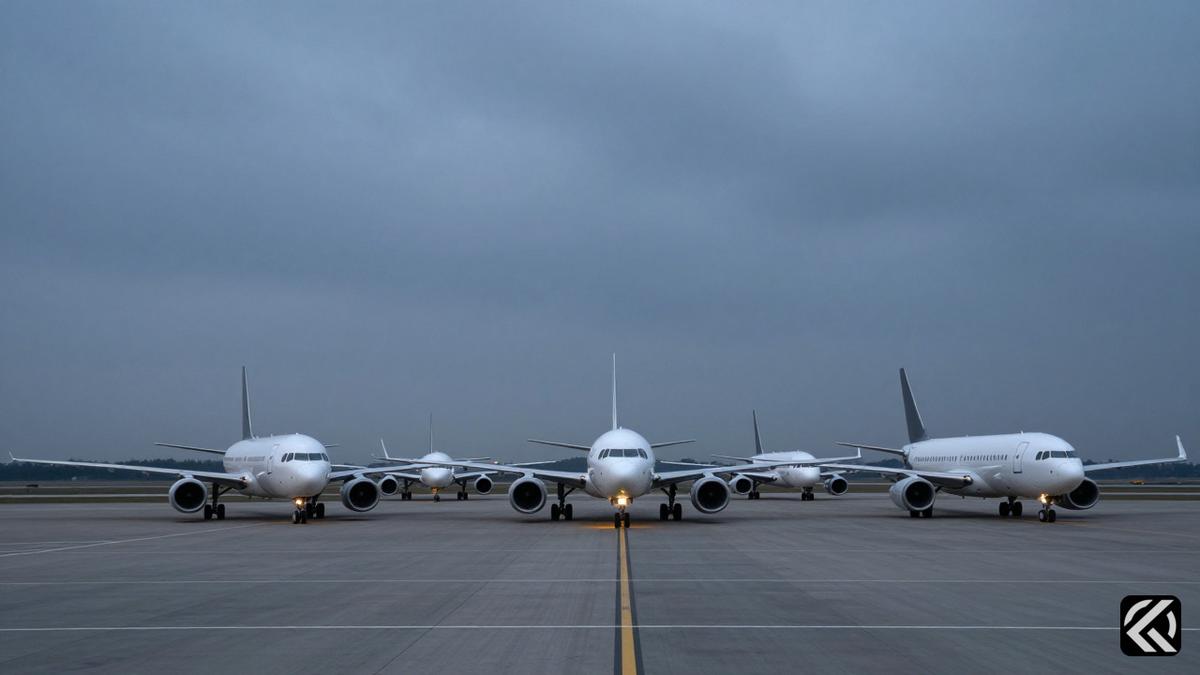
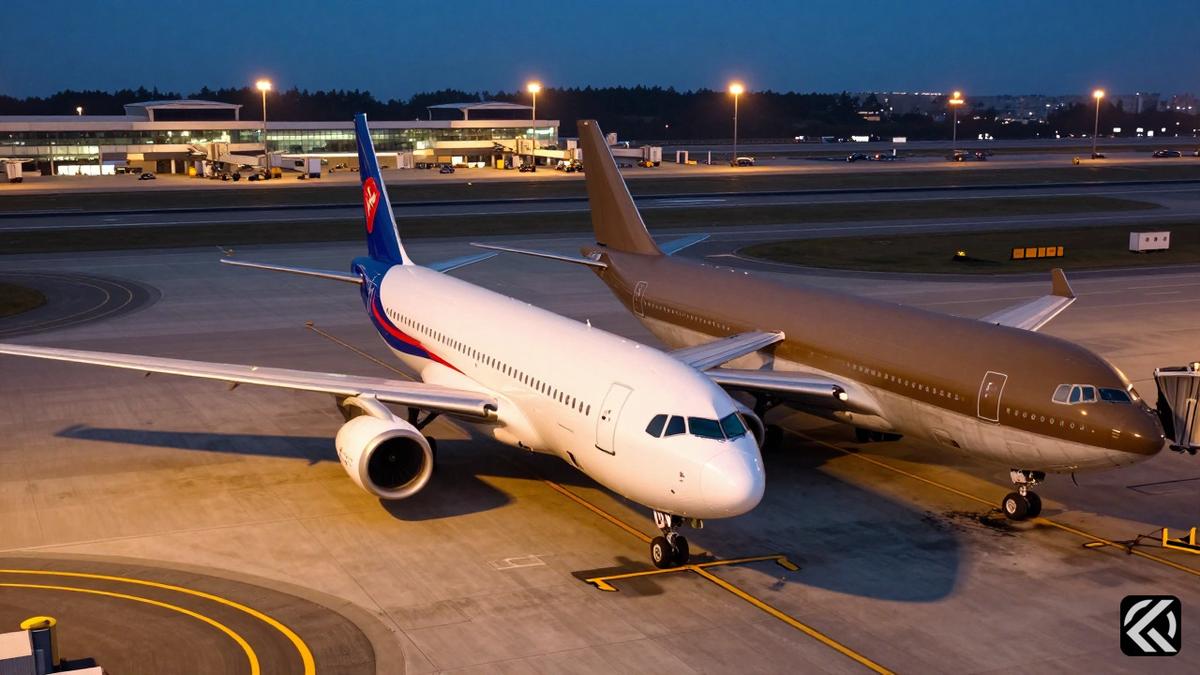
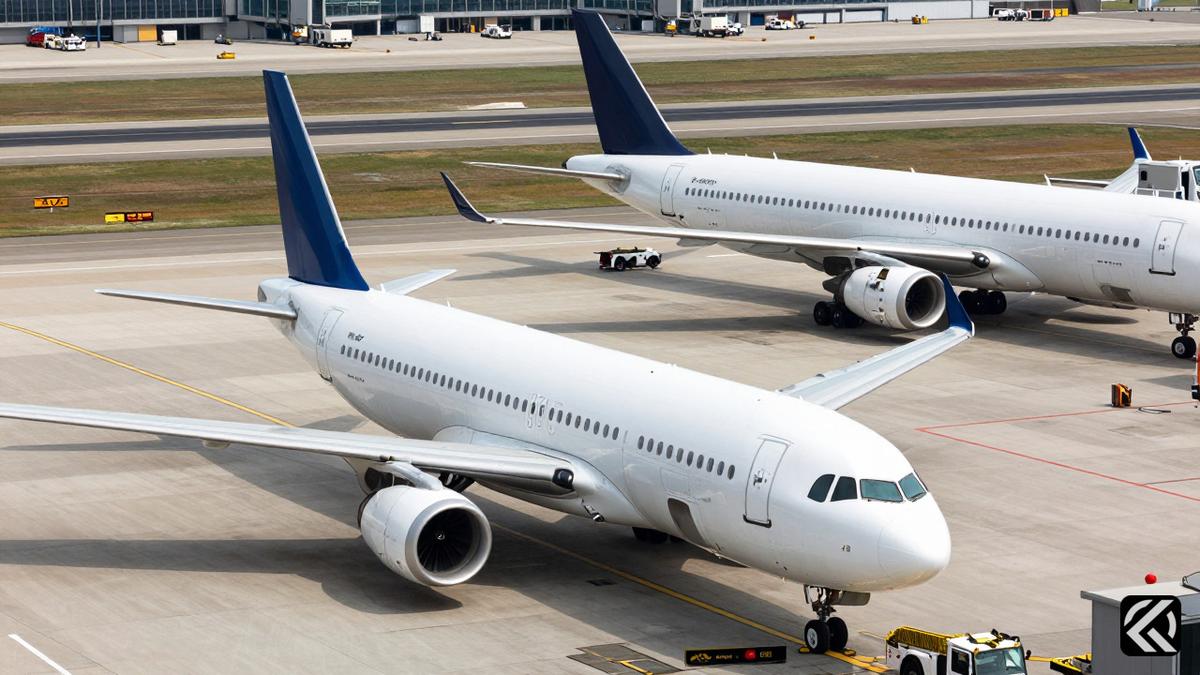
The Federal Aviation Administration US flights grounded on Friday, November 13, 2026, sparking immediate travel chaos across the vast United States after officials identified a significant communications failure. Government authorities insisted this widespread stoppage was not the result of a hostile act but rather a technical glitch. The nationwide halt left tens of thousands of passengers in limbo, with some individuals pulled off planes moments before departure by airline staff who appeared largely unaware of the unfolding scope of the event.
The Federal Aviation Administration issued a FAA ground stop for all U.S. airports following a communication issue that impacted all Air Route Traffic Control Centres. The agency stated that technicians were actively investigating the problem. In a subsequent update on X, the agency described the problem as a "temporary telecommunications outage" and noted it was acting "out of an abundance of caution." This event marked only the second time such an alert was given in U.S. airspace since the September 11 attacks, highlighting the severity of the disruption to national air travel infrastructure.
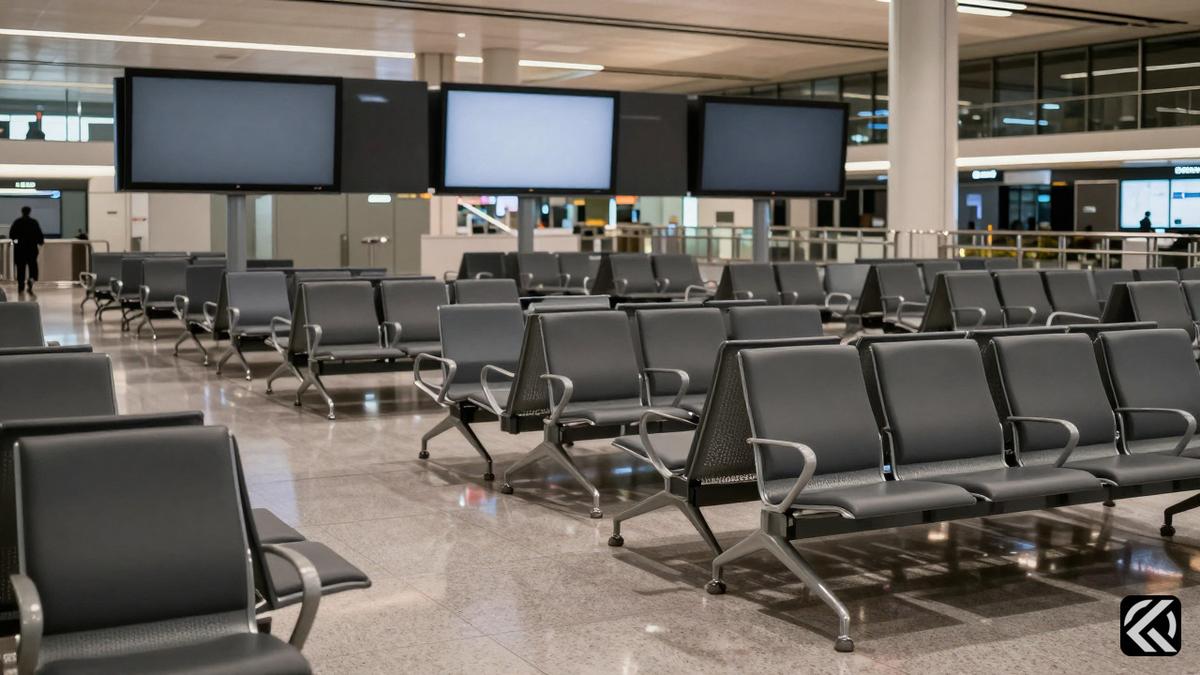
The immediate aftermath of the ground stop was characterized by confusion and a lack of clear information for travelers. At New York’s LaGuardia Airport, passenger Tiara Johnson described her frustration as her flight to Orlando for a concert faced repeated delays. "They just keep delaying it... So it started out at 7:55. Then it went to 8:30, 9:30. Now it’s at 10:30. So we don’t know when it’s gonna leave," Johnson told AFP. She expressed feeling "very frustrated" because her entire plan changed suddenly, leaving her "kind of stuck" without a clear timeline for departure.
In Las Vegas, the situation at Harry Reid International Airport was similarly chaotic. Airline staff provided conflicting information regarding the duration of the ground stop, with one employee suggesting an eight-hour delay while another indicated it could last up to 24 hours. Travellers were left in the dark, with some told their flights were delayed due to weather conditions, while others had to gather information independently. The discrepancy was further highlighted by airport boards that continued to show departures leaving as normal, while mobile boarding passes for those stuck on the ground displayed their flights as already in progress.
Joseph Anderson, 72, a traveler attempting to fly from Las Vegas to Oakland, California, expressed the exasperation felt by many. "So supposedly, nobody’s flying, but they haven’t told the public yet," he said. Anderson noted the difficulty in making alternative arrangements, stating, "We’re trying to debate whether or not we need to reschedule or drive or what, but if the whole country is stopped, that means the highways are going to be jammed too." Stranded passengers scrambled to find alternatives, leading to long lines at rental car counters across the airport. Susan Sardina, who had already boarded her flight back to Orange County, California, reported that staff abruptly informed passengers there was a problem, further exacerbating the uncertainty.
Homeland Security Secretary Markwayne Mullin addressed the nation to clarify the nature of the incident. He stated there was no sign of a threat to the United States and emphasized that this was not another September 11. "This isn’t another 9/11," Mullin said. He confirmed there was no indication that the event was a nefarious attack, describing it simply as a telecommunications outage. However, he added that officials were "not ruling out anything at this point" while the investigation continued.
The timing of this ground stop is particularly notable given recent political and technological developments. The FAA order came just one day after U.S. Transportation Secretary Sean Duffy formally requested $30 billion from Congress to upgrade and modernize the U.S. Air Traffic Control System. In a letter to lawmakers, Duffy and Office of Management and Budget Director Russell Vought wrote, "This investment is critical to complete the modernization of our national airspace - delivering a resilient telecommunications backbone for air traffic controllers, modern hardware and software, state-of-the-art control towers, and world-class airport infrastructure." The request underscores ongoing concerns about the age and reliability of the nation's air traffic management infrastructure.
Compounding the travel crisis, the event coincided with a significant Microsoft outage that wreaked havoc for millions of users, public services, and businesses worldwide. The global technology giant apologized for the disruption, which had affected several of its products starting Thursday. Microsoft ruled out any malicious cyber or AI activity as the cause, attributing the issue to a technical failure. Most operations had resumed by late Friday, November 14, 2026, but the overlap between the aviation communication failure and the Microsoft outage raised questions among observers about the vulnerability of interconnected digital systems.
The last time a similar nationwide ground stop occurred was in January 2023, when a pilot notification system failed. That short stop was isolated compared to the September 11 attacks, when no aircraft took to the skies for days. The recurrence of such a broad alert in 2026 serves as a stark reminder of the fragility of modern air travel networks, which rely heavily on complex telecommunications infrastructure that is susceptible to both technical glitches and potential systemic failures.
This ground stop underscores the urgent need for the $30 billion modernization plan currently sought by Transportation Secretary Duffy. If the telecommunications backbone of the air traffic control system remains reliant on aging infrastructure, similar widespread failures could occur frequently. The convergence of this aviation halt with a major global IT failure suggests that future disruptions may increasingly be cross-sectoral, requiring coordinated responses between transportation authorities and technology providers to maintain national stability and public safety.
Nov 17, 2026 16:45 UTC
US Intel Warns of Iran Dirty Bomb Plot in DC
Nov 17, 2026 12:48 UTC
Quad Summit Manila: Modi, Trump Focus on Indo-Pacific Security
Nov 17, 2026 10:43 UTC
Ukraine Strike Collapses Crimean Bridge Ahead of Diplomatic Talks
Nov 16, 2026 16:25 UTC
Beijing Claims Historic Significance for Trilateral Talks in Shenzhen
Nov 15, 2026 22:18 UTC
Trump Demands Overhaul After Rare US Ground Stop Chaos