Section
Shocking audio captures the moment a UPS cargo aircraft clipped a Copa Airlines passenger jet on a Miami taxiway, prompting immediate FAA scrutiny and safety reviews.
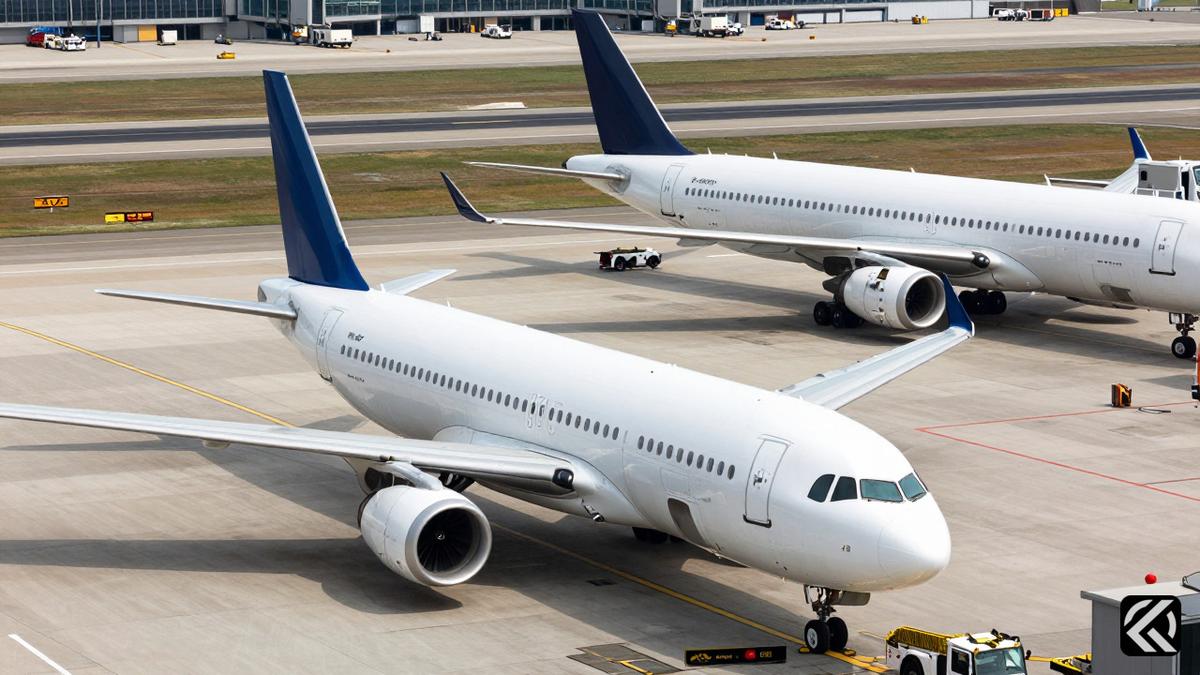
The Miami airport plane collision occurred when a UPS cargo aircraft struck a Copa Airlines passenger jet on a taxiway, capturing pilots' shock in newly released audio.
Air traffic control recordings reveal the precise moments before impact, showing controllers instructing the UPS crew to yield to an arriving aircraft before the contact took place. Both airlines have pledged full cooperation with the FAA investigation as authorities work to determine the cause of the ground incident.
The incident at Miami International Airport has drawn intense scrutiny after air traffic control audio revealed the chaotic final seconds before two large aircraft made contact. The recording captures a Copa Airlines pilot speaking to the control tower immediately after the impact. "Somebody hit us," the pilot stated, expressing immediate concern and confusion. The controller quickly responded by questioning the UPS crew about whether their aircraft had struck the passenger jet. The UPS pilot’s reply was blunt and confirming: "Yeah, we went too far, and then he clipped us with the wing."
This admission suggests a failure to adhere to ground movement instructions, a critical safety violation in busy airport environments. The Copa pilot subsequently reported specific damage to their aircraft, noting, "It seems that we are missing the left wingtip." This detail indicates that the collision was significant enough to tear off a structural component of the plane, although it did not compromise the structural integrity enough to prevent safe disembarkation.
The UPS aircraft involved was a Boeing 767 preparing to depart for Bogota, Colombia, with passengers bound for Panama City arriving on the Copa flight. The Copa flight was a Boeing 737 carrying 166 passengers and six crew members. The convergence of these two large aircraft on the taxiway highlights the complex logistics of airport ground operations, where multiple vessels navigate narrow pathways simultaneously. The fact that the UPS pilot admitted to going "too far" suggests a navigational error or a misunderstanding of clearance instructions, which remains a primary focus of the ongoing FAA investigation.
In the wake of the collision, both involved airlines issued statements emphasizing safety and cooperation. Copa Airlines expressed regret for the disruption caused to their passengers but reiterated that safety remained their top priority. The airline confirmed that all 172 people on board the Copa Airlines Boeing 737 were safely disembarked after the aircraft was towed to the gate. This rapid response was crucial in preventing further complications, as taxiing aircraft often carry significant fuel loads that can pose fire risks in the event of a severe impact.
UPS also confirmed that its crew members were unharmed, a relief for one of the largest cargo carriers in the world. The company stated it was committed to assisting authorities in determining the cause of the collision. The lack of serious injuries is a testament to the robust safety standards of modern commercial aviation, even during ground operations. However, the psychological impact on the passengers and crew cannot be understated. Being involved in a collision, even a minor one, is a traumatic experience that can lead to long-term anxiety regarding air travel.
The preliminary information, combined with the ATC recording, points strongly toward a possible failure to follow ground movement instructions. This is a common issue in aviation safety, often exacerbated by high traffic volumes, language barriers, or fatigue. The FAA investigation will establish the specific circumstances surrounding the incident, including whether radio communication was clear and if taxiway markings were visible and understood correctly.
This incident is particularly concerning because it occurred less than 24 hours after a nationwide FAA ground stop on Friday disrupted air travel across the United States. That previous ground stop triggered thousands of flight cancellations and delays, leaving passengers stranded at airports and forcing many to wait for rebooked flights. The cumulative effect of these disruptions has placed immense pressure on airport infrastructure and airline operations. The latest Miami airport plane collision has added to growing concerns over aviation operations in the US following a weekend of widespread travel disruption.
Critics and safety experts may view this sequence of events as indicative of systemic issues within the national air traffic management system. When airlines are forced to ground stop or delay flights, the resulting congestion on taxiways and runways increases the likelihood of ground incidents. The proximity of this collision to the nationwide disruption suggests that operational stress might be a contributing factor. As airports struggle to clear backlogs from previous disruptions, the margin for error shrinks, making precise coordination between air traffic control and flight crews more critical than ever.
The FAA’s response to this incident will be closely watched by industry regulators and airline executives alike. If the investigation confirms that the UPS pilot failed to follow clear instructions, it could lead to stricter training requirements or changes in how taxiway clearances are issued. Conversely, if equipment failure or miscommunication played a larger role, it could prompt upgrades to ground navigation systems. The outcome of this probe will likely influence how airlines manage ground operations during periods of high congestion and disruption.
The collision at Miami International Airport has reignited debates about the safety of ground operations in a post-pandemic travel boom. With air travel demand remaining high, airports are operating near capacity, increasing the risk of ground incidents. The FAA investigation will likely examine not just the immediate cause of the collision but also the broader operational environment, including staffing levels, communication protocols, and traffic density. If systemic issues are identified, regulatory bodies may implement new guidelines for taxiway management during peak times. This could lead to temporary flight restrictions or enhanced monitoring of ground movements to prevent future incidents. The industry must balance the efficiency of rapid recovery from delays with the imperative of maintaining strict safety margins, a challenge that will define aviation safety in the coming years.
Nov 17, 2026 16:45 UTC
US Intel Warns of Iran Dirty Bomb Plot in DC
Nov 17, 2026 12:48 UTC
Quad Summit Manila: Modi, Trump Focus on Indo-Pacific Security
Nov 17, 2026 10:43 UTC
Ukraine Strike Collapses Crimean Bridge Ahead of Diplomatic Talks
Nov 16, 2026 16:25 UTC
Beijing Claims Historic Significance for Trilateral Talks in Shenzhen
Nov 15, 2026 22:18 UTC
Trump Demands Overhaul After Rare US Ground Stop Chaos