Section
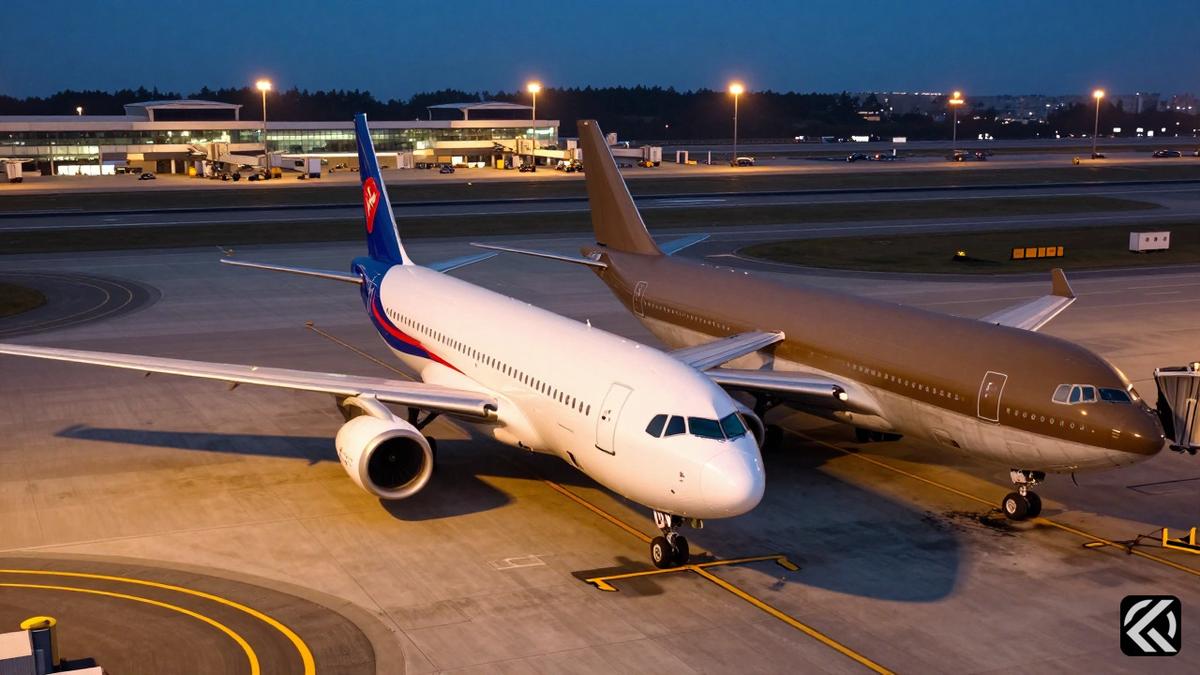
Chaos erupted at Miami International Airport on Saturday night as two commercial aircraft collided on the taxiway, injuring two people just days after major travel disruptions.
On Saturday night, a significant safety incident unfolded at Miami International Airport collision site when two commercial aircraft made contact while taxiing on the airfield. The collision occurred around 9:15 p.m., marking a jarring event for travelers already reeling from the effects of a nationwide flight grounding that had disrupted operations just a day prior. The incident involved a Copa Airlines Boeing 737 and a UPS Boeing 767, resulting in minor injuries and immediate scrutiny of ground operations.
The Federal Aviation Administration confirmed the details of the crash, stating that the wingtip of the Copa Airlines Boeing 737 struck the nose of the UPS Boeing 767. Greg Chin, the airport’s communications director, reported to CNN that two people were injured in the collision. Authorities launched an immediate investigation into the circumstances that led to the contact.
Copa passenger Cesar Ferreira provided a vivid account of the event to CNN, describing the sudden and frightening nature of the impact. “The wingtip of a Copa Airlines Boeing 737 struck the nose of a UPS Boeing 767 while the airplanes were taxiing,” the FAA noted. Ferreira recounted his experience inside the cabin, explaining, “We were taxiing after landing at a normal speed when, all of a sudden, I heard the chatter around me getting louder, followed by a collective scream and then the impact of another aircraft hitting ours.”
The physical sensation of the impact was described as abrupt. Ferreira added, “Inside the cabin, we felt the plane jerk abruptly sideways. At first, some passengers started freaking out, but the Copa crew reacted quickly, getting everyone to remain seated.” His description highlights the immediate reaction of the crew, which prioritized keeping passengers seated to prevent panic and potential secondary injuries during the unfolding emergency.
Air traffic control communication logs provide critical insight into the sequence of events leading up to the collision. Controllers had instructed the UPS crew to yield to the Copa flight. Despite this instruction, the UPS plane appears to have encroached on the Copa aircraft's path. The exchange between the pilots and controllers, captured in air traffic control audio, reveals the real-time realization of the error.
“Somebody hit us,” the pilot of the Copa Airlines flight said in the audio, as the controller asked the crew of the UPS plane if they had made contact. The UPS pilot’s response was direct: “Yeah, we went too far, and then he, he clipped us with the wing.” This admission suggests a failure in separation protocols or situational awareness for the cargo aircraft, which was preparing for takeoff.
The Copa pilot later confirmed the extent of the damage to their aircraft. “It seems that we are missing the left wingtip,” the Copa pilot said later. The physical damage to the UPS plane was also evident, with photos showing its nose crumpled and a gaping hole in the panels. The collision occurred as the Copa flight, which had just landed in Miami from Panama City, Panama, was taxiing, and the UPS flight was gearing up to takeoff for Bogotá, Colombia.
Despite the severity of the contact, the outcome was relatively contained regarding casualties. The injuries to the two people were minor, and both were treated at the scene by fire and rescue teams, according to Chin. After approximately 10 minutes, the captain of the Copa flight announced that there was no imminent danger. A tug was brought in to move the plane back to the terminal.
All 166 passengers and six crew members have since disembarked and the plane was returned to the terminal, the airline said in its statement. The rapid deplaning and lack of major structural compromise to the airworthiness of the planes suggest that the contact, while alarming, did not result in a catastrophic failure of the aircraft's integrity.
UPS Airlines released a statement regarding the incident, noting that it is “committed to working with authorities to determine what happened” and noted its crew was safe. The company emphasized cooperation with the ongoing investigation to understand the root causes of the runway incursion.
Copa Airlines also issued a statement, saying it “regrets the disruption this incident may cause our passengers. The safety of our passengers and crew is our top priority, and we will cooperate with authorities as they investigate.” The airline’s focus on passenger safety and cooperation aligns with standard industry protocols following any ground contact event.
The timing of this incident is particularly notable. It comes as airports across the country are working to resume normal flight operations following the FAA ground stop Friday that left some passengers sleeping on airport terminal floors waiting for their flights to be rebooked. The stress and congestion resulting from the previous day's chaos may have contributed to the operational errors that led to this collision.
The FAA’s investigation will likely focus on several factors, including communication protocols between air traffic control and ground crews, situational awareness of the pilots, and the impact of the previous day's grounding on airport workflow. The admission by the UPS pilot that they “went too far” points toward a potential navigation or taxiway compliance error.
As airlines and airports attempt to normalize schedules after the widespread cancellations, any additional disruption, such as this collision, can have a ripple effect on the recovery timeline. The involvement of major carriers like Copa and UPS highlights the vulnerability of hub airports during periods of high stress and congestion.
This collision underscores the critical importance of runway and taxiway safety protocols, especially during periods of operational recovery. The direct admission by the UPS pilot regarding the extent of their movement suggests that procedural adherence may have slipped under pressure. As airports like Miami International Airport continue to manage the backlog from the previous day's ground stop, the risk of such incidents may remain elevated until full operational equilibrium is restored. Authorities will likely review air traffic control procedures and pilot training regarding taxiway occupancy to prevent recurrence. The minor nature of the injuries is a positive outcome, but the structural damage to both aircraft necessitates rigorous inspection and maintenance, potentially causing further delays for affected flights. The incident serves as a stark reminder of the complex coordination required to keep ground operations safe amidst broader travel disruptions.
Nov 17, 2026 16:45 UTC
US Intel Warns of Iran Dirty Bomb Plot in DC
Nov 17, 2026 12:48 UTC
Quad Summit Manila: Modi, Trump Focus on Indo-Pacific Security
Nov 17, 2026 10:43 UTC
Ukraine Strike Collapses Crimean Bridge Ahead of Diplomatic Talks
Nov 16, 2026 16:25 UTC
Beijing Claims Historic Significance for Trilateral Talks in Shenzhen
Nov 15, 2026 22:18 UTC
Trump Demands Overhaul After Rare US Ground Stop Chaos