Section

Prime Minister Narendra Modi emphasized the urgent need for global stability during his address, highlighting deepening India-ASEAN ties in technology and defense.
NEW DELHI: In a significant diplomatic intervention aimed at reinforcing regional and global alliances, Prime Minister Narendra Modi addressed the 23rd Asean-India Summit in Manila, Philippines, on Tuesday. The address came at a pivotal moment, as the global community grapples with a succession of unforeseen challenges. PM Modi used the platform to advocate for a fundamental shift in international relations, asserting that the contemporary world requires peace, stability, and predictability more than at any point in recent history. His speech underscored the strategic imperative for India and the Association of Southeast Asian Nations (Asean) to move beyond historical ties and actively shape a cooperative future.
The Prime Minister highlighted the evolving nature of the bilateral relationship, noting that it has transcended its foundational cultural and civilizational roots. He pointed to concrete expansions in high-tech and strategic sectors, including digital technology, defense, and space exploration. These developments are part of a broader strategy to deepen engagement through what he termed the "Act East Policy," which has provided new momentum and depth to India-ASEAN relations over the past few years. The summits serve as a critical juncture for evaluating these advancements and planning for continued growth in partnership.
A central theme of the address was the demographic and economic weight of the two entities. PM Modi noted that India and ASEAN collectively account for nearly a quarter of the world's population. This massive demographic share, he argued, creates an undeniable responsibility and opportunity to influence the direction of global affairs. Rather than engaging in destructive rivalry, he proposed that this shared weight should be leveraged to foster Cooperation. The summit theme, "Navigating Our Future Together," reflected this sentiment, suggesting that shared destiny requires shared effort and collaborative governance.
Historical context provided depth to the Prime Minister’s recent achievements. Since 2014, the Indian government has undertaken a comprehensive series of efforts to strengthen people-to-people connections with Southeast Asian nations. These include more than 100 specific initiatives designed to bridge cultural gaps and foster mutual understanding. Furthermore, approximately 250 Quick Impact Projects have been launched to address immediate developmental needs and build trust at the grassroots level. Educational exchange has also been prioritized, with over 10,000 skill-building scholarships provided to students from ASEAN countries, aiming to create a cadre of skilled professionals aligned with India’s development goals.
The tangible manifestations of this growing closeness extend beyond policy and education. PM Modi pointed to the surge in direct flights between India and ASEAN countries as a testament to increasing connectivity. Alongside this, the significant growth in tourism numbers serves as a practical indicator of the deepening social and economic bonds between the regions. These physical connections complement the strategic partnerships formed in technology and defense, creating a multi-layered alliance that is resilient and versatile.
The urgency of the call for stability was driven by the recent global landscape. The Prime Minister acknowledged that the world has faced one crisis after another in recent years, creating an atmosphere of uncertainty. In this context, the role of regional powers like India and ASEAN becomes crucial. By maintaining internal stability and promoting external peace, these nations can act as anchors of predictability in a turbulent world. This perspective positions the Asean-India Summit not just as a ceremonial event, but as a vital forum for crisis mitigation and long-term strategic planning.
The trajectory of India-ASEAN relations indicates a future defined by deepened technological integration and security collaboration. As the world continues to face complex geopolitical and economic pressures, the partnership established during this summit is likely to expand into new domains, including green energy and digital infrastructure. The emphasis on peace and stability suggests that future policy will prioritize conflict prevention and economic resilience. With the demographic dividend of both regions aligning, the potential for a unified economic bloc grows, potentially reshaping global trade dynamics. The commitment to ongoing scholarship and infrastructure projects will likely yield long-term benefits in human capital development, ensuring that the bond between India and Southeast Asia remains robust and mutually beneficial for decades to come.
Nov 17, 2026 16:45 UTC
US Intel Warns of Iran Dirty Bomb Plot in DC
Nov 17, 2026 12:48 UTC
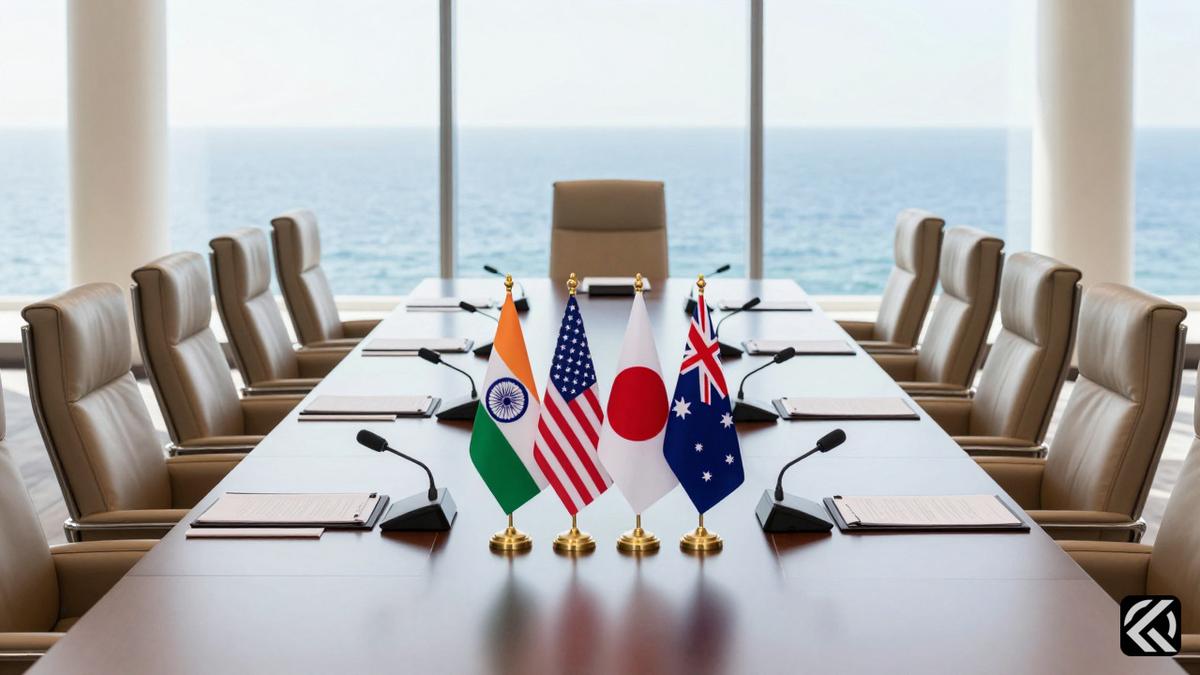
Quad Summit Manila: Modi, Trump Focus on Indo-Pacific Security
Nov 17, 2026 10:43 UTC
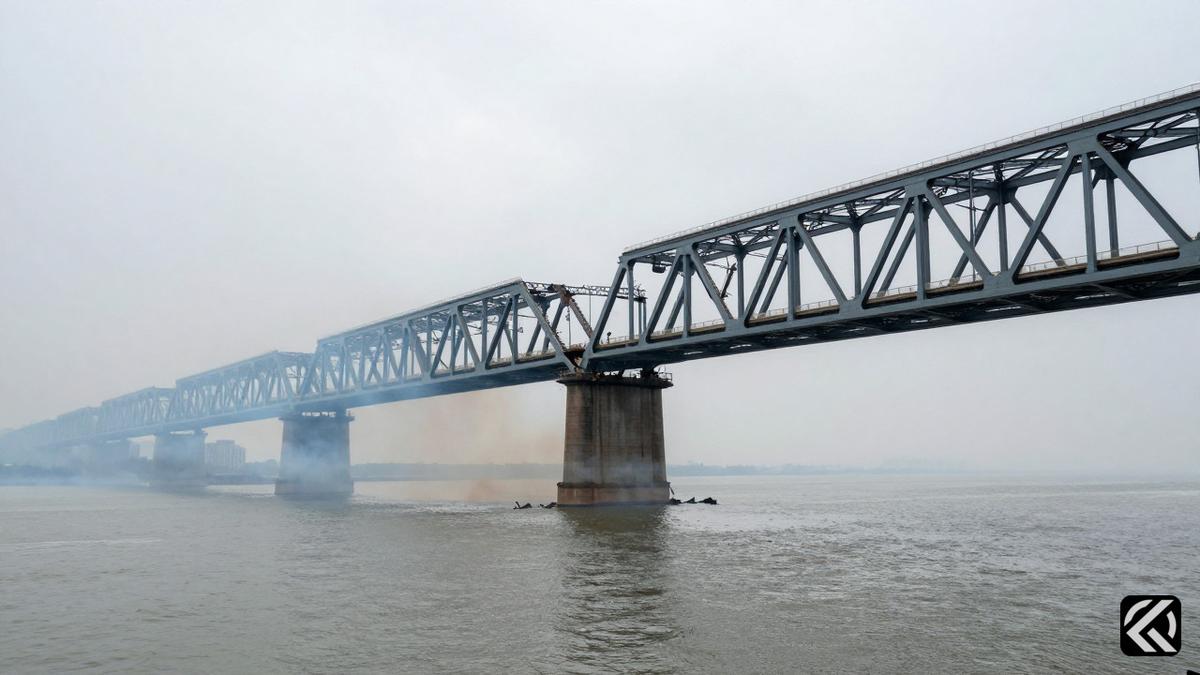
Ukraine Strike Collapses Crimean Bridge Ahead of Diplomatic Talks
Nov 16, 2026 16:25 UTC
Beijing Claims Historic Significance for Trilateral Talks in Shenzhen
Nov 17, 2026 16:45 UTC
US Intel Warns of Iran Dirty Bomb Plot in DC