Section
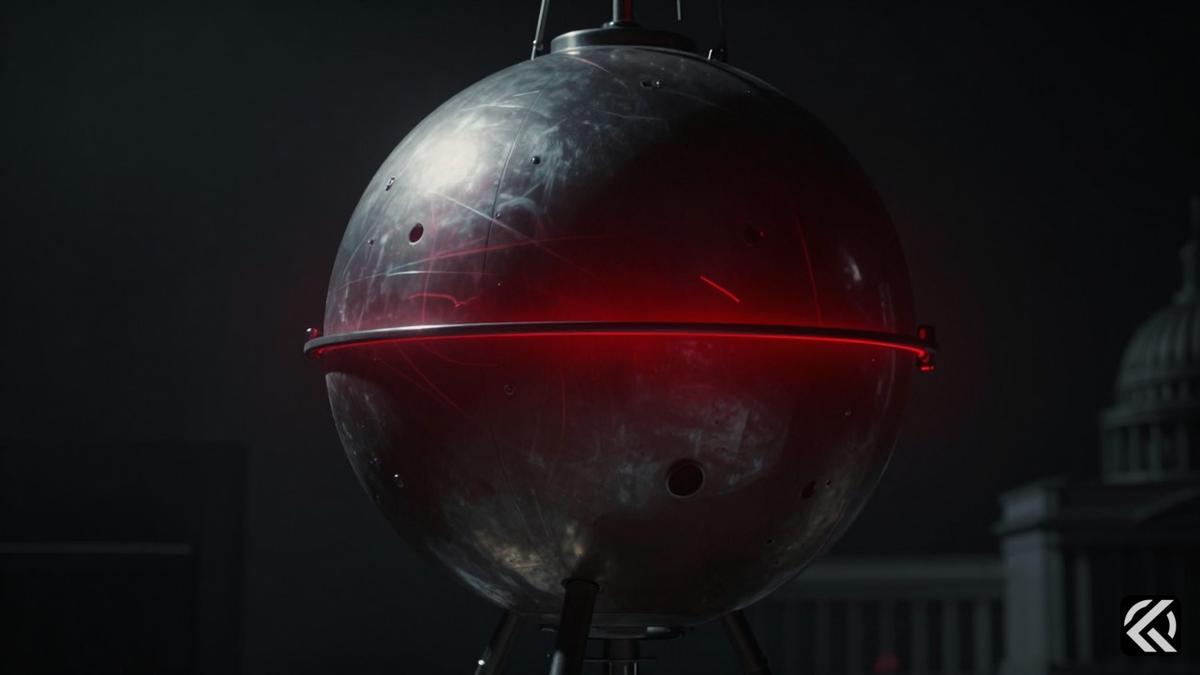
New US intelligence reveals Iran is plotting a dirty bomb attack in Washington, sparking urgent contingency measures despite official denials of immediate danger.
New US intelligence indicates that Iran is developing plans to target senior Trump administration officials by detonating a so-called dirty bomb or a chemical weapon in Washington, DC, according to seven US officials. Sources familiar with the latest intelligence characterized the Iranian planning as, for now, an effort to give itself options rather than an indicator of an imminent attack. However, the plotting picked up by the US has been very specific, including locations and targets, and has sparked a flurry of US contingency planning.
In a statement, White House spokesperson Lauren Bis said that the US is “monitoring any and all potential threats, but at this time there are no credible threats to the homeland.” American officials, however, view the intelligence as a signal of an alarming willingness to escalate by Iran as it faces intense pressure from ongoing US military strikes and a punishing economic blockade. This intelligence shows that Tehran is now actively planning for potential attacks inside US territory, even if there is no evidence they have decided to move forward yet.
“Whether they actually have the personnel in place to execute is a matter of debate,” one of the sources said. With stuttering diplomatic talks to end the conflict ongoing, President Donald Trump declared last week that the war would be over “fairly soon.” But the behind-the-scenes urgency to guard against this latest threat underscores the unstable and unpredictable nature of what has proven an intractable conflict. The risk remains that the price of the war Trump started in February could come home to Americans in ways that go beyond the gas pump.
Two of the sources said that officials have held several meetings over the past week to discuss how to counter the threat, planning that one source described as “prudent.” This activity coincides with threats from Iran prompting the Secret Service to move Treasury Secretary Scott Bessent into military housing last week. Asked about CNN’s reporting on Tuesday, President Donald Trump said Iran would “pay a price the likes of which no country has ever paid before” if it attacked Washington, adding that the administration was taking the matter “seriously.”
Homeland Security Secretary Markwayne Mullin, meanwhile, called Iran’s planning “aspirational,” adding that it did not constitute a “new threat.” Iranian plotting against current and former US officials, including a murder-for-hire plot against Trump in 2024, has been ongoing since the president’s first administration and largely concentrated on opportunities to kill US officials while they were traveling overseas.
Officials cautioned that the United States is incredibly vulnerable to an attack with unconventional weapons. Dirty bombs, which package radioactive materials into a conventional bomb, are relatively easy to assemble. Iran would not necessarily need to smuggle trained operatives into the country: It would merely need to convince a person already living inside the United States to carry out the attack. US intelligence has picked up Iranian chatter claiming that it has stashed bomb-making materials inside the United States, according to one of the sources.
Officials are divided over how credible that intelligence is, but broadly believe that it would be very easy, and is even likely, that Iran has already pre-positioned nuclear materials or chemical agents that could be laced onto a conventional weapon. “As porous as our border has been for the better part of ten years, it would have been extremely easy to get operatives inside the country” who could acquire and place bomb components, one of the sources close to the intelligence said. Many national security officials assume that pre-positioned nuclear materials have already been in the US for years, if not decades, another source said.
In other words, Iran’s capability to launch this kind of attack hasn’t grown, the second person said. What has changed is the Iranian incentive. The Defense Department referred to the Office of the Director of National Intelligence, which declined to comment. A spokesperson for the Iranian Mission at the United Nations in New York said in a statement that Iran “considers the use of chemical weapons under any circumstances to be wholly illegitimate and categorically rejects and unequivocally refutes the false and fabricated allegations circulated in this regard.” The spokesperson did not explicitly address the intelligence about a potential dirty bomb plan.
Iran’s Foreign Ministry spokesman Esmaeil Baghaei added in a social media post on Tuesday that those who started the war “are attempting to manufacture a veneer of legitimacy for further aggression and atrocities.”
A dirty bomb is much different from a nuclear bomb, which relies on a nuclear-fission reaction and would be exponentially more destructive. Dirty bombs can still disperse dangerous airborne radiation for blocks or even miles, but experts say that any casualties are likely to be caused by the bomb explosion, not radiation. While they are no harder to assemble than any conventional bomb, the hard part is acquiring the radioactive material.
“Any weapon like that is a weapon of terror, not a weapon of precision, just like a suicide bomber blowing themselves up,” said one of the sources familiar with the new intelligence. “They can make people really sick and certain areas uninhabitable.”
For the United States, one of the challenges may be catching the plot ahead of time: A key surveillance law that allows officials to collect foreigners’ communications expired in June amid a standoff between the White House and Congress over Trump’s then-acting director of national intelligence, Bill Pulte. Surveillance orders approved prior to June are grandfathered in until March 2027 - but unless Congress acts, national security officials have warned that they are poised to lose one of their most effective tools for catching terrorist plotting.
In a letter sent to the Republican and Democratic leaders of both chambers last week, Attorney General Todd Blanche, Director of National Intelligence Jay Clayton and CIA Director John Ratcliffe urged reauthorization of the law, arguing that delay would “(put) the lives of both Americans in the homeland and our troops stationed abroad at risk in the heightened threat environment briefed to the Gang of 8.” Lawmakers in the so-called Gang of 8, including the four leaders and the bipartisan leaders of the House and Senate Intelligence Committees, were briefed on Iran several days before the letter was sent. It is not clear whether the briefing specifically addressed the specific dirty bomb or chemical weapon threat to Washington.
US officials are also closely watching another stream of intelligence that suggests Iran may use chemical weapons against American troops stationed in the Middle East, according to two of the officials. The New York Times first reported those concerns. Several officials stated flatly that US troops do not have adequate protective equipment or training to guard against such an attack. Those concerns have prompted a parallel contingency planning effort focused on ensuring diplomatic and intelligence personnel in the region have the necessary equipment and training to protect themselves if targeted by an Iranian chemical weapons attack, one of the sources familiar with the recent intelligence told CNN.
The swirling set of escalating threats comes as the United States and Iran remain locked in conflict in the Strait of Hormuz. Struggling talks to end the American blockade, open the strait and bring an end to hostilities have so far failed to produce results. Even as one source in the region emphasized that both sides want to reach a deal, for now, neither appears poised to make any meaningful concessions. One regional source stressed that the next several weeks will be critical for reaching any sort of agreement - during which time certain parties could look to play “spoiler.” Among those to watch are Iranian hardliners or rogue elements of the regime who have benefitted from the war and could be incentivized to launch an attack to keep the conflict going.
One of the US officials emphasized that Iran understands the risk of retaliation it would bring upon itself if it moved to use either of these weapons, either in the Middle East or in the United States. But if Iranian leaders come to view the survival of the regime as in question, they may consider it worth the risk.
The convergence of specific intelligence regarding a dirty bomb plot and the expiration of critical surveillance authorities creates a precarious security environment. With diplomatic talks stalled and no meaningful concessions from either side, the window for a negotiated resolution is narrowing. The potential for rogue actors to exploit this instability remains high, suggesting that future weeks could witness either a dramatic escalation in asymmetric attacks on US soil or a sudden, unexpected diplomatic breakthrough. The lack of adequate protective equipment for troops and the potential loss of surveillance tools amplify the urgency of these ongoing contingency plans.
Nov 17, 2026 16:45 UTC
US Intel Warns of Iran Dirty Bomb Plot in DC
Nov 17, 2026 12:48 UTC
Quad Summit Manila: Modi, Trump Focus on Indo-Pacific Security
Nov 17, 2026 10:43 UTC
Ukraine Strike Collapses Crimean Bridge Ahead of Diplomatic Talks
Nov 16, 2026 16:25 UTC
Beijing Claims Historic Significance for Trilateral Talks in Shenzhen
Nov 17, 2026 16:58 UTC
PM Modi Urges Global Stability at Asean-India Summit