Section
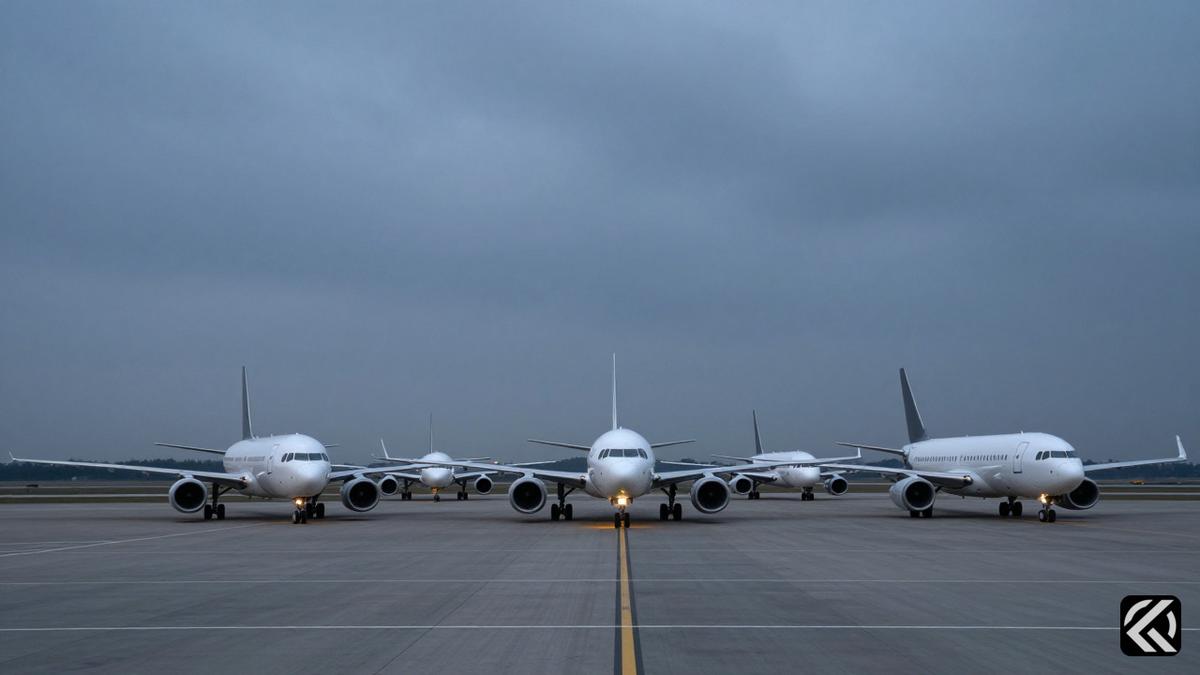
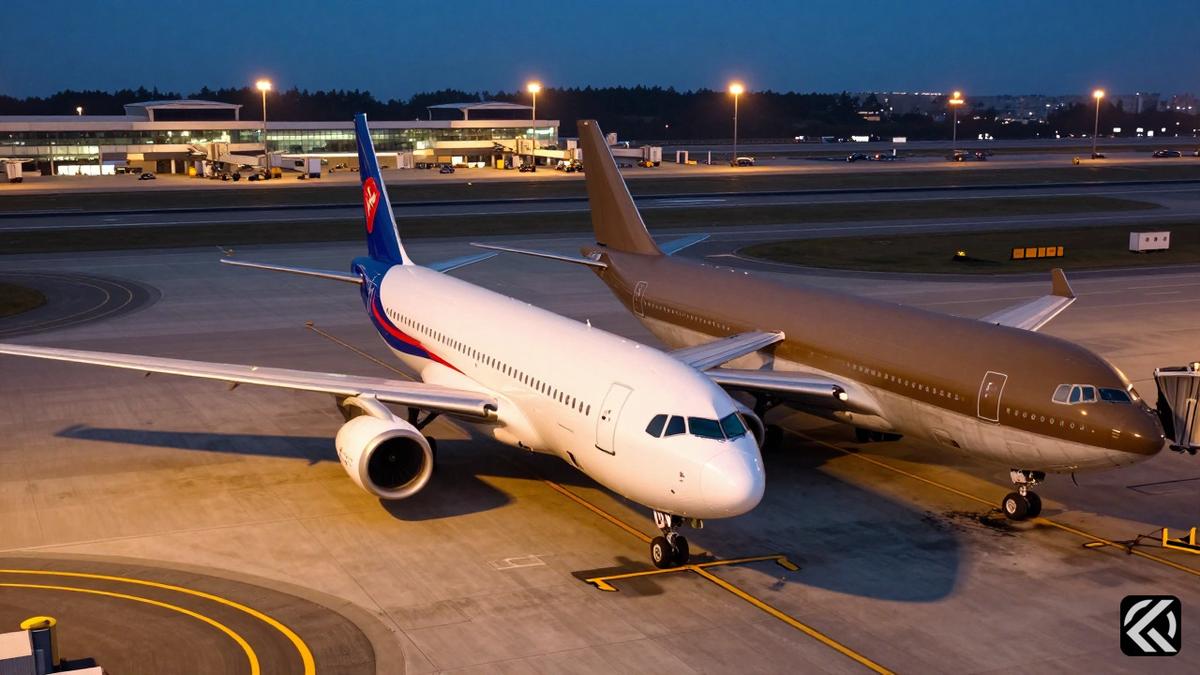
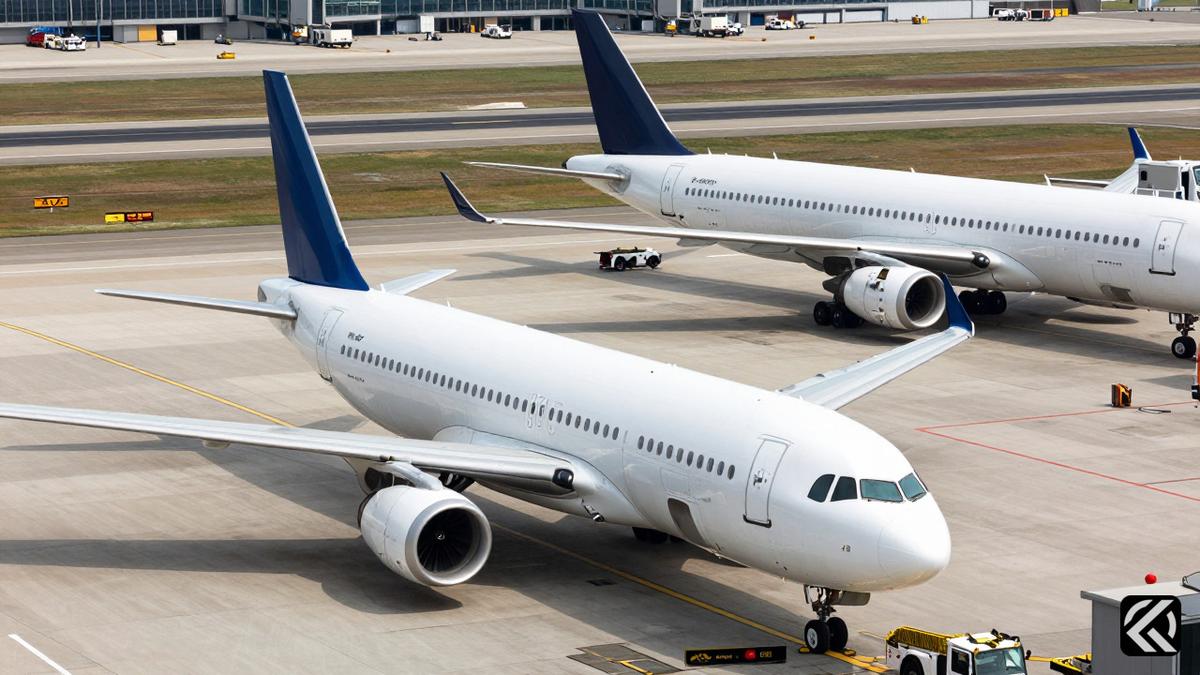
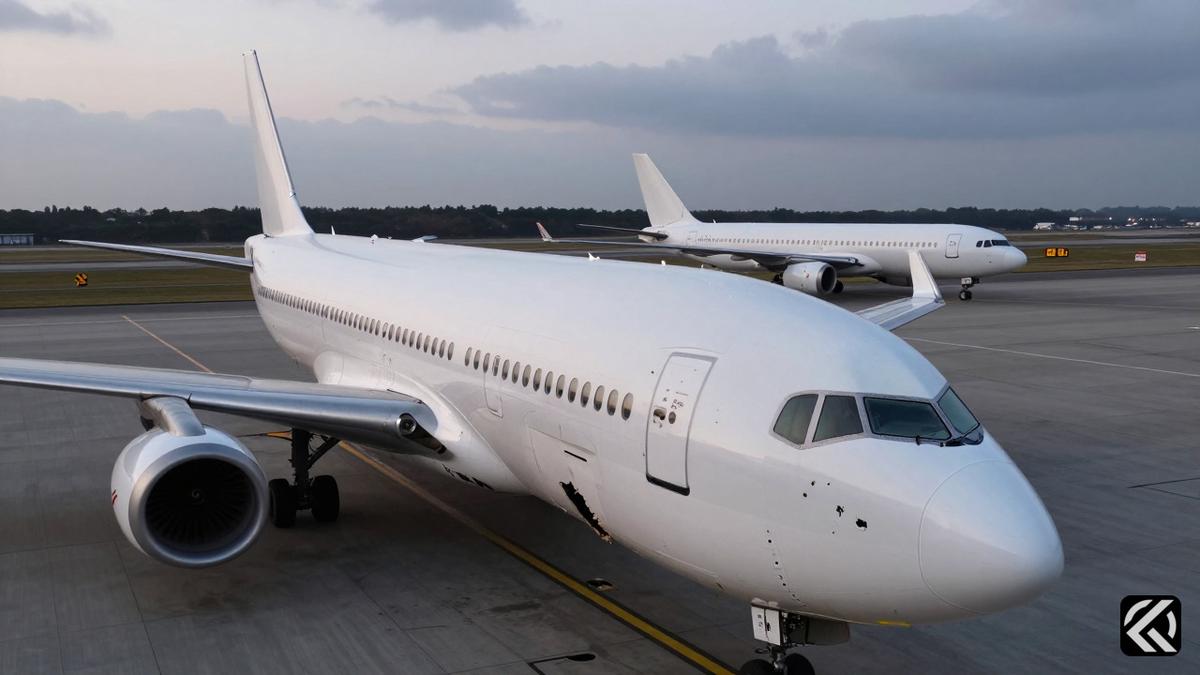
Chaos erupted across US skies as a technical failure triggered a rare national ground stop, leaving thousands stranded and prompting urgent calls for system modernization.
The US experienced a massive disruption to its aviation network on Friday as a critical technical failure triggered a rare national ground stop, effectively halting all commercial departures nationwide. This unprecedented event left thousands of passengers stranded and caused significant chaos across major airports, highlighting severe vulnerabilities in the nation's infrastructure.
The immediate trigger occurred when the Federal Aviation Administration (FAA) announced at 15:54 EST that all flights scheduled to depart from the US would be grounded until further notice. At that precise moment, more than 3,500 airplanes remained in the air. The decision was made after failures in a key communication system connecting air traffic controllers and pilots. Officials, including a spokesperson identified as Duffy, revealed that a router located in El Dorado, Arkansas, had "flooded our network," causing the system-wide collapse. While the ground stop was lifted after approximately four and a half hours, the ripple effects persisted for days, with authorities acknowledging that airplanes and crews were left "out of position," requiring time to recover.
The human and operational toll was immediate and severe. Passengers found themselves stuck in impossible situations: some were trapped inside planes on the tarmac, unable to take off or return to their gates, while others were stranded in terminals, sleeping on floors and desperately attempting to contact their airlines. CBS reported the severity of the backlog, noting that more than 5,000 flights were delayed and 2,000 were cancelled on Sunday alone. The disruption did not stay within US borders; the US air-traffic control system failure had a knock-on effect on schedules around the world, leading to cancellations for flights originating out of the UK and Europe. On Saturday, the damage was even more extensive, with airlines cancelling more than 5,900 flights and delaying over 7,000 others.
In response to the crisis, the political reaction was swift and pointed toward systemic neglect. President Donald Trump took to Truth Social on Sunday, urging US lawmakers to allocate immediate funds for infrastructure upgrades. He emphasized the urgency of the situation, stating, "we can get it built quickly and efficiently." In his post, Trump criticized the age of the current infrastructure, noting that much of the air control system is 50 years old and describing the current state as "RIDICULOUS!" He argued that the work should be done "all at once, not in drips and drabs," promising that the new infrastructure "will be the BEST SYSTEM anywhere in the World."
Speaking to the BBC, Trump offered a stark assessment of the national infrastructure, suggesting that the country had allowed its aviation network to decay. "I think most of us could look at this and go 'this is a system in the United States that we have allowed to decay'. It is worse than a fixer-upper," he said. His calls for legislative support were mirrored by officials involved in the investigation. Duffy told NBC's Meet The Press that the administration decided to ground flights following the system failures and stressed that issues would continue to arise until major modernizing changes are implemented. "Let's not lie to each other," Duffy stated, emphasizing the need for substantial investment in a network that has been "neglected for decades." He asserted that the system requires a complete overhaul to prevent future collapses.
Investigators are still working to determine the root cause and assign blame for the technical failure. However, the consensus among officials and the President is that the current hardware is insufficient for modern demands. The router incident in El Dorado served as the catalyst, but the underlying issue is portrayed as a decades-long lack of maintenance and upgrade funding. The chaos at airports, the stranded passengers, and the global schedule disruptions serve as tangible evidence of the risks associated with relying on aging technology. The administration’s push for immediate funding signals a shift from incremental repairs to a comprehensive restructuring of how air traffic is managed in the United States.
The recent events underscore that the US air-traffic control system is at a critical juncture, requiring immediate and substantial legislative action to prevent future disruptions. Based on the scale of the 3,500+ airborne planes affected and the subsequent week-long cancellation backlog, it is evident that a single point of failure in the network can cripple national and international travel. If Congress does not approve the requested funding for a complete overhaul, as urged by President Trump, similar technical collapses are likely to recur. The long-term impact will depend on the speed of implementation; delayed modernization will continue to leave millions of passengers vulnerable to chaos, while a swift, comprehensive upgrade could restore global confidence in US aviation reliability.
Nov 17, 2026 16:45 UTC
US Intel Warns of Iran Dirty Bomb Plot in DC
Nov 17, 2026 12:48 UTC
Quad Summit Manila: Modi, Trump Focus on Indo-Pacific Security
Nov 17, 2026 10:43 UTC
Ukraine Strike Collapses Crimean Bridge Ahead of Diplomatic Talks
Nov 16, 2026 16:25 UTC
Beijing Claims Historic Significance for Trilateral Talks in Shenzhen
Nov 15, 2026 12:45 UTC
Miami Airport Collision: Copa and UPS Planes Clash on Runway