Section
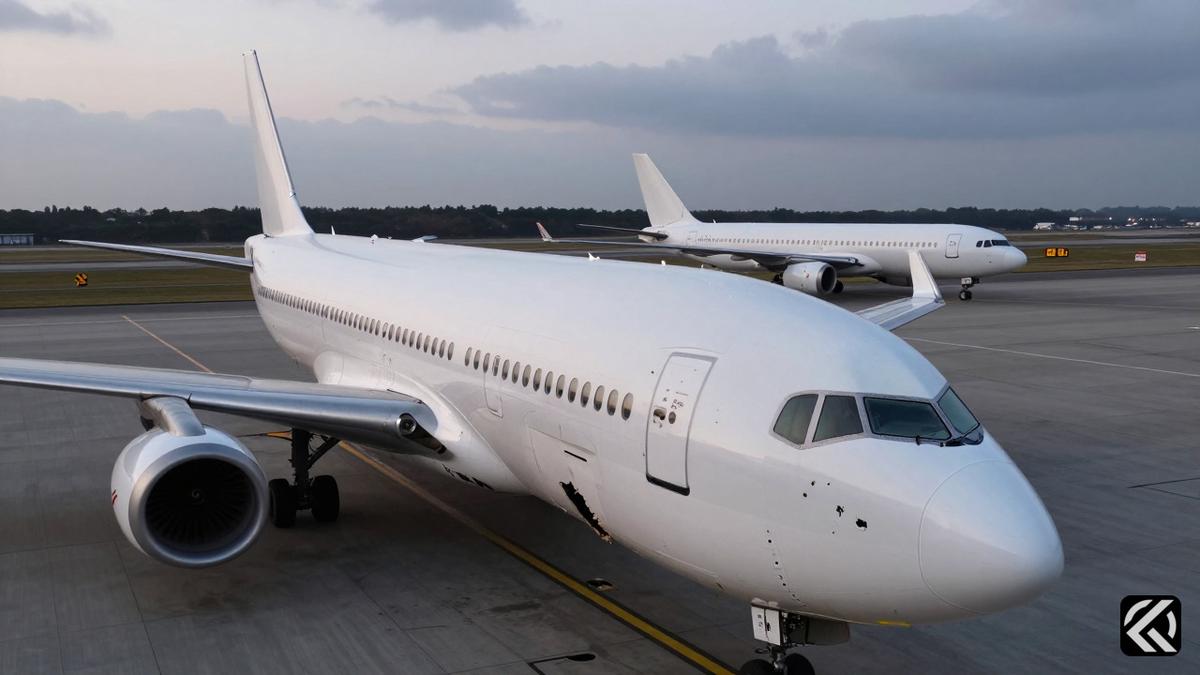
Just days after a national grounding caused widespread chaos, a dramatic collision on the Miami tarmac has raised new safety concerns for travelers.
The tarmac at Miami International Airport collision site became the focus of intense scrutiny late Saturday night, just 24 hours after a nationwide flight grounding threw millions of travelers into chaos. The incident involved a Copa Airlines Boeing 737 and a UPS Boeing 767, marking a disturbing escalation in operational safety concerns following the recent FAA ground stop.
The collision occurred around 9:15 p.m. while both aircraft were taxiing. According to the Federal Aviation Administration (FAA), the wingtip of the Copa Airlines Boeing 737 struck the nose of the UPS Boeing 767. Greg Chin, the airport’s communications director, confirmed to CNN that two people were injured in the crash. Both victims were treated at the scene by fire and rescue teams, with Chin noting that their injuries were minor.
Passengers aboard the Copa flight described a chaotic scene as the impact occurred. Cesar Ferreira, a passenger, recounted the moment of collision to CNN. “The wingtip of a Copa Airlines Boeing 737 struck the nose of a UPS Boeing 767 while the airplanes were taxiing,” the FAA stated regarding the mechanics of the crash. Ferreira described the experience as sudden and terrifying. “We were taxiing after landing at a normal speed when, all of a sudden, I heard the chatter around me getting louder, followed by a collective scream and then the impact of another aircraft hitting ours,” Ferreira said.
He noted the physical jolt of the accident: “Inside the cabin, we felt the plane jerk abruptly sideways. At first, some passengers started freaking out, but the Copa crew reacted quickly, getting everyone to remain seated.” The rapid response of the cabin crew helped prevent panic from escalating further during the critical moments immediately following the crash.
Air traffic control audio released by authorities provides critical insight into the sequence of events leading to the impact. The audio captures the pilot of the Copa Airlines flight stating, “Somebody hit us,” as the controller sought confirmation from the UPS crew. The UPS pilot’s reply was direct and admitting of error: “Yeah, we went too far, and then he, he clipped us with the wing.”
The FAA indicated that air traffic controllers had instructed the UPS crew to give way to the Copa flight prior to the incident. This directive suggests a potential failure in adherence to traffic control instructions or a misjudgment of distance by the UPS crew. The agency has launched a full investigation to determine the precise causes of the collision.
The timing of this incident is particularly sensitive. The collision happened just one day after a nationwide flight grounding caused widespread cancellations and travel chaos across the United States. Airports are currently struggling to resume normal flight operations following the FAA ground stop on Friday, which left many passengers sleeping on terminal floors while waiting to have their flights rebooked. This recent history of operational strain highlights the fragility of the current aviation system.
UPS Airlines addressed the incident in a brief statement, noting it is “committed to working with authorities to determine what happened” and confirming that its crew was safe. Copa Airlines also released a statement expressing regret for the disruption and reaffirming that the safety of passengers and crew is their top priority. They promised to cooperate fully with the ongoing investigation.
Visual evidence from the scene shows the extent of the damage to the UPS aircraft. A photo reveals the nose of the cargo plane was crumpled, with a gaping hole in the panels, indicating the force of the impact despite the minor nature of the injuries to those on board. The Copa flight, which had just landed in Miami from Panama City, Panama, was taxiing when it was struck. Meanwhile, the UPS flight was gearing up to takeoff for Bogotá, Colombia, when the collision occurred.
Following the impact, the captain of the Copa flight announced that there was no imminent danger after about 10 minutes. A tug was brought in to move the plane back to the terminal. All 166 passengers and six crew members have since disembarked safely. The airline confirmed the plane was returned to the terminal, allowing for further inspections and repairs.
The Copa pilot’s communication with air traffic control further detailed the damage sustained. Later in the audio transmission, the pilot remarked, “It seems that we are missing the left wingtip,” confirming visible structural damage to the passenger jet. This detail underscores that while injuries were minor, the physical impact on the aircraft was significant.
The collision at Miami International Airport serves as a stark reminder of the vulnerabilities within the aviation network, especially in the aftermath of the recent nationwide grounding. The immediate proximity of this incident to the FAA's earlier ground stop suggests that the system may still be experiencing residual stress from the massive disruption. As airports work to normalize flight paths and manage increased traffic volumes, the margin for error appears to have narrowed. The admission by the UPS pilot that they "went too far" points to potential issues in communication or situational awareness during high-density taxiing operations. Future investigations will likely focus on whether the recent chaos contributed to procedural lapses. For now, the aviation industry must address these safety concerns to restore public confidence. The incident highlights the critical need for robust traffic management protocols as the sector attempts to recover from the previous day's widespread cancellations and travel gridlock.
Nov 17, 2026 16:45 UTC
US Intel Warns of Iran Dirty Bomb Plot in DC
Nov 17, 2026 12:48 UTC
Quad Summit Manila: Modi, Trump Focus on Indo-Pacific Security
Nov 17, 2026 10:43 UTC
Ukraine Strike Collapses Crimean Bridge Ahead of Diplomatic Talks
Nov 16, 2026 16:25 UTC
Beijing Claims Historic Significance for Trilateral Talks in Shenzhen
Nov 15, 2026 22:18 UTC
Trump Demands Overhaul After Rare US Ground Stop Chaos