US President Donald Trump considers direct naval intervention in the Strait of Hormuz while global markets react to escalating conflict and infrastructure attacks.
President Donald Trump has indicated a potential shift in naval strategy regarding the Strait of Hormuz amidst escalating tensions. Speaking to CBS News, the US leader stated he is considering direct intervention to keep the vital waterway open. This declaration comes as the conflict between Iran and the United States enters its eleventh day, with hostilities extending across multiple nations in the region including Bahrain, Kuwait, and Saudi Arabia.
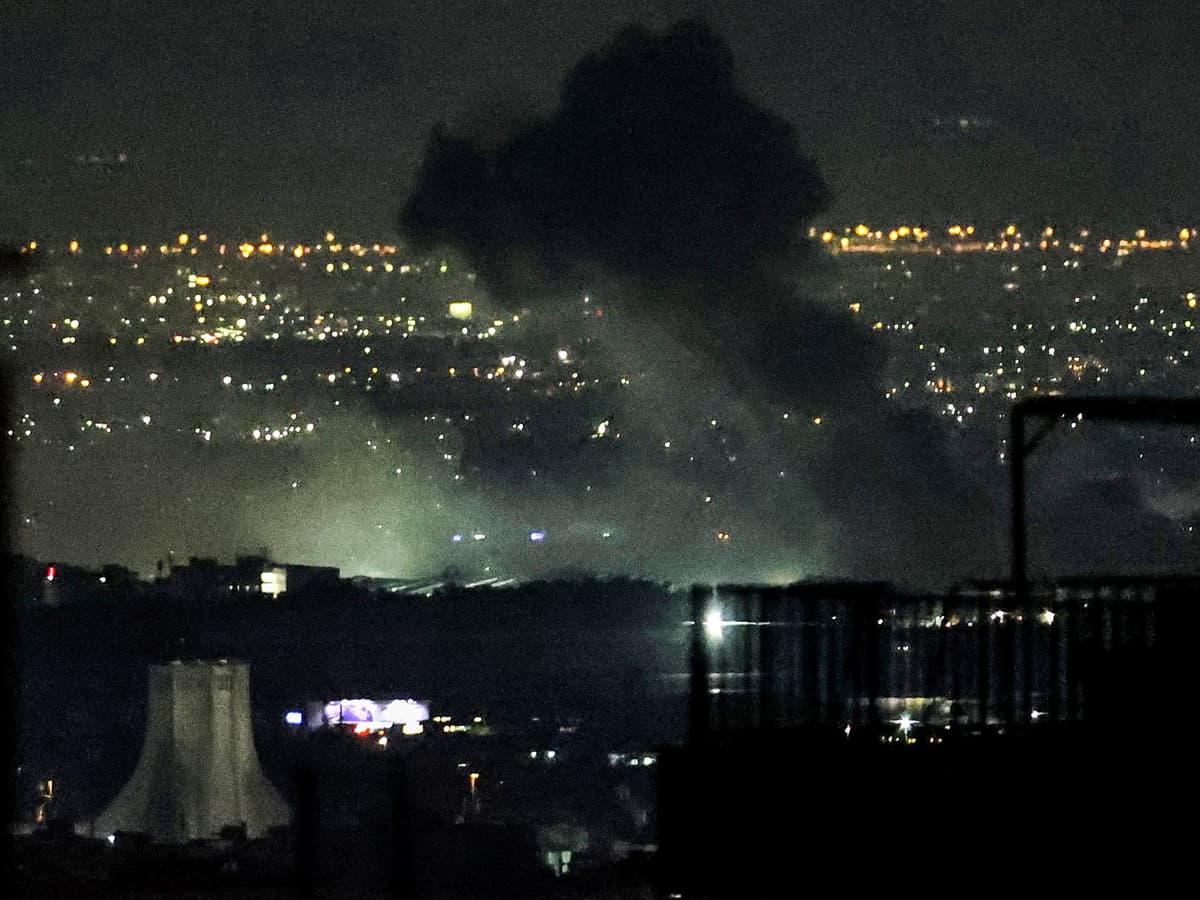
The war has triggered significant volatility in global energy markets. Ebrahim Jabari, an adviser to Iran’s Revolutionary Guard Corps, declared on March 2 that the strait is closed and warned of attacks on oil pipelines. He predicted prices would reach $200. Consequently, Brent crude prices surged past $119 a barrel before settling around $93. Infrastructure damage compounds the crisis; QatarEnergy halted LNG production following attacks on Ras Laffan, while Saudi Aramco shut down its Ras Tanura refinery after a fire caused by intercepted drones. Amin Nasser, CEO of Aramco, warned that prolonged disruption could lead to catastrophic consequences for the global economy.
While Trump threatened to hit Iran twenty times harder if oil flow is stopped, legal experts question the feasibility of occupation. Alexander Freeman from Hill Dickinson noted that the US lacks jurisdiction under UNCLOS without consent from Iran and Oman. The strait covers sovereign territorial waters rather than international waters. Despite this, Trump suggested US Navy escorts might accompany vessels as soon as possible. French President Emmanuel Macron also confirmed preparations for a purely defensive mission involving European and non-European allies to escort ships once the intense phase of the war subsides.
Iranian leadership remains firm against diplomatic solutions. Kamal Kharazi, an adviser to the supreme leader, dismissed negotiations due to perceived deception by Trump during previous talks. Analysts suggest Iran aims to unleash chaos to destabilize regional markets and force a US ceasefire. Scott Lucas from University College Dublin noted that worsening domestic situations for Trump could open opportunities for Gulf states to request a pullback. Trump expects the war to conclude quickly, yet warns of escalated retaliation if the strait is blocked. With mid-term elections approaching in November 2026, pressure on the administration to halt the war may intensify if fuel prices surge again.

The situation remains volatile as military actions continue against assets in Bahrain, Kuwait, and the UAE. Trump expects the war to conclude quickly, yet warns of escalated retaliation if the strait is blocked. Ultimately, the intersection of military capability, legal sovereignty, and economic pressure defines the unfolding crisis.
Jun 9, 2026 02:39 UTC
US Warplane Strikes Tanker MT Marivex; Crew Evacuated in Gulf of Oman
Join 50,000+ readers getting the global briefing every morning.
No spam. Unsubscribe anytime.
Jun 9, 2026 00:00 UTC
INDIA Bloc Leaders Gather in Delhi to Forge Strategic Unity
Jun 8, 2026 22:55 UTC
Netanyahu Vows Forceful Response to Future Iran Attacks
Jun 8, 2026 20:56 UTC
Netanyahu Halts Iran Fighting, Vows Future Force
Jun 8, 2026 20:54 UTC
Justice Department Moves to Strip Citizenship from 17 Individuals