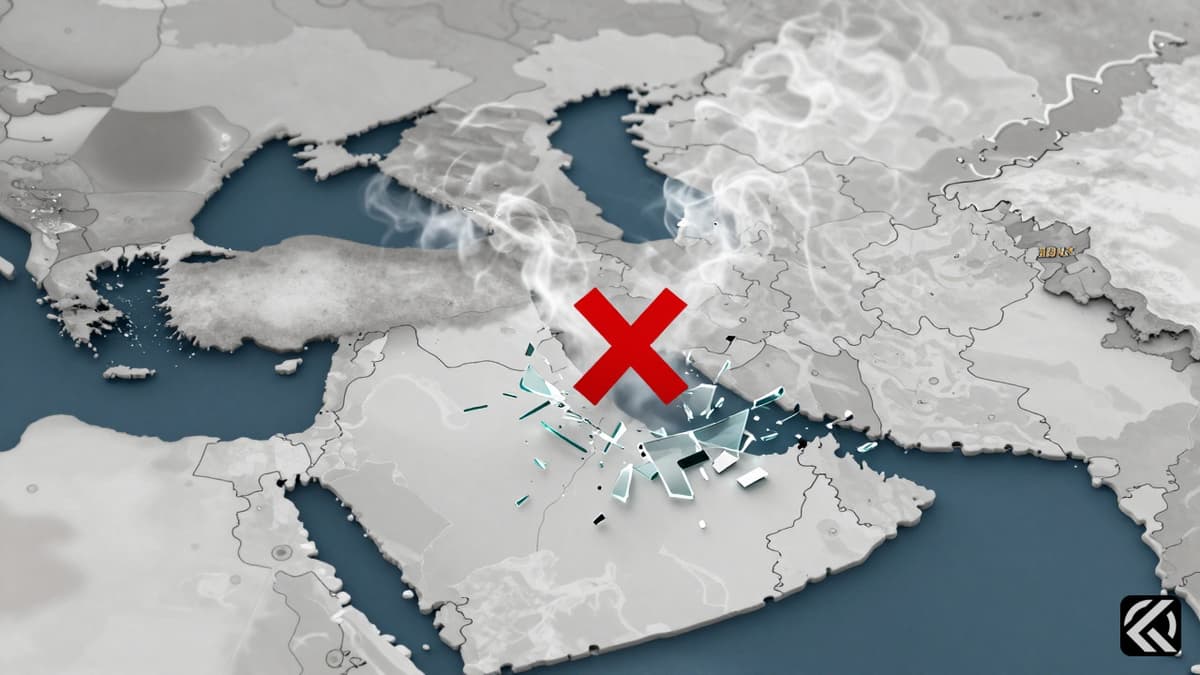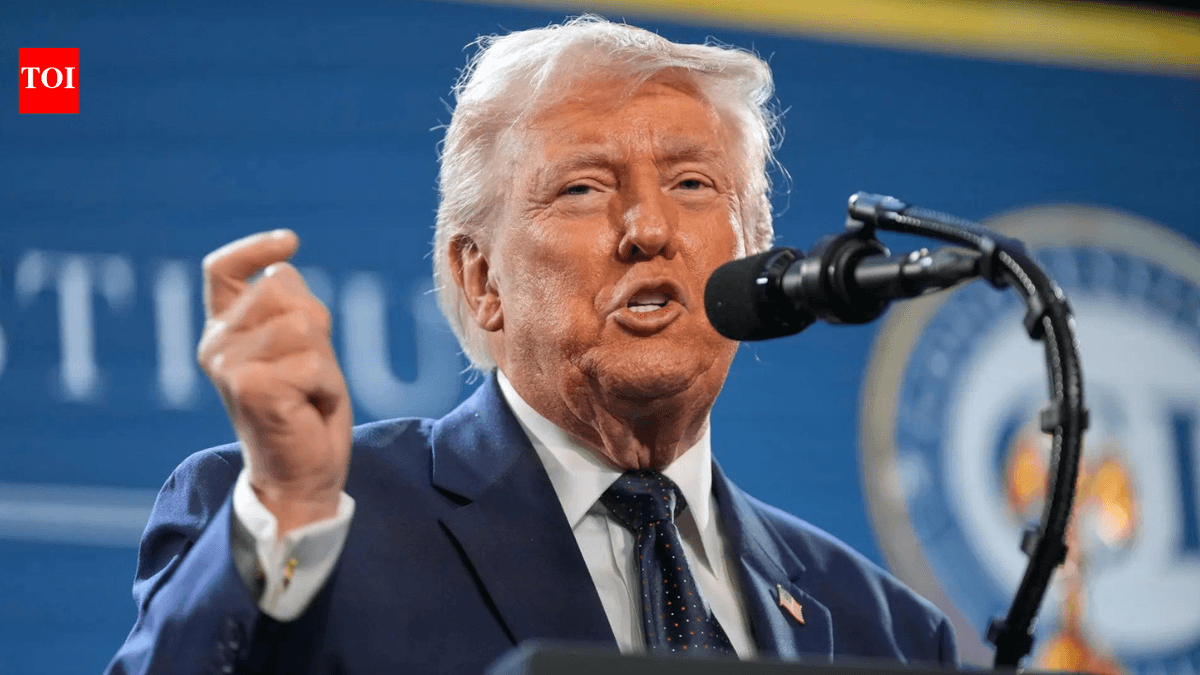
President Trump claims the conflict is nearing its end after declaring total military dominance over Iranian naval and air capabilities in a recent Florida address.
US President Donald Trump has made a definitive declaration regarding the ongoing hostilities involving the United States and Iran, asserting that the war is poised to conclude shortly. Speaking during a news conference held in Florida, the American leader characterized the military engagement as a "short term excursion" designed to neutralize specific threats. Despite indicating that the conflict was going to "end soon," Trump did not provide a specific timeline for this anticipated conclusion. The President emphasized his administration's determination to achieve ultimate victory, stating that while significant progress has been made, the current level of success is insufficient to fully resolve the long-running danger posed by Tehran.
In his latest remarks, the US leader described the military action as a necessary "excursion" undertaken to remove specific adversaries from the region. This framing suggests a temporary intervention rather than a prolonged occupation or indefinite war. Trump told attendees that he expected the situation to be resolved quickly, noting that any attempt by Iran to restart hostilities would result in even more severe consequences. He reiterated earlier sentiments expressed during a CBS interview where he described the war as "very complete." According to the President, the opposing forces have been depleted significantly, with claims that Iran possesses no navy, no communications infrastructure, and no air force remaining.
A central pillar of Trump's argument regarding the potential end of the conflict is the extent of damage inflicted by US and allied forces. He highlighted the destruction of Iran's military capabilities, specifically pointing to the elimination of missile sites and launchers. During a news conference, he stated that approximately 80 percent of these launchers have been destroyed by the United States and Israel. The President described the actions taken by the US military as "amazing," suggesting a level of operational success that supports his claim that the war is effectively over in terms of Iran's ability to retaliate. He further noted that very few launchers remain, reinforcing the idea that the threat has been substantially mitigated through these strikes which began on February 28.
Despite declaring victory, Trump issued a stern warning to Tehran regarding any future attempts at resistance. He cautioned that if Iran tried "anything cute," the United States would end the nation entirely. This rhetoric was echoed in his CBS interview where he stated, "They better not try anything cute or it's going to be the end of that country." The President made it clear that a second wave of aggression would trigger an even harsher response, potentially erasing Iran from the map so completely that "you'd never hear the name again." He framed these actions as necessary defenses against what he termed "evil terrorists and lunatics," asserting that the United States will not be threatened any longer.
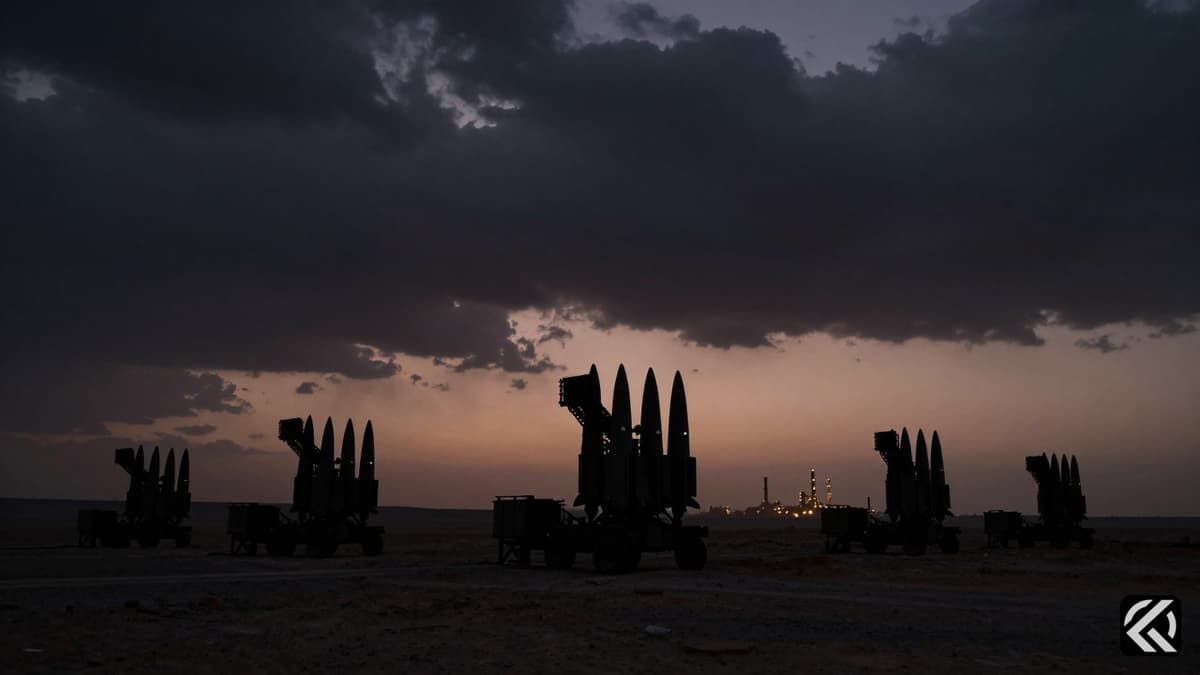
The administration has justified the strikes by alleging that an Iranian attack was imminent without US intervention. Trump claimed that if the United States and Israel had not attacked first, Iran would have initiated an attack within a week with 100 percent certainty. He alleged that Tehran was ready to strike both the United States and Israel, utilizing missiles far more numerous than previously anticipated. The President also raised concerns regarding nuclear capabilities, suggesting that if Iran possessed a nuclear weapon, they would have used it on Israel as part of this major planned attack. This narrative serves to validate the preemptive nature of the US-Israeli strikes which began at the end of February.
While the President speaks of an imminent end to the conflict, there appears to be a divergence in messaging from official defense channels. Trump's latest remarks came approximately one hour after the Pentagon released a statement on social media indicating that the United States had "only just begun to fight." This creates a contrast between the President's declaration of victory and the military leadership's suggestion of ongoing operations. Despite this, Trump maintained his stance that unconditional surrender was previously the only acceptable outcome but now sees the war as nearing its conclusion due to the damage already inflicted on Iranian capabilities.
The current trajectory of the conflict between the United States and Iran appears to be entering a critical phase according to President Donald Trump. While he asserts that military dominance has been achieved through the destruction of key infrastructure and that the war is effectively complete, he maintains that ultimate victory requires continued determination. The stark warnings issued against Tehran highlight the high stakes involved, with the threat of total annihilation for any further attempts at aggression. However, the conflicting signals from the Pentagon suggest that the operational reality may differ slightly from the President's public declarations regarding the immediate conclusion of hostilities.
Jun 8, 2026 22:55 UTC
Netanyahu Vows Forceful Response to Future Iran Attacks
Join 50,000+ readers getting the global briefing every morning.
No spam. Unsubscribe anytime.
Jun 8, 2026 20:56 UTC
Netanyahu Halts Iran Fighting, Vows Future Force
Jun 8, 2026 20:54 UTC
Justice Department Moves to Strip Citizenship from 17 Individuals
Jun 8, 2026 18:37 UTC
Trump Denied War Pledge Despite Clear Campaign Records
Jun 8, 2026 18:27 UTC
INDIA Bloc Unanimously Demands Education Minister’s Resignation