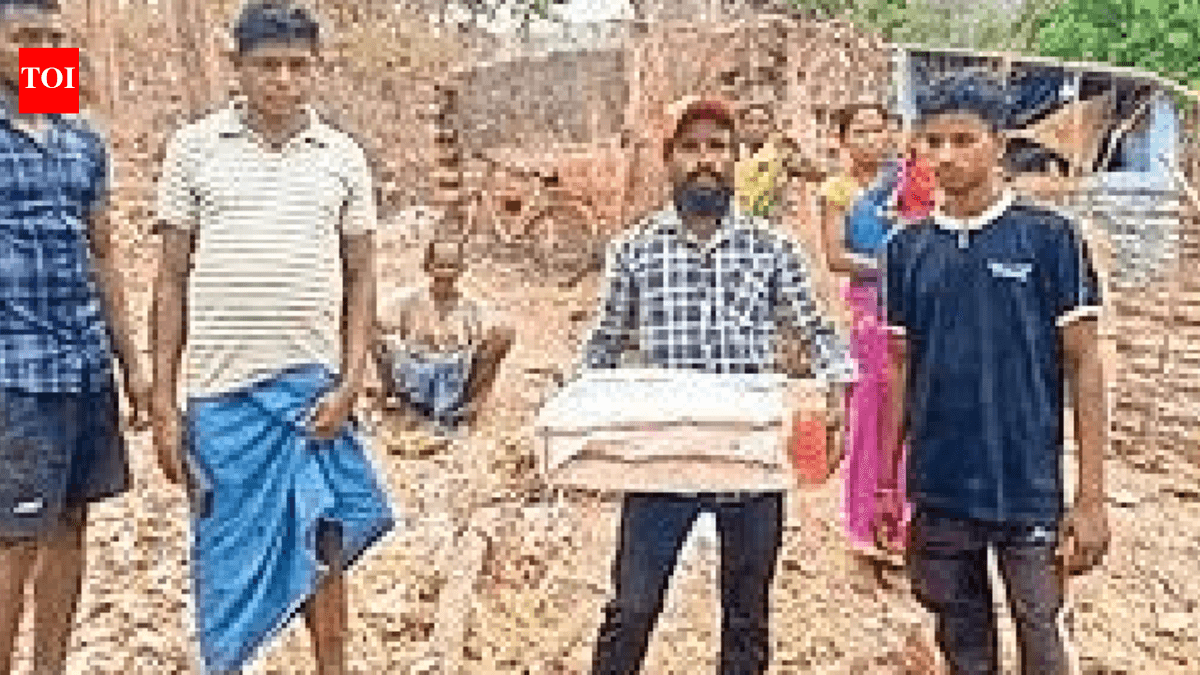
A probe has been ordered after a video surfaced showing a man transporting his stillborn child in a cardboard box following alleged denial of ambulance services at a Jharkhand hospital.
A deeply distressing situation has emerged from the West Singhbhum district in the state of Jharkhand, bringing significant attention to the operational protocols within local healthcare facilities. The incident involves a father who was compelled to transport the remains of his stillborn child using makeshift means after seeking assistance for medical transportation. This event gained widespread public attention once footage of the situation circulated through social media platforms, prompting immediate administrative intervention from health department officials. The core of the controversy revolves around the alleged refusal of ambulance services by hospital authorities, a claim that stands in direct contrast to the official stance provided by the facility's leadership. As investigations are launched to determine the veracity of these claims, the incident highlights critical questions regarding patient rights and emergency response mechanisms within the region.
The sequence of events leading up to this tragic outcome began on March 5, when a pregnant woman named Rita Tiriya was admitted to the sub-divisional hospital located in Chakradharpur. Her husband, Ramkrishna Hembram, a daily wager from Bangarasai village, accompanied her during this admission. The medical team conducted a check-up on Saturday, which is when the situation took a turn for the worse. During this examination, hospital staff were unable to detect a foetal heartbeat, indicating a severe complication in the pregnancy. Consequently, the patient was referred for an ultrasound procedure to further assess the condition.
However, before the ultrasound could be fully completed, the mother began to experience labour pains. In the midst of this medical urgency, she delivered a baby that had passed away prior to birth. The delivery resulted in a stillborn child, leaving the family in immediate grief and requiring urgent logistical support for the remains. It was at this critical juncture that the dispute regarding transportation arose. Ramkrishna Hembram stated that he formally requested an ambulance to transport the body of his deceased child back to their home, which is situated approximately 12 kilometers away from the hospital premises. According to the family's account, officials at the facility did not approve this request for a medical vehicle.

A significant divergence exists between the narrative provided by the grieving father and the explanation offered by the hospital administration. Hembram alleges that after his request was denied, ward boys insisted on the prompt removal of the body from the facility. Faced with this pressure and lacking official transport, the family reportedly scavenged a discarded cardboard box from within the hospital premises to contain the remains. The body was then packed into a grocery bag before being transported home via an e-rickshaw, a mode of transport that stands in stark contrast to the emergency medical services required for such sensitive situations.
In response to these allegations, Dr. Anshuman Sharma, the hospital in-charge, provided a different perspective on the events. He stated that the woman remained at the hospital while the family was instructed to complete the last rites of the baby. Crucially, Dr. Sharma asserted that no formal request for an ambulance was made by the patient’s family during their time at the facility. He clarified that had any such request been submitted, the hospital would have arranged a Mamata Vahan, which is available on-site at the hospital. This discrepancy in accounts forms the central point of contention that necessitates further investigation into the interactions between the staff and the family members during that period.
Following the viral spread of the video depicting the father carrying the box, the health department moved quickly to address the allegations. Additional Chief Secretary Ajoy Kumar Singh took serious note of the matter, acknowledging the gravity of the situation. He announced that a thorough probe would be conducted to investigate the specific allegations raised by the family and reported in the media. The official stance from the state government is clear: if the allegations regarding the denial of services are found to be true upon investigation, stern action will be taken against those involved in the decision-making process. This announcement signals a commitment to accountability within the health administration, ensuring that any failures in protocol or conduct are addressed appropriately by the relevant authorities.
The incident in Chakradharpur is not an isolated occurrence of distressing transportation issues for families dealing with loss in the region. A similar and equally troubling report was documented from the Chaibasa Sadar Hospital, also located within West Singhbhum district. This previous incident occurred on December 19 of the previous year. In that case, a man was forced to carry the body of his four-month-old son inside a plastic bag due to financial constraints preventing him from hiring an ambulance. The distance in that instance was significantly greater, requiring the father to board a public bus for a journey spanning approximately 70 kilometers back to his home. These recurring reports suggest a pattern of challenges regarding emergency transport and the dignity afforded to grieving families during medical crises within the district's healthcare infrastructure.
The dissemination of this news was accelerated by social media platforms, where the video of the man carrying the body in a cardboard box went viral. This digital exposure played a pivotal role in bringing the issue to the forefront of public discourse and administrative attention. Without the widespread sharing of this footage, it is possible that the situation might not have triggered an immediate high-level response from the health department leadership. The viral nature of the content underscores the power of digital platforms in holding institutions accountable and ensuring that critical failures in service delivery are brought to light for regulatory review.
The ongoing investigation into this matter aims to clarify the specific interactions that occurred between the family and hospital staff on March 5 and Saturday. The health department has committed to ensuring transparency through a detailed inquiry into the availability of transport services and the responsiveness of the administration. As the probe proceeds, the focus remains on verifying whether the denial of an ambulance actually occurred or if the communication breakdown lies elsewhere in the reporting chain. The resolution of this case will likely inform future protocols regarding emergency transport for medical remains within the district's hospitals, ensuring that such distressing experiences are minimized for families in the future.
Jun 9, 2026 20:58 UTC
Trump Demands U.S. Action as Iran Shoots Down Second Aircraft
Join 50,000+ readers getting the global briefing every morning.
No spam. Unsubscribe anytime.
Jun 9, 2026 18:37 UTC
Israel Strikes Tyre Despite Iranian Warnings
Jun 9, 2026 16:42 UTC
IAB Framework Data Practices and User Privacy Choices
Jun 9, 2026 16:07 UTC
Madhya Pradesh Congress Departs for Bengaluru to Avoid Rajya Sabha Elections Pitfalls
Jun 9, 2026 14:27 UTC
US Sea Drone Saves Army Helicopter Crew Near Strait of Hormuz