A contentious dispute arises following a devastating school strike in Iran, challenging official narratives with video evidence and investigative reports while diplomatic tensions rise.
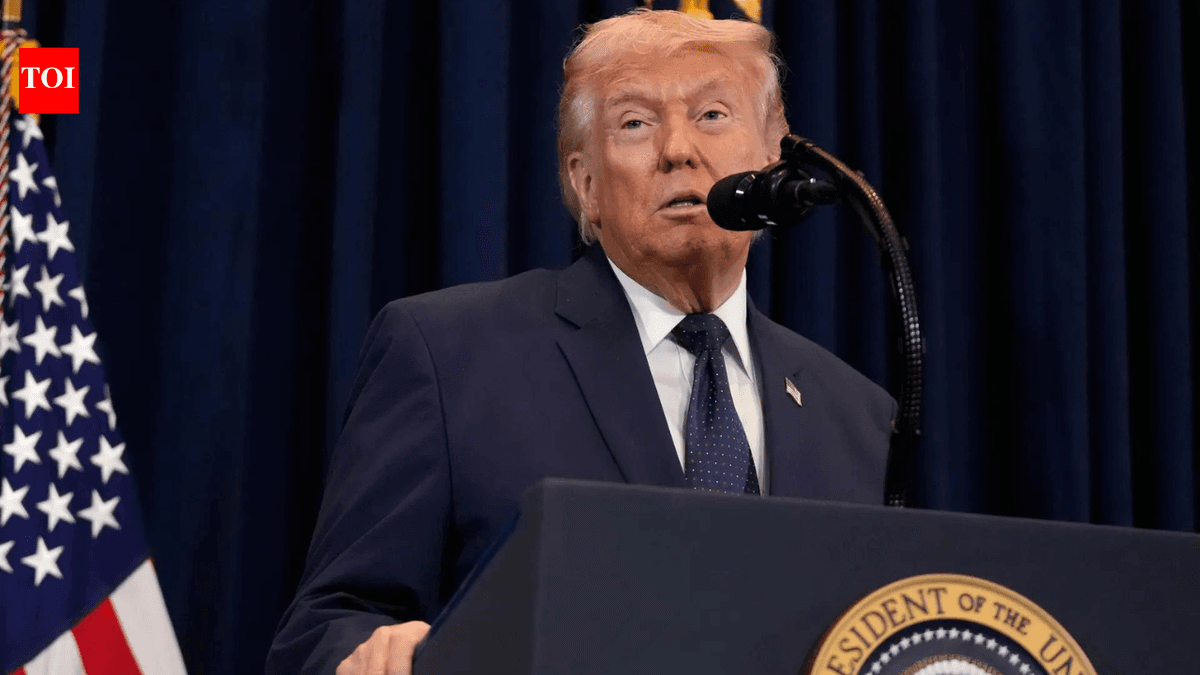
The geopolitical landscape has been shaken by a series of contradictory statements and alarming footage emerging from southern Iran. At the center of this crisis is a devastating explosion that struck an elementary school in the city of Minab, resulting in significant loss of life. While Iranian officials have placed blame squarely on United States and Israeli forces, the American administration’s response has introduced confusion regarding the weapon systems used. President Donald Trump has faced scrutiny over his handling of the situation, particularly when questioned about specific military hardware involved in the incident.
A primary point of contention involves the type of munition used during the attack. Reports suggest a Tomahawk cruise missile may have been responsible for the strike. This weapon system is widely recognized as being operated exclusively by the United States military in the current conflict. However, President Trump publicly stated he does not know enough about reports indicating the missile struck the school. When pressed by reporters on how Iran could utilize such technology, Trump suggested that other nations might possess or purchase these weapons. He remarked that the Tomahawk is a powerful weapon used and sold by various countries, noting that Iran also has some of them. Despite this assertion, the administration admitted the matter is currently under investigation.
The controversy is bolstered by visual documentation that appears to contradict the President's initial dismissal of the weapon type. A report published by The New York Times authenticated video released by Iran’s semi-official Mehr News Agency. This footage depicts what appeared to be a Tomahawk missile striking a structure in close proximity to the school. The visual evidence showed dust and smoke rising from the direction of the educational facility shortly after explosions occurred near a nearby military installation.
Independent analysts have weighed in on this visual data as well. Investigative group Bellingcat, along with analysts cited by the Associated Press, reviewed both the video and satellite imagery. Their collective assessment concluded that the munition visible in the footage was likely a Tomahawk cruise missile. The strike took place near facilities linked to Iran’s Islamic Revolutionary Guard Corps, including a naval base and a medical clinic. This timing coincides with US military briefings confirming that American forces targeted naval sites near the strategic Strait of Hormuz on the same day as the large-scale strikes began across the country.

The human cost of the incident has been described as severe by Iranian authorities, who state that more than 150 people were killed in the attack. Many of the victims are believed to be children. In response to these casualties, images of funerals and coffins draped in Iranian flags have been aired on state media, some bearing photographs of the deceased children. Iranian President Masoud Pezeshkian has directly accused the United States and Israel of attacking the school.
Conversely, the Israeli military stated it had no knowledge of a strike on a school. Spokesman Nadav Shoshani informed reporters that the army was not aware of any Israeli or American strike occurring at that location. US Secretary of State Marco Rubio addressed the situation by stating Washington would not intentionally target a school. He confirmed that the Pentagon is examining the incident, reiterating that US objectives are focused on missiles and their launch capabilities rather than civilian infrastructure.
The discrepancy between the President’s statements and the investigative findings has created a complex narrative regarding the conflict. While the US government maintains that they would not deliberately target a school, the authenticated video evidence suggests otherwise. This situation is likely to have a significant impact on US-Iran relations moving forward. Public opinion polls indicate that reactions vary from increased tensions significantly to potential diplomatic discussions instead. The incident has highlighted the challenges in verifying information during active conflict zones, where official statements and physical evidence often diverge. As investigations continue into the specific circumstances of the strike near the naval base, the international community watches closely to see how these conflicting narratives will be reconciled.
The incident in Minab has created a significant rift between official government statements and on-the-ground evidence. President Trump’s uncertainty regarding the specific weapon used, contrasted with independent analysis confirming the likely use of a US-operated Tomahawk missile, complicates the diplomatic narrative. As Iranian officials mourn over 150 victims and accuse Washington of targeting civilians, the United States maintains that schools were not the intended target. The ongoing investigation by the Pentagon will be crucial in determining the future trajectory of relations between the two nations following this tragic event.
Jun 9, 2026 02:39 UTC
US Warplane Strikes Tanker MT Marivex; Crew Evacuated in Gulf of Oman
Join 50,000+ readers getting the global briefing every morning.
No spam. Unsubscribe anytime.
Jun 9, 2026 00:00 UTC
INDIA Bloc Leaders Gather in Delhi to Forge Strategic Unity
Jun 8, 2026 22:55 UTC
Netanyahu Vows Forceful Response to Future Iran Attacks
Jun 8, 2026 20:56 UTC
Netanyahu Halts Iran Fighting, Vows Future Force
Jun 8, 2026 20:54 UTC
Justice Department Moves to Strip Citizenship from 17 Individuals