Government officials confirm attempts to stabilize the market while prioritizing essential services during the ongoing shortage.
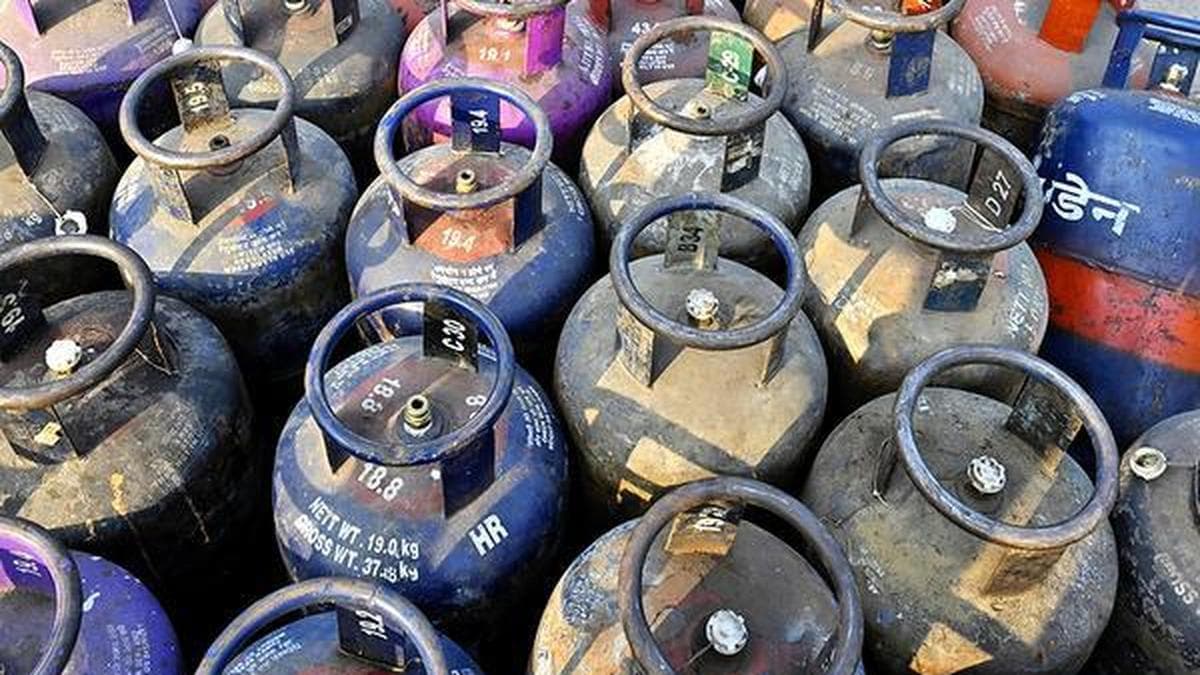
Union Minister of State for Petroleum and Natural Gas Suresh Gopi addressed reporters in Thrissur on Thursday, March 12, 2026. He confirmed that active efforts are currently underway to bring the ongoing LPG crisis under control. Furthermore, he indicated that new avenues are opening up for India to secure additional supply of the fuel. This statement follows a similar inquiry raised by Union Minister Hardeep Singh Puri in Parliament the previous day regarding the same critical issue. The dialogue between officials suggests a high-level focus on resolving the energy deficit before it impacts daily life further. Both ministers represent a coordinated governmental response to ensure stability during this volatile period of global tension and domestic scarcity.
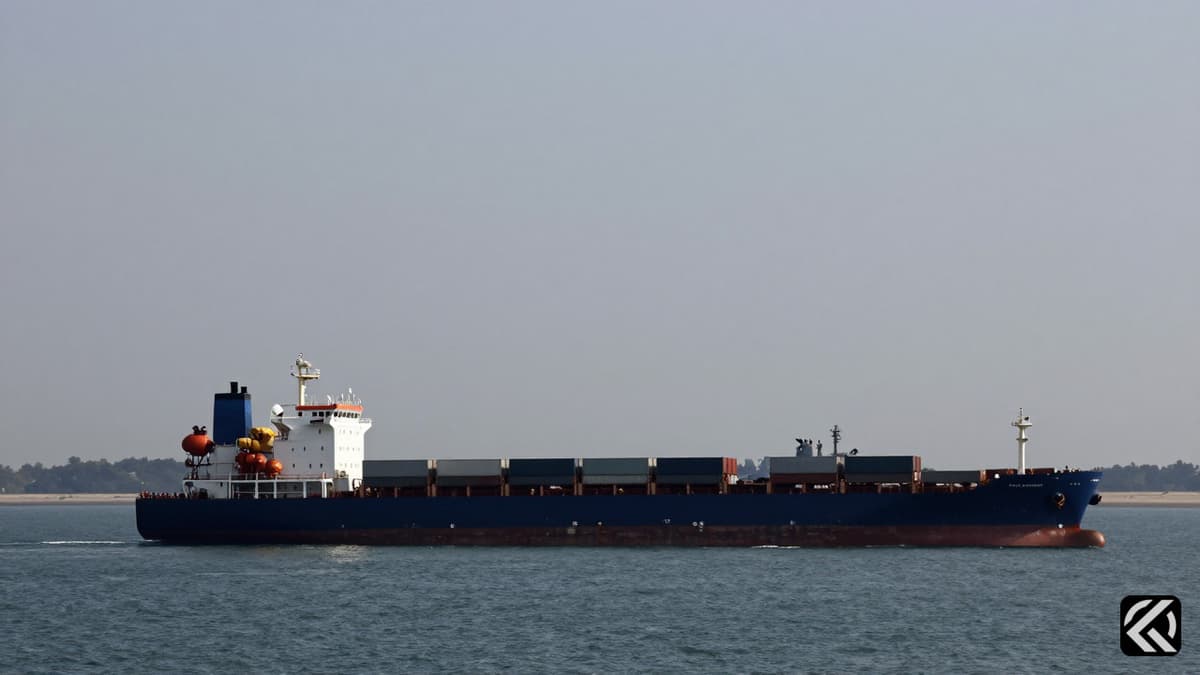
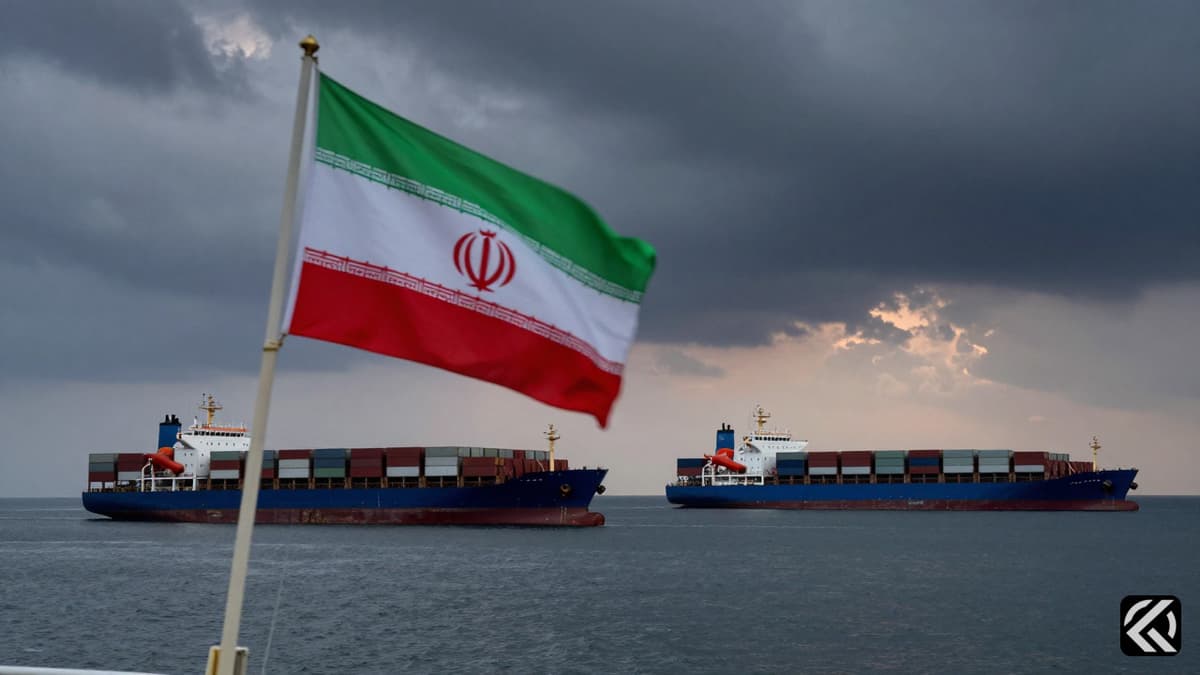
Speaking on the complexities of international logistics, Mr. Gopi highlighted that diplomatic sensitivities prevent the disclosure of specific details related to supply routes through the Hormuz Strait. He noted that the Prime Minister has personally engaged with various countries to address how the situation in the Hormuz Strait has affected lives. The government is actively seeking exemptions regarding these supply chains. While Mr. Gopi declined to provide exact data, he assured the public that ways are opening to acquire more LPG. This approach underscores the delicate balance between international relations and domestic energy security during times of crisis. He mentioned that Union Minister Hardeep Singh Puri had answered questions regarding the LPG crisis in Parliament on Wednesday, March 11, 2026. This sequence shows a coordinated government response to the escalating situation affecting citizens.
The Ministry has established a clear hierarchy for resource allocation during this period. Priority is being given to emergency utility services, specifically targeting hospitals and crematoriums. These critical sectors must remain functional despite the shortage. Despite these measures, Mr. Gopi acknowledged that while the ministry feels the situation is under control internally, they possess no right to control several technical aspects outside the country. This distinction highlights the limitations of domestic policy when global infrastructure faces disruption due to external geopolitical factors. The statement implies that while internal management is robust, reliance on foreign supply lines creates vulnerabilities that local administration cannot directly resolve without international cooperation.
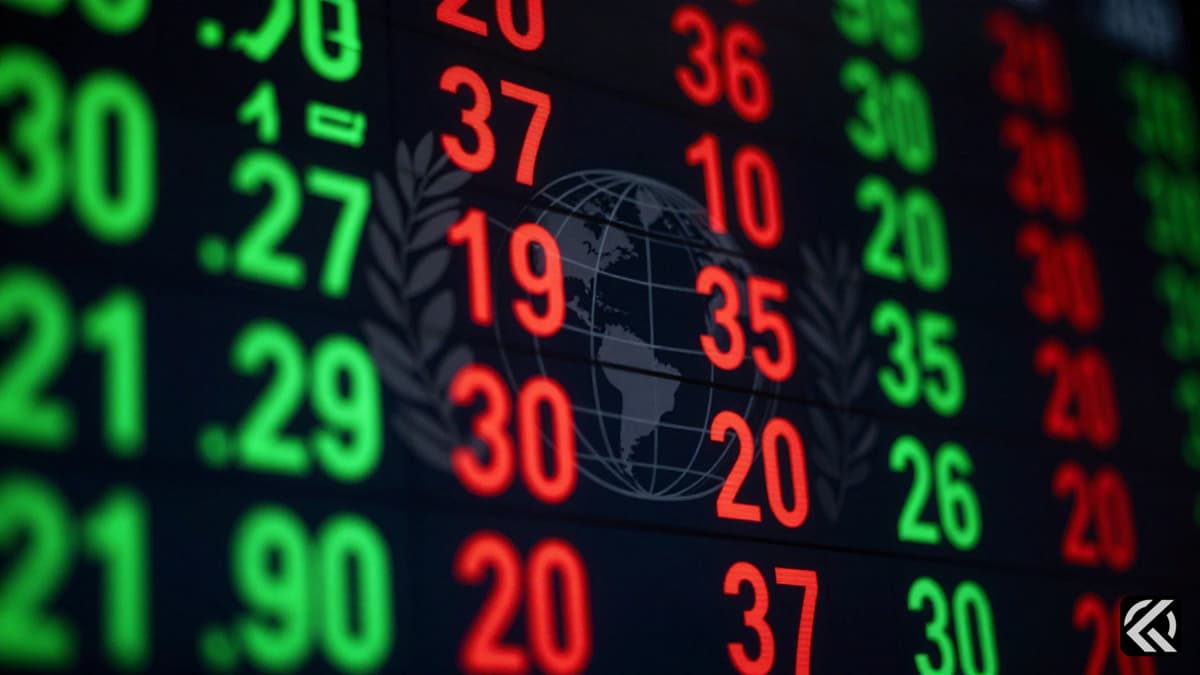
The economic implications are already visible in the financial markets. Oil prices surged more than 9% on Thursday, breaking back above $100 a barrel. This surge occurred after fresh Iranian strikes on supplies and infrastructure in West Asia overshadowed a record release of stockpiles by the International Energy Agency. Brent crude jumped 9.3% to $100.50, while West Texas Intermediate was up 8.8% at $94.92 at around 0305 GMT. On the ground, the shortage has affected commercial establishments as well. Indian restaurants have been forced to cut rava dosas, parottas, and pizza as the LPG shortage spreads across the nation. The timing of these price hikes coincides with the Minister's announcement, signaling a direct correlation between geopolitical tension and local utility costs.
The government is navigating a complex energy challenge driven by international conflicts and supply chain disruptions. While domestic efforts focus on essential services, global market volatility continues to impact availability and pricing for consumers and businesses alike. Officials remain cautious about external factors while managing internal expectations regarding future supply stability. The situation remains fluid as technical aspects outside the country continue to influence the national energy landscape significantly.
May 1, 2026 03:50 UTC
Trump Administration Declares Iran Conflict Terminated
Join 50,000+ readers getting the global briefing every morning.
No spam. Unsubscribe anytime.
May 1, 2026 03:50 UTC
Trump Administration Declares Iran Conflict Terminated
Apr 25, 2026 01:38 UTC
Iranian FM Araghchi Heads to Islamabad for Critical US-Iran Talks
Apr 25, 2026 01:13 UTC
Calm Suspect in Delhi Rape-Murder Case Faces Mental Evaluation
Apr 24, 2026 23:24 UTC
Raghav Chadha joins BJP, Shaking AAP’s Rajya Sabha Strength