Section
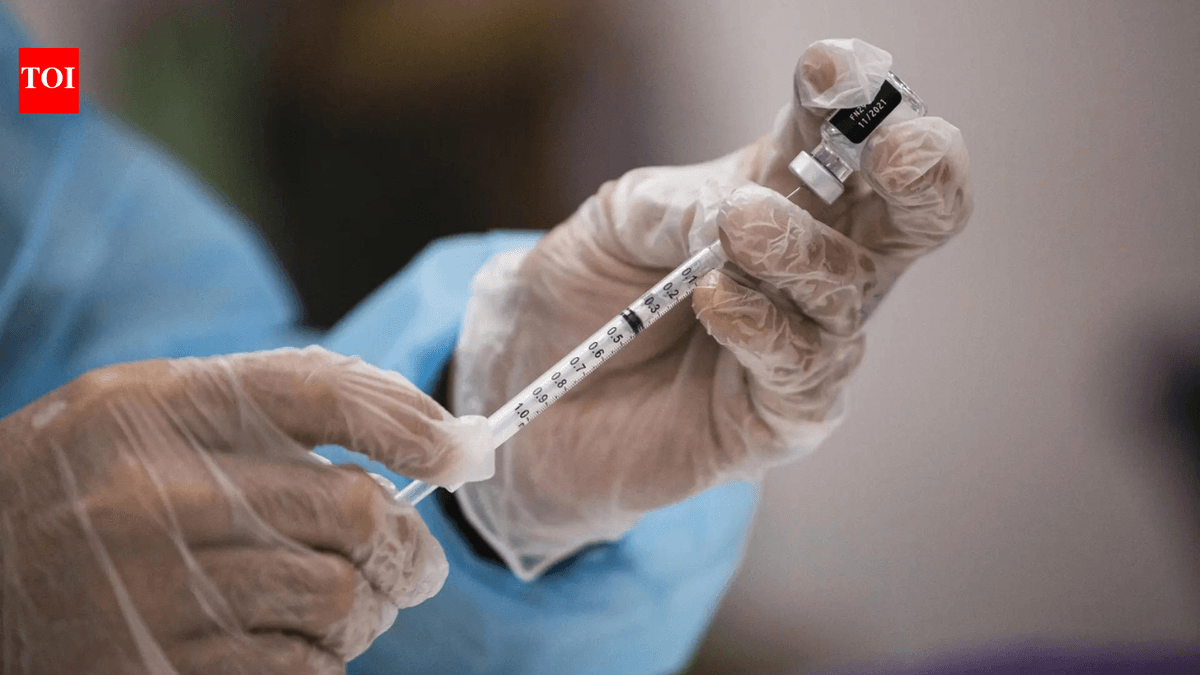
The apex court has issued a directive regarding compensation for adverse vaccine reactions without admitting government fault.
The Supreme Court has issued a significant directive regarding public health safety protocols, specifically concerning the aftermath of COVID-19 immunization drives. In a ruling delivered on Tuesday, a bench comprising Justices Vikram Nath and Sandeep Mehta instructed the Central Government to establish a comprehensive no-fault compensation policy. This order targets individuals who suffer from serious adverse effects resulting from the vaccination process. The court emphasized that while this new framework is necessary, the current system for monitoring adverse events following immunisation will remain in place. Furthermore, the apex court mandated that relevant data regarding these incidents must be periodically released into the public domain to ensure transparency and continued oversight of vaccine safety standards.
The primary focus of this ruling is the establishment of a financial support mechanism for victims without assigning blame. Justices Vikram Nath and Sandeep Mehta clarified that the introduction of such a compensation scheme should strictly not be interpreted as an admission of any fault by the government. This distinction is crucial for maintaining legal clarity while addressing humanitarian concerns. The bench also addressed the question of whether a specialized body was needed to assess these adverse effects. After reviewing the situation, the court concluded that a separate court-appointed expert body is unnecessary. They cited the existing mechanism for scientific assessment as adequate to handle the required evaluations without additional bureaucratic layers.
This verdict responds to specific legal pleas alleging severe consequences from the vaccination campaign. One significant petition highlighted tragic incidents where two women lost their lives in 2021 following their first dose of the Covishield vaccine. The petitioners alleged that both individuals suffered from severe adverse effects before succumbing to these complications. These allegations prompted judicial scrutiny into whether existing safety nets were sufficient for affected families. Additionally, this Supreme Court decision builds upon earlier interventions by regional courts. In 2022, the Kerala High Court directed the National Disaster Management Authority to expedite a policy for identifying deaths caused by immunisation after-effects and compensating dependents.
Justice V G Arun previously issued directions in Kerala requiring the NDMA to act within three months of an order dated September 1. During that period, Justice Arun noted his personal observation of three cases where individuals undergoing Covid-19 immunisation had succumbed to after-effects of vaccination. This historical context underscores a consistent judicial concern regarding the gap between safety protocols and compensation availability for families. The Supreme Court now aligns national policy with these regional concerns, ensuring that the Union of India frames a no-fault compensation policy applicable across the country.
This landmark decision aims to balance legal liability with public welfare, ensuring that those harmed by serious vaccine side effects receive support without complicating the government's legal standing. By reinforcing existing monitoring systems and mandating transparency, the court seeks to maintain trust in vaccination programs while addressing specific grievances raised by petitioners regarding fatalities linked to Covishield.
Jun 13, 2026 07:25 UTC
Trump Blames Iran for Attacks on Indian Ships
Jun 13, 2026 04:59 UTC
Abbas Araghchi Details Draft U.S. Deal Amidst Donald Trump's Drone Accusations
Jun 13, 2026 03:39 UTC
Jaishankar Lodges Strong Protest Over US Navy Attacks on Indian Crew
Jun 13, 2026 02:22 UTC
Border Guard Bangladesh Challenges BSF Over Immigrant Pushbacks
Jun 12, 2026 10:42 UTC
KEM Hospital Investigates Sejal Pawar Cadaver Controversy