A closer look at the strategic dynamics where a weaker opponent utilizes specific tactics against a stronger adversary to alter outcomes.
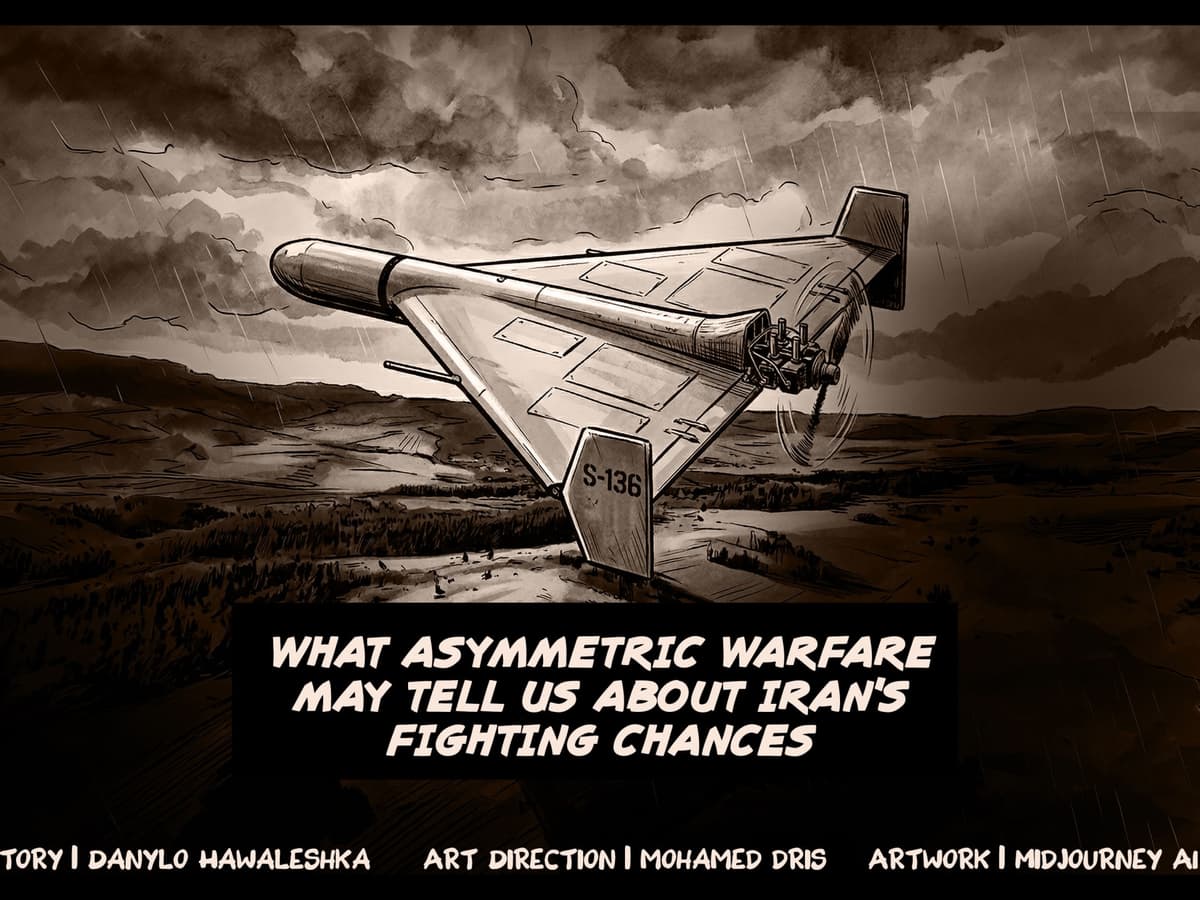
The landscape of modern conflict is defined by complex power dynamics where traditional strength does not always guarantee victory. When examining potential future engagements, it becomes necessary to understand how different nations approach warfare when their resources are not equal. The source material provides a critical insight into this dynamic, highlighting a specific pattern observed in military strategy. It suggests that in war, a weaker opponent will often resort to asymmetric warfare, a tactic Iran is likely to exploit against the US. This observation shifts the focus from direct confrontation to strategic adaptation and survival.
Understanding the implications of this statement requires looking beyond standard military comparisons. It suggests that the outcome of a conflict is not solely determined by conventional force but by the willingness and ability of a less powerful entity to change the rules of engagement. For international observers, this signals a shift in how fighting chances are calculated. The narrative moves away from who has more firepower to who can better utilize available unconventional methods.
The core principle identified in the analysis is that weaker opponents frequently resort to asymmetric warfare. This indicates a survival mechanism inherent in international relations during times of hostilities. When facing a superior force, the natural inclination is to avoid direct engagement where strength would lead to defeat. Instead, the strategy pivots toward methods that negate the opponent's advantages.
In this context, the definition of "weaker" is relative to the conflict at hand. The tactic is not merely a choice but often a necessity for those lacking conventional parity. By resorting to these specific tactics, the weaker party seeks to level the playing field. This approach fundamentally changes how military success is measured. It implies that fighting chances are not static; they fluctuate based on the adoption of these adaptive strategies.
The analysis specifically points to a likely scenario involving Iran and the United States. The text notes that Iran is likely to exploit asymmetric warfare tactics against the US. This suggests a recognition of the strategic posture Iran might adopt in any potential conflict. Rather than engaging in a symmetrical war where the US might hold a clear advantage, the focus shifts to exploiting vulnerabilities through alternative means.

This dynamic creates a unique challenge for the United States. Defending against asymmetric tactics requires a different set of preparations compared to defending against conventional forces. The fighting chances are therefore influenced heavily by how well the US can anticipate and counter these specific exploitation methods. It underscores that the relationship between these two nations involves more than just diplomatic relations but includes underlying strategic calculations regarding potential future hostilities.
The title of the source material asks what asymmetric warfare may tell us about Iran’s fighting chances. The provided text answers this by linking the tactic directly to the likelihood of exploitation. If a weaker opponent resorts to this method, it implies that the fighting chances are not zero despite the disparity in power. The adoption of asymmetric tactics suggests a belief that victory or significant disruption is possible through these means.
This perspective challenges the assumption that conventional superiority dictates the outcome. It posits that the ability to exploit specific weaknesses can alter the trajectory of a conflict. For Iran, utilizing this tactic could mean maintaining a viable position in a confrontation despite being the weaker opponent. For the US, it implies that standard defenses may need to be supplemented with counter-strategies tailored to asymmetric threats. The fighting chances are thus contingent on the execution of these tactics rather than just the inventory of military assets.
The strategic landscape involving Iran and the US is shaped by the potential use of asymmetric warfare. As noted in the source material, weaker opponents often resort to these tactics when facing stronger adversaries. By recognizing that Iran is likely to exploit this approach, analysts can better understand the factors influencing fighting chances. The focus remains on how strategic adaptation can alter the expected outcomes of a conflict between these two nations.
Jun 9, 2026 02:39 UTC
US Warplane Strikes Tanker MT Marivex; Crew Evacuated in Gulf of Oman
Join 50,000+ readers getting the global briefing every morning.
No spam. Unsubscribe anytime.
Jun 9, 2026 00:00 UTC
INDIA Bloc Leaders Gather in Delhi to Forge Strategic Unity
Jun 8, 2026 22:55 UTC
Netanyahu Vows Forceful Response to Future Iran Attacks
Jun 8, 2026 20:56 UTC
Netanyahu Halts Iran Fighting, Vows Future Force
Jun 8, 2026 20:54 UTC
Justice Department Moves to Strip Citizenship from 17 Individuals