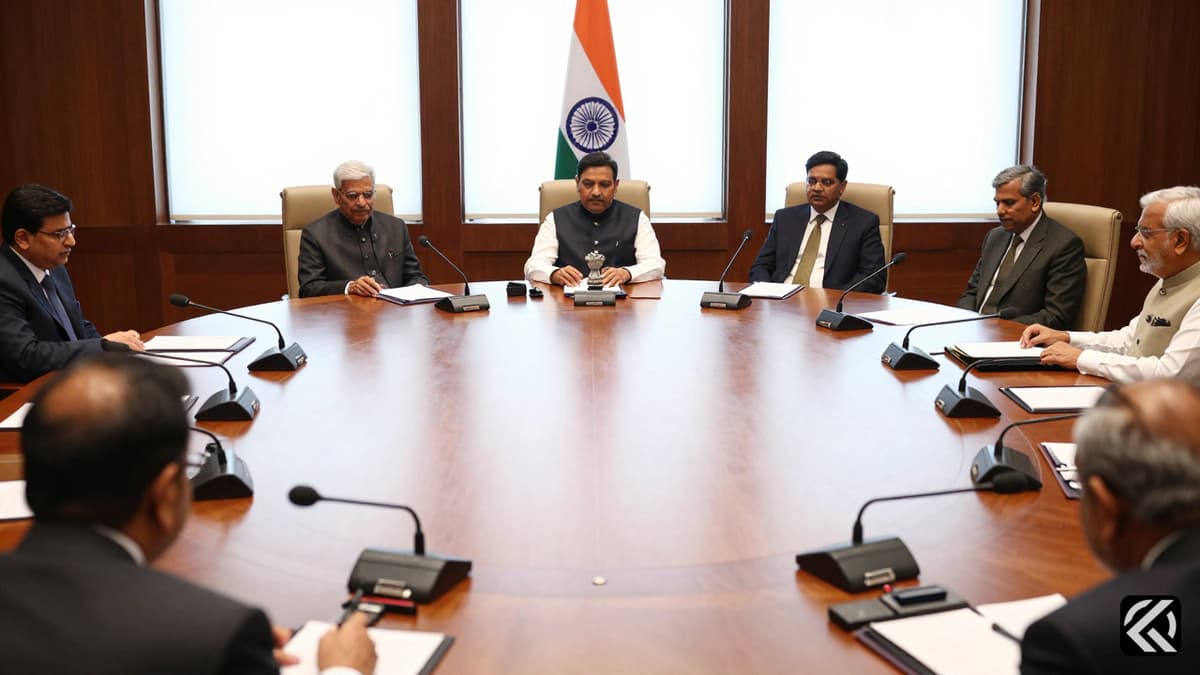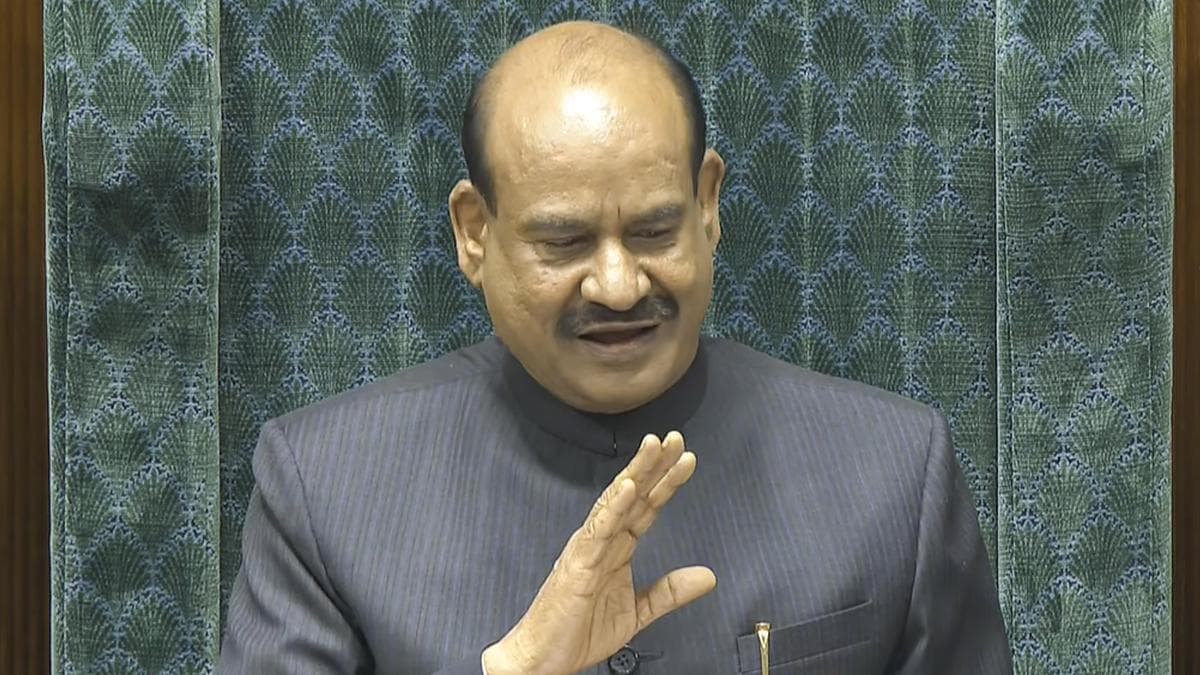
The second part of the Budget Session is set to resume with a contentious debate on removing the Speaker, marking a significant constitutional moment for the House.
The legislative calendar has once again turned its focus toward the corridors of power as the second part of the Budget Session of Parliament prepares to resume. Scheduled to begin on Monday, March 9, 2026, this upcoming session is anticipated to be notably stormy in nature. The atmosphere within the House is charged with tension, primarily driven by the procedural and political weight of the first item listed on the agenda. This initial debate concerns a formal Motion of Removal that has been admitted against the current Lok Sabha Speaker, Om Birla. Such proceedings are rare events that signal significant friction between the ruling establishment and the opposition parties within the legislative body.
The resumption of this session marks a critical juncture where procedural rules meet political maneuvering. The expectation among observers is that the debate will be intense, given the gravity of attempting to remove the presiding officer of the House. This development sets the stage for what promises to be a high-stakes confrontation during the parliamentary proceedings, potentially altering the dynamics of the session before any budgetary matters are addressed.
The resolution initiating this debate has been formally listed against the leadership of the Lok Sabha. The specific individuals named as proposers of this resolution are Congress MPs Mohammad Jawed, K. Suresh, and Mallu Ravi. These members have spearheaded the effort to challenge the Speaker's tenure. Crucially, the motion carries significant weight due to the number of signatories attached to it. A total of 118 members from the Opposition have signed this resolution, indicating a substantial level of dissent within the legislative chamber regarding the conduct of the Speaker.
The text of the resolution outlines specific grievances that form the basis for the removal attempt. The wording asserts that the Speaker has "ceased to maintain an impartial attitude necessary to command the confidence of all sections of the House." This is a serious constitutional allegation suggesting a breakdown in the neutrality expected of the presiding officer. Furthermore, the resolution alleges that the Speaker has disregarded the rights of members while "openly espousing the version of the ruling party on controversial matters." These accusations paint a picture of perceived partisanship that directly contradicts the role required by the office.

A unique procedural situation arises regarding who will preside over this specific debate. Standard protocol dictates that the Speaker should lead such sessions, but in this instance, Speaker Birla will not be presiding over the proceedings due to his involvement as the subject of the motion. Instead, the responsibility falls to another authority figure within the House hierarchy. In the absence of a Deputy Speaker, the rules dictate that the senior-most MP in the presiding officers committee will take charge.
It is expected that BJP MP Jagdambika Pal may preside over the debate given this protocol. This arrangement ensures that the session can proceed without the accused individual influencing the proceedings from the chair. Despite not presiding, Speaker Birla is permitted under the rules to be present during the debate. His position within the chamber will be distinct; he may be allotted a seat among Cabinet Ministers of the Government. This placement highlights his status as part of the executive leadership while he remains the subject of the legislative scrutiny, creating a complex dynamic for those observing the session.
While moves to seek the removal of Lok Sabha Speakers are not very common, they are not unprecedented in the history of the Indian Parliament. The source material notes that such actions have occurred before, establishing a lineage of constitutional challenges to the Speaker's office. The first Speaker of the Lok Sabha, G.V. Mavalankar, was subject to a similar motion in 1954. This historical record demonstrates that the mechanism for removal has existed since the early days of the republic.
Subsequent instances followed this initial challenge. In 1966, another Speaker, Hukum Singh, faced a resolution against him. The most recent prior instance occurred in 1987, directed against then Speaker Balram Jakhar. A consistent pattern emerges from these historical cases: in each of these instances, the motion failed to pass, and the Speaker remained in office. This historical consistency suggests that while the mechanism exists, achieving the necessary political consensus for removal has historically been difficult. The current situation is viewed through the lens of these past events, where previous attempts were unsuccessful.
The likelihood of the motion succeeding is heavily influenced by the numerical strength of the parties within the House. It is expected that in this case too, Mr Birla will sail through as the ruling NDA has a comfortable strength of about 335 seats out of a total strength of 543. This majority provides a significant buffer against removal attempts. Conversely, the opposition INDIA bloc currently sits at 230 MPs.
Under Article 94(c) of the Constitution, there are specific numerical requirements for removing a Speaker. The opposition is falling short of the number required to remove the Speaker under these constitutional provisions. With the ruling party holding more than double the strength needed to defeat the motion, the mathematical reality suggests that the resolution will be defeated. Senior Ministers of the NDA government are expected to speak during the debate, according to government floor managers, further solidifying the support for the Speaker.
Despite the numerical disadvantage, the Opposition is not abandoning the effort entirely. The group which initiated the motion is meeting on Monday morning, March 9, 2026, for a strategy session. This gathering will take place at the office of the Leader of the Opposition in the Rajya Sabha, Mallikarjun Kharge. The purpose of this meeting is to determine how best to proceed given the expected outcome of the vote.
The leadership of the opposition is hoping to press their point, at least in public discourse. They recognize that the numbers show the motion will be defeated, yet they intend to use the platform of the debate to highlight their grievances. This indicates a strategic decision to prioritize public perception and narrative control over immediate legislative success. By engaging in this debate, they aim to maintain pressure on the Speaker and bring attention to the allegations regarding impartiality and member rights within the House.
The upcoming parliamentary session represents a significant constitutional test for the Lok Sabha Speaker, Om Birla, amidst allegations of partiality and procedural disregard. While the political arithmetic heavily favors the incumbent with a strong NDA majority, the opposition continues to utilize the debate to challenge the Speaker's conduct publicly. The proceedings will follow established protocols regarding the presiding officer, ensuring the session moves forward even as the House grapples with these serious accusations. Ultimately, historical trends and current seat counts suggest the motion will not succeed in removing the Speaker, though it will dominate the initial days of the Budget Session.
Jun 9, 2026 02:39 UTC
US Warplane Strikes Tanker MT Marivex; Crew Evacuated in Gulf of Oman
Join 50,000+ readers getting the global briefing every morning.
No spam. Unsubscribe anytime.
Jun 9, 2026 00:00 UTC
INDIA Bloc Leaders Gather in Delhi to Forge Strategic Unity
Jun 8, 2026 22:55 UTC
Netanyahu Vows Forceful Response to Future Iran Attacks
Jun 8, 2026 20:56 UTC
Netanyahu Halts Iran Fighting, Vows Future Force
Jun 8, 2026 20:54 UTC
Justice Department Moves to Strip Citizenship from 17 Individuals