A detailed analysis of recent geopolitical developments involving US-Iran hostilities and East Asian military posture shifts as reported in live updates.
The geopolitical landscape has undergone significant transformations according to the latest live updates released on March 9, 2026. In a series of high-stakes announcements, President Donald Trump and South Korea’s President Lee Jae Myung have addressed critical issues regarding military deployments, weapon capabilities, and ongoing international conflicts. The narrative emerging from these events highlights a complex web of strategic adjustments, with conflicting reports surrounding the presence of advanced missile systems in volatile regions.
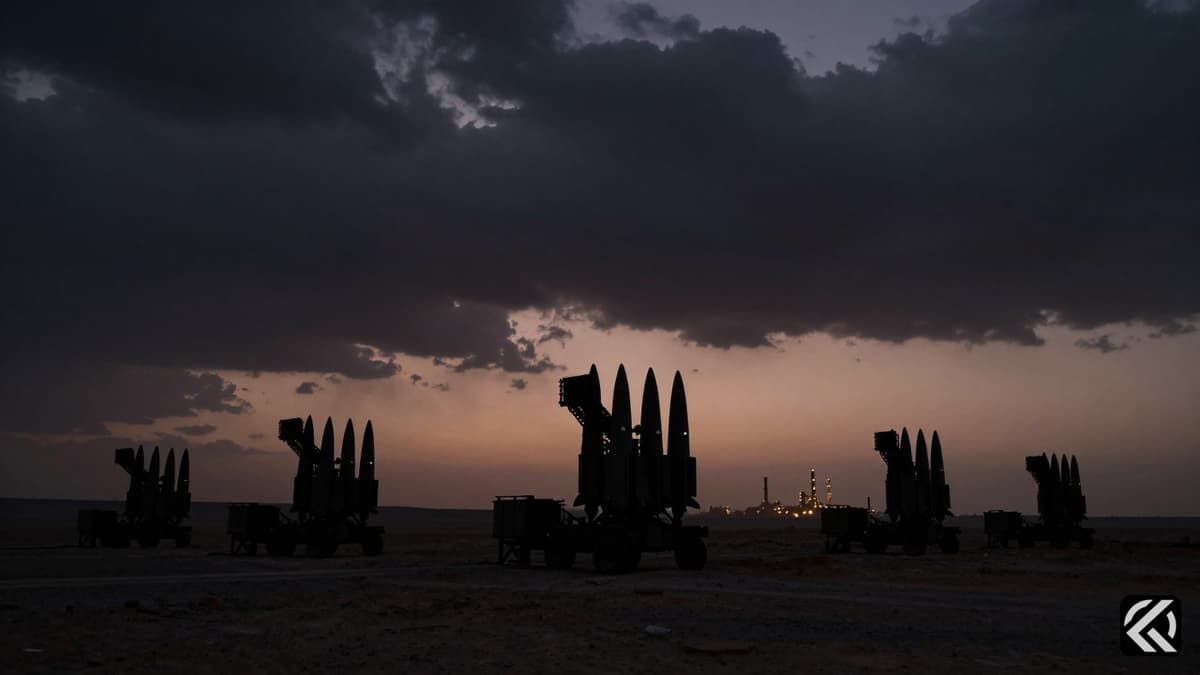
South Korea’s President Lee Jae Myung recently addressed the issue of United States Forces in Korea (USFK) potentially moving specific weapon systems out of the country. Speaking during a Cabinet Meeting on Tuesday, Lee acknowledged that while his nation cannot halt the redeployment of certain assets, he emphasized that such actions would not compromise deterrence capabilities against North Korea. This statement followed local media reports suggesting that Patriot missile systems were being relocated to the US Osan Air base near Pyeongtaek for potential shipping to the Middle East.
When queried regarding these movements, USFK maintained a standard position, stating they do not comment on the specific relocation of military capabilities but reaffirmed their firm commitment to South Korea’s defense. Simultaneously, South Korea’s defense ministry indicated that it is not appropriate for their government to comment on the force employment of USFK. The strategic importance of Camp Humphries remains central to these discussions; as the home to the US military’s largest overseas base, it currently hosts Patriot batteries and a Terminal High Altitude Area Defense (THAAD) system. These assets are considered crucial for defending against potential missile attacks originating from North Korea on its neighbor.
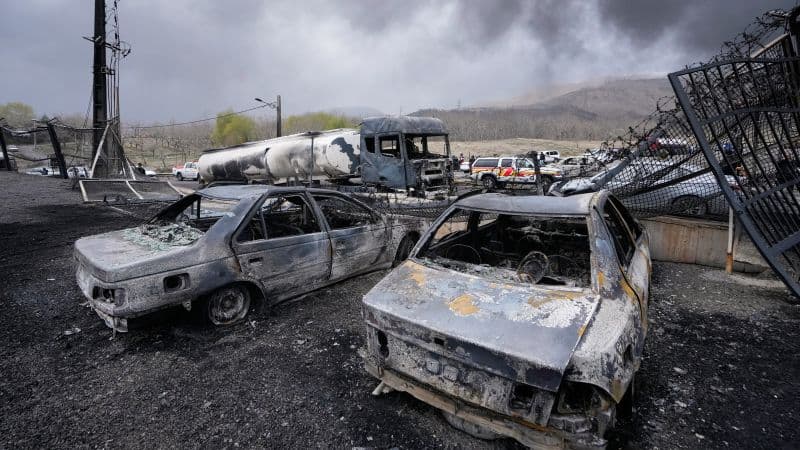
A significant portion of the recent discourse focuses on a deadly strike on an elementary school in southern Iran, where footage appears to show a US BGM or UGM-109 Tomahawk Land Attack Missile targeting an Islamic Revolutionary Guard Corps naval base adjacent to the site. While Iranian state media has reported scores of children killed and blamed the United States, President Trump offered a different perspective during a news conference in Doral, Florida.
Trump claimed that Iran and numerous other nations possess "generic" Tomahawk missiles similar to the one used in the attack. He stated, "Whether it’s Iran, who also has some Tomahawks — they wish they had more." However, this claim contradicts data from manufacturer Raytheon and reports indicating that only a small number of countries possess these weapons: specifically the United States, the United Kingdom, Australia, and Japan, which is currently arming a warship with them. The missile system is described as capable of striking targets precisely from 1,000 miles away, even in heavily defended airspace. Submarine-launched versions were reportedly used in US attacks on Iranian nuclear facilities last year.

Despite initial suggestions that Iran was responsible for the strike, Trump later softened his stance during questioning by CNN’s Manu Raju. He indicated willingness to accept whatever report shows regarding the investigation, noting that he does not know enough about the situation to definitively assign blame solely to Tehran. Defense Secretary Pete Hegseth also noted the matter remains under investigation, though he was present when Trump initially pointed toward Iran.
During his press conference following a policy retreat with House Republicans, President Trump outlined his administration’s view on the conflict's trajectory. He declared that while the US has made "major strides" and suggested the operation may be "pretty well complete," the war is not fully over until the enemy is totally and decisively defeated. The military has reportedly struck over 5,000 targets since the war began, with Trump noting that some of the most important targets are being reserved for later use if necessary.
On the matter of leadership, Trump expressed disappointment regarding Iran’s choice of a new supreme leader following the death of Ali Khamenei in US-Israeli air strikes. Mojtaba Khamenei was elevated to the position, but Trump stopped short of indicating a desire to remove him. Regarding economic impacts, oil prices have spiked due to the conflict. In response, Trump announced he would be waiving certain oil-related sanctions to reduce prices, though he did not specify which exemptions would be lifted. He argued that the war would ultimately lower oil prices over the long term.
Additionally, Trump addressed his relationship with other world leaders. He claimed to have had a very good call with Russian president Vladimir Putin, who reportedly wants to be helpful in the Middle East. Trump advised Putin that he could be more helpful by resolving the Ukraine-Russia war. Vice President JD Vance was also discussed; while initially less enthusiastic about the offensive, Vance shifted his stance as it became clear Trump favored the military campaign.
The current geopolitical situation involves intricate negotiations and conflicting narratives regarding military assets and conflict responsibility. From the East Asian theater where Camp Humphries remains a critical defense hub, to the Middle East where oil sanctions and missile capabilities are central topics, the administration is navigating a complex path. President Trump’s willingness to adapt his stance on the school strike investigation, combined with the strategic reservations expressed by South Korean leadership regarding US force movements, underscores the delicate balance of international alliances during this period of heightened tension.
Jun 9, 2026 02:39 UTC
US Warplane Strikes Tanker MT Marivex; Crew Evacuated in Gulf of Oman
Join 50,000+ readers getting the global briefing every morning.
No spam. Unsubscribe anytime.
Jun 9, 2026 00:00 UTC
INDIA Bloc Leaders Gather in Delhi to Forge Strategic Unity
Jun 8, 2026 22:55 UTC
Netanyahu Vows Forceful Response to Future Iran Attacks
Jun 8, 2026 20:56 UTC
Netanyahu Halts Iran Fighting, Vows Future Force
Jun 8, 2026 20:54 UTC
Justice Department Moves to Strip Citizenship from 17 Individuals