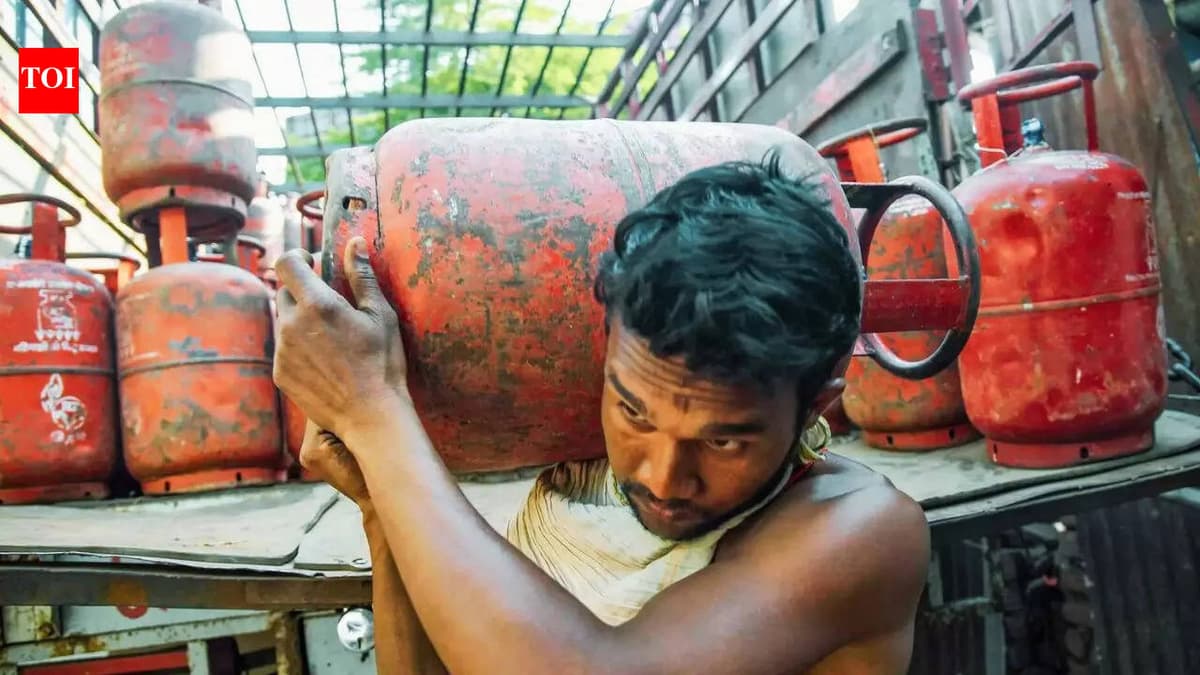
A severe LPG crunch affects major Indian cities, prompting the Union government to invoke the Essential Commodities Act to prioritize domestic supply.
The hospitality sector faces an existential threat as a severe liquefied natural gas crunch disrupts fuel availability across major Indian cities. Linked to ongoing conflict in West Asia, the supply chain disruption has forced the Union government to invoke the Essential Commodities Act, 1955. Prime Minister Narendra Modi convened with Petroleum Minister Hardeep Singh Puri and External Affairs Minister Subrahmanyam Jaishankar to assess the geopolitical impact on energy flows. This decision came just days after officials claimed supplies were comfortable, highlighting the volatility of global LNG markets following outages in Qatar, India’s top supplier. During a cabinet meeting earlier in the day, the prime minister asked ministers to review the situation in their respective sectors and coordinate with stakeholders to ensure the public does not face disruption due to the conflict.
The Centre has prioritized domestic piped natural gas for households and compressed natural gas for transport while cutting allocations to fertiliser and other industries. This strategic shift aims to ensure uninterrupted supply for domestic users during the crisis. In Gujarat, authorities confirmed a 50% cut in industrial gas supply, with fertiliser and milk processing units facing a 40% reduction. The Union government coordinated these measures to prevent panic while maintaining steady availability of LPG cylinders for households. While additional flows from Canada and Australia are being explored, global availability remains tight, prompting the urgent notification hours after the initial assessment.
Bengaluru restaurants report two-day gaps in commercial cylinder deliveries. Menus are being trimmed to exclude gas-intensive items like pooris and vadas, with kitchens prioritizing idli and dosa. Commercial prices surged, reaching around Rs 1,900 per 19-kg cylinder after March revisions. In Mumbai, industry bodies warn that 20% of hotels are already shut, projecting up to 60% closures without relief. Chennai’s Hotels Association President contacted PM Modi directly, highlighting risks for over 10,000 round-the-clock establishments struggling to obtain replacements. Many dishes popular at such eateries require slow cooking, which increases gas consumption, making it difficult for businesses to continue normal operations.
Lucknow eateries face severe disruption, though piped gas users manage for ten days. In Kerala, distribution agencies halted deliveries, forcing reliance on electric cooking systems in Kochi and Thiruvananthapuram, though operators note regulatory approvals may be required. Kolkata witnessed panic buying double cylinder bookings in 48 hours, leading to illegal diversion of Ujjwala Yojana beneficiaries' cylinders. Auto-LPG scarcity there reduced rickshaw numbers by nearly 30%. Meanwhile, Pune reported black-marketing triggers and Telangana warned that 60% of eateries could close within days during peak iftar demand. Roadside eateries in Kolkata switched to coal-fired stoves, causing a sudden spike in demand for coal.
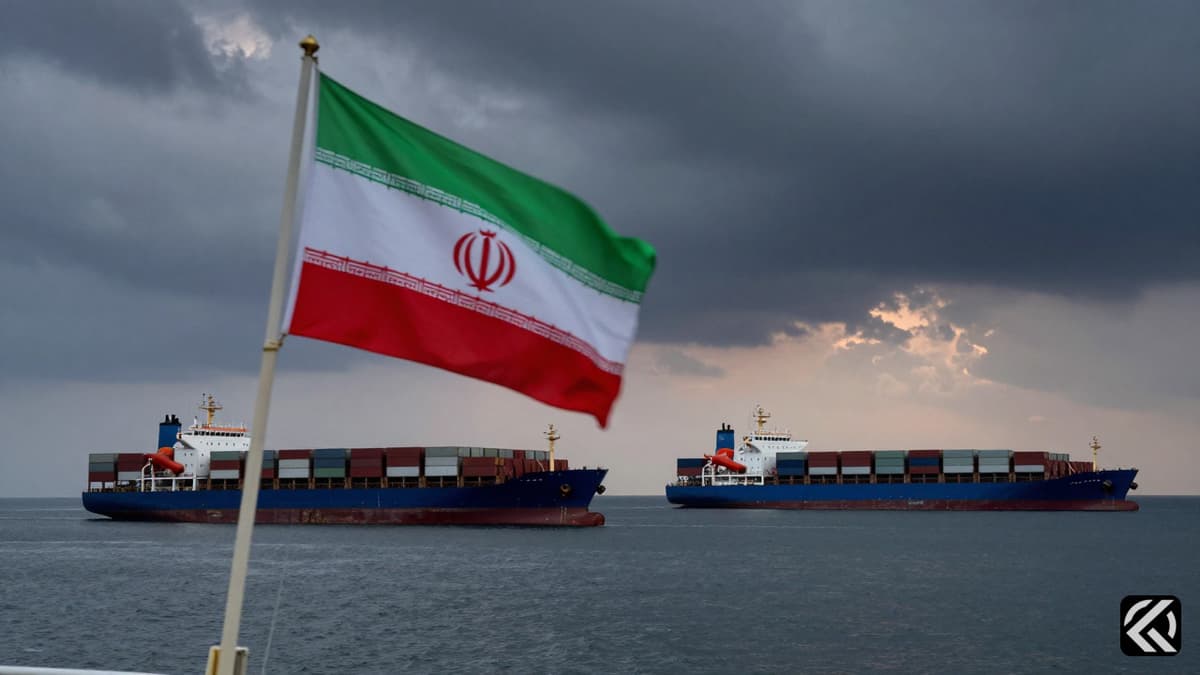
The energy crisis underscores the fragility of global supply chains during geopolitical instability. As businesses adapt through menu revisions and operational cuts, the government maintains a focus on household security over commercial continuity. Industry leaders continue to seek intervention as stocks deplete rapidly across urban centres.
May 1, 2026 03:50 UTC
Trump Administration Declares Iran Conflict Terminated
Join 50,000+ readers getting the global briefing every morning.
No spam. Unsubscribe anytime.
May 1, 2026 03:50 UTC
Trump Administration Declares Iran Conflict Terminated
Apr 25, 2026 01:38 UTC
Iranian FM Araghchi Heads to Islamabad for Critical US-Iran Talks
Apr 25, 2026 01:13 UTC
Calm Suspect in Delhi Rape-Murder Case Faces Mental Evaluation
Apr 24, 2026 23:24 UTC
Raghav Chadha joins BJP, Shaking AAP’s Rajya Sabha Strength