Section
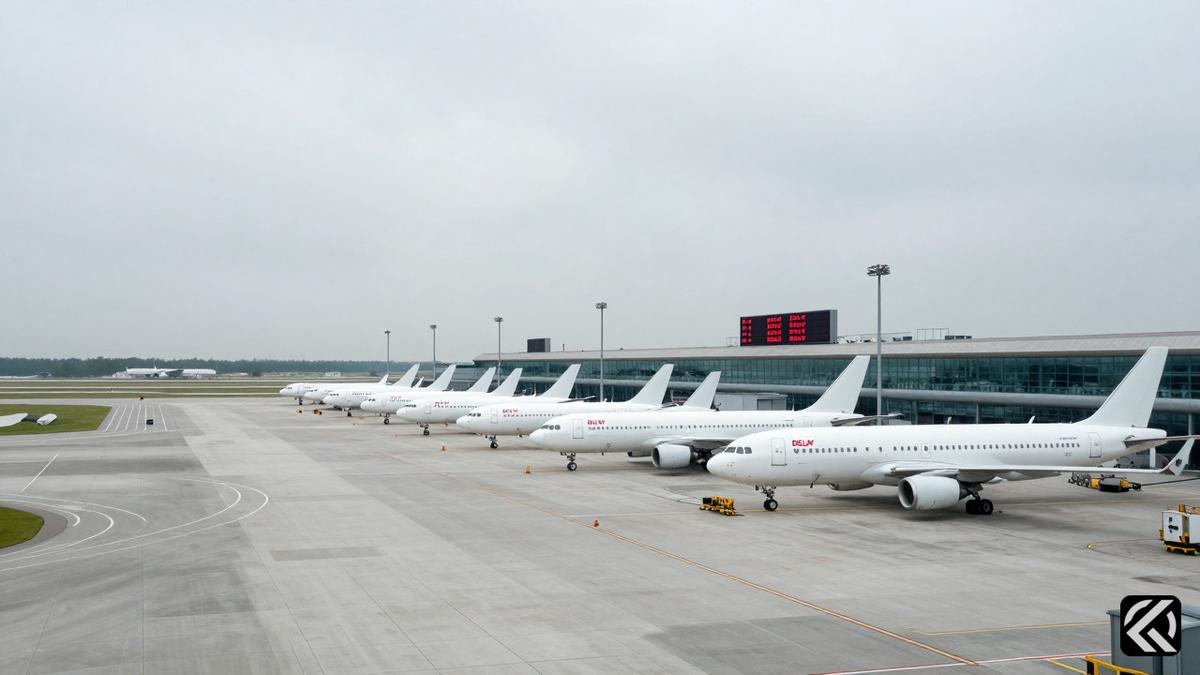
A massive communication failure grounded US flights for hours, stranding travelers and sports teams. Officials blame system overload, raising concerns for the upcoming holiday rush.
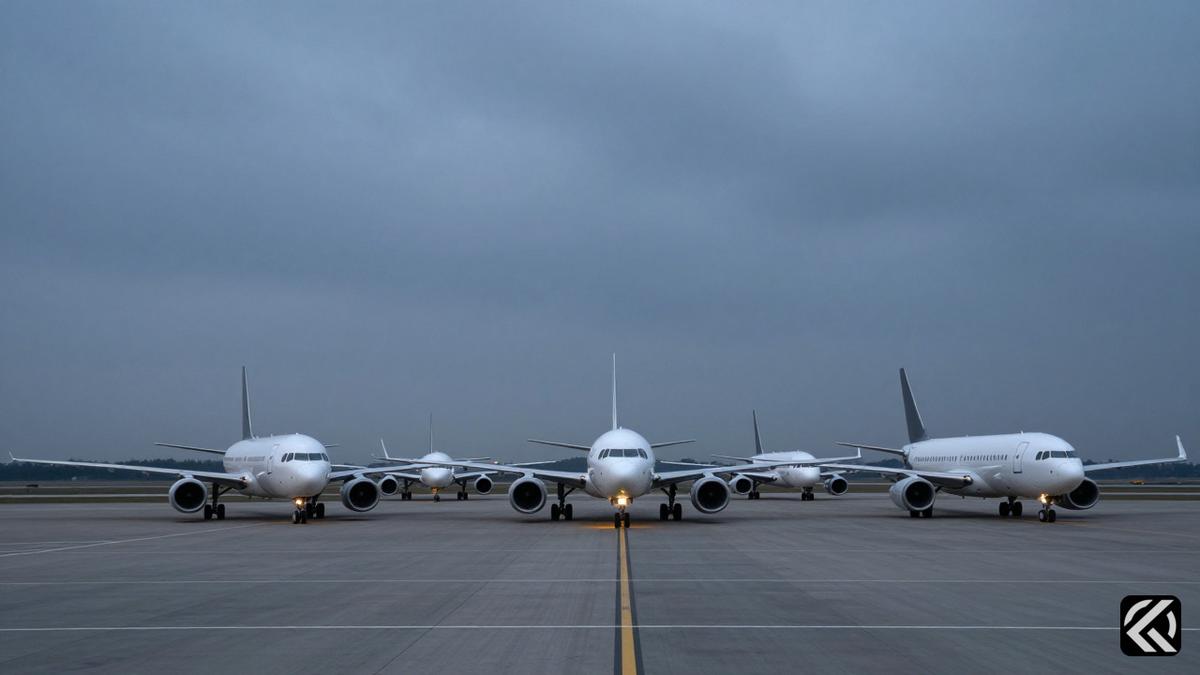
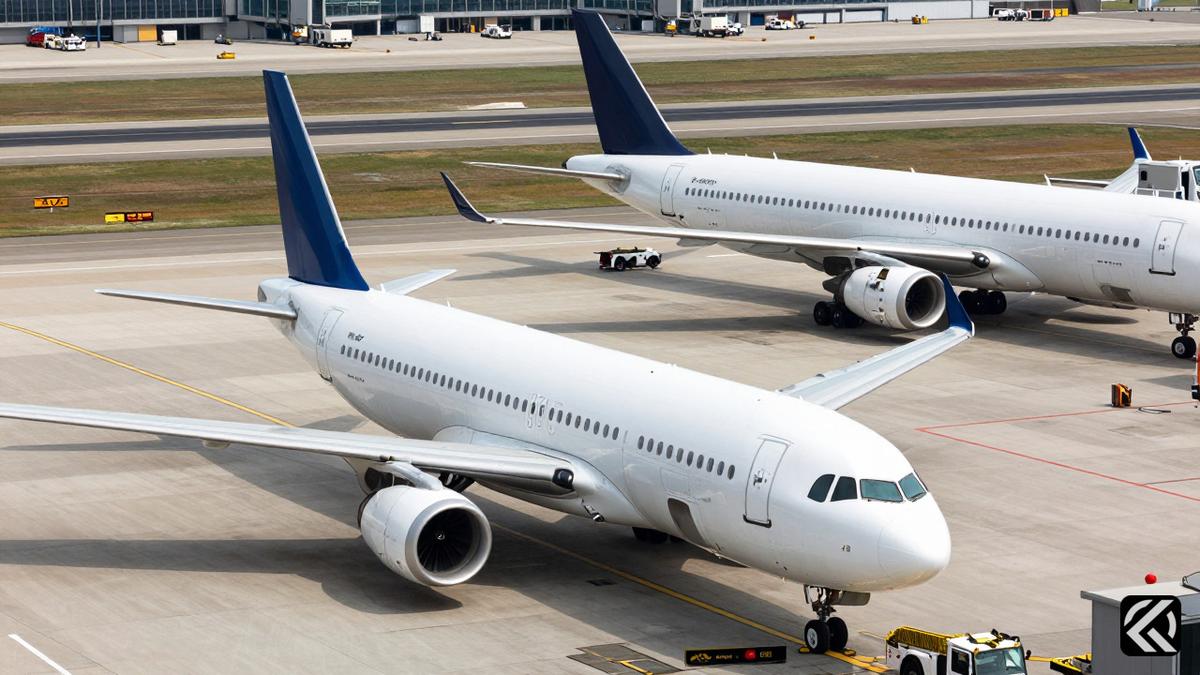
The United States experienced a historic logistical disruption on Friday, November 13, 2026, when a FAA communication outage led to the grounding of all U.S. flights. This rare nationwide flight grounding lasted for approximately five hours, stranding hundreds of thousands of travelers and leaving sports teams in limbo as officials scrambled to restore connectivity across the nation’s air traffic control network.
Transportation Secretary Sean Duffy attributed the chaos to new technology overwhelming antiquated infrastructure. He stated, “We use 1980s little copper lines. It’s an old system that went down, and went down everywhere. It got overloaded.” The incident marked only the second time such an alert was issued in U.S. airspace since the 9/11 attacks.
The impact of the grounding was immediate and widespread. Thousands of flights and potentially over a million travelers were affected from coast to coast. While Secretary of Homeland Security Markwayne Mullin assured the public that no one was in danger as more than 3,000 flights landed safely, the confusion at airports was palpable. In New York’s LaGuardia airport, passengers faced uncertainty, with some told their journeys were delayed due to wind, a stark contrast to the actual cause: a major telecommunications failure.
Confusion reigned as passengers formed long lines at rental car counters in a mad dash for alternatives. Janice Llewellyn, a traveler in LaGuardia, expressed her desperation to reach her daughter’s wedding in Toronto, saying, “I may lose my mind.” Meanwhile, sports organizations scrambled to adjust schedules. NBA, NHL, and college teams were left stranded, prompting Transportation Secretary Duffy to prioritize NCAA teams ahead of Saturday football games. He encouraged football teams to contact the FAA directly to schedule flights for their weekend kickoffs.
Cargo operations also felt the strain. FedEx prepared contingency plans to minimize disruptions, while the broader industry, which moves 61,000 tons of goods daily to over 220 countries, faced significant delays. Despite the chaos, SpaceX successfully launched its Starship rocket from Texas on Friday afternoon, demonstrating that the outage was specific to civilian air traffic control communications rather than a total infrastructure collapse.
The root cause of this nationwide flight grounding appears to be technical rather than malicious. Mullin stated there was no indication of a cyberattack, describing the event as a "telecommunication outage" and emphasizing, “This isn’t another 9/11.” However, the underlying weakness of the U.S. air traffic system has been documented for years. A 2024 Government Accountability Office report noted that 51 of 138 systems were classified as unsustainable, with another 54 potentially unsustainable. FAA Administrator Bryan Bedford had previously described the network as "technological silos" relying on decades-old computers that cannot communicate seamlessly. Some obsolete equipment even requires parts sourced from online auctions or 3D printing.
As the ground stop was lifted late Friday evening, officials warned that full recovery would take days because planes and crews were out of position. Despite the severity of the event, there is optimism that the system will stabilize in time for the Thanksgiving travel rush. Yet, the incident highlights urgent needs for modernization. Secretary Duffy had formally requested $30.1 billion from Congress to upgrade the system, repeating his plea as the stop was lifted. “I’m going to say it a million times: the Congress has to give the resources to the president so he can finish this bill,” he said. Without such upgrades, officials like Duffy could not guarantee that a similar failure would not recur, underscoring the fragility of the current air traffic infrastructure.
The recent grounding underscores the urgent need for the $30.1 billion Congress has been asked to approve. With half of the FAA’s systems deemed unsustainable, future disruptions are likely without modernization. Airlines for America data highlights the system’s vast scale, yet its antiquated state poses a significant risk to the $61,000-ton daily cargo volume and passenger safety. The administration must prioritize replacing 1980s-era copper lines to prevent similar nationwide halts during critical travel periods.
Nov 17, 2026 16:45 UTC
US Intel Warns of Iran Dirty Bomb Plot in DC
Nov 17, 2026 12:48 UTC
Quad Summit Manila: Modi, Trump Focus on Indo-Pacific Security
Nov 17, 2026 10:43 UTC
Ukraine Strike Collapses Crimean Bridge Ahead of Diplomatic Talks
Nov 16, 2026 16:25 UTC
Beijing Claims Historic Significance for Trilateral Talks in Shenzhen
Nov 15, 2026 22:18 UTC
Trump Demands Overhaul After Rare US Ground Stop Chaos