Global markets rally on hopes of peace. Oil prices tumble and stocks surge as the US and Iran inch closer to a historic agreement to halt the conflict.
Global financial markets experienced a significant surge following reports that the United States and Iran are nearing a resolution to their ongoing conflict. Oil prices initially dropped on the news before recovering slightly, while major stock indices in London, Germany, France, and Asia posted notable gains. The rally is driven by hopes that a diplomatic breakthrough could stabilize the region and restore energy supply chains.
The immediate trigger for this market movement was a report by Axios stating that the US believes it is close to finalizing a one-page document intended to end the war. This potential agreement would not only halt hostilities but also establish a framework for detailed nuclear talks. The US is reportedly awaiting responses from Iran on several key points within the next 48 hours, marking a critical juncture in the diplomatic efforts.
Brent crude futures, the global benchmark for oil prices, fell to $97 (£73) a barrel shortly after the reports emerged before rebounding to over $101. Earlier in the day, prices had been over $108. This volatility reflects the market's sensitivity to geopolitical developments. While prices remain significantly higher than the $70 per barrel level seen before the start of the Iran-US war, the potential for a ceasefire has provided some relief to traders and investors.
Stock markets reflected this optimism. The FTSE 100 in London and Germany's Dax index both closed over 2% higher. The French CAC 40 saw a 3% increase. In Asia, markets closed higher on Wednesday, with South Korea’s Kospi up 6.45%, Hong Kong’s Hang Seng up 1.22%, and Japan’s Nikkei finishing 0.38% higher. The US S&P 500 also rose 1% in early trading. However, it is noted that European bourses are still lower than their end-of-February levels, while the S&P 500 remains higher than at the war's outset.
The path to this potential agreement has been marked by fluctuating signals. Hours after the Axios report, an Iranian foreign ministry spokesperson stated that the US proposal was still under consideration. President Trump later suggested on Truth Social that a deal might still be distant, warning that a failure to reach an agreement could lead to bombardments "at a much higher level and intensity" than during Operation Epic Fury. He described any Iranian agreement as "a big assumption."
Despite this caution, Trump recently stated on social media that he would pause a military operation "for a short period of time to see whether or not the Agreement can be finalized and signed." He noted that "Great Progress has been made toward a Complete and Final Agreement." The US continues to block ships transiting to and from Iranian ports to pressure the Iranian economy while diplomatic channels remain open.
US Secretary of State Marco Rubio indicated on Tuesday that the initial US-Israeli offensive in Iran was over, claiming Washington's objectives had been met. This assertion aligns with reports of a potential one-page memorandum of understanding. If finalized, this document would declare an end to the war and initiate a 30-day negotiation period. The talks would aim to reopen the Strait of Hormuz, limit Iran's nuclear program, and lift US sanctions.
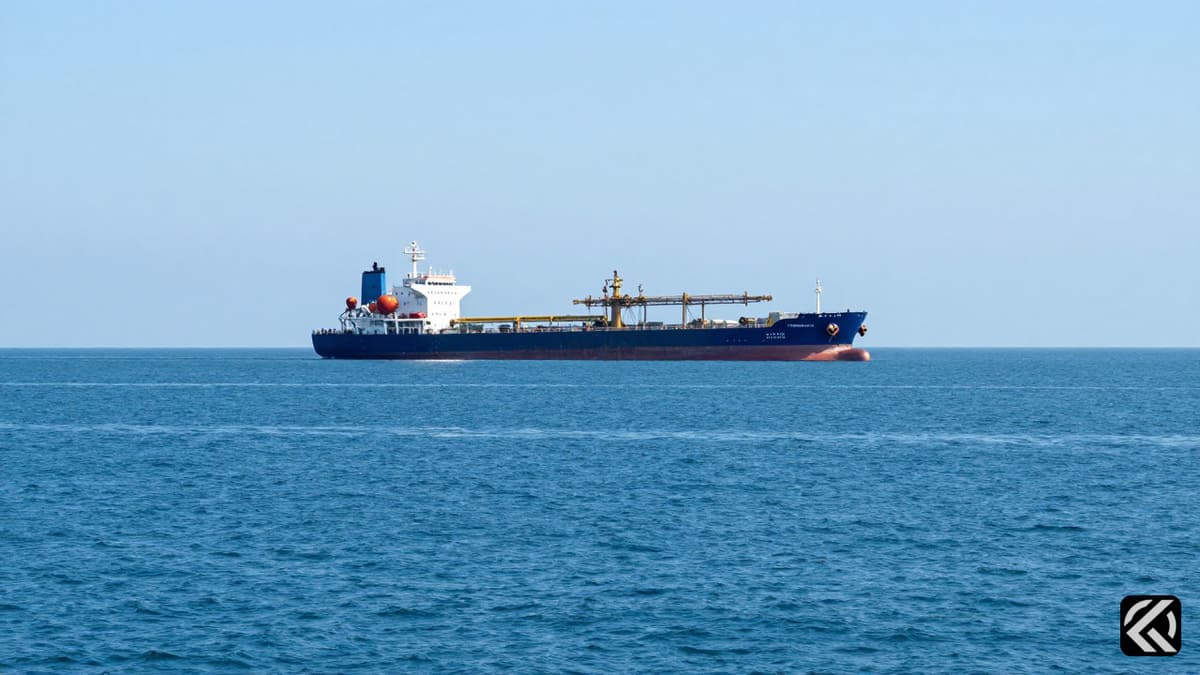
The Strait of Hormuz has been central to the economic fallout of the conflict. This narrow waterway, south of Iran, typically sees about a fifth of global oil and gas shipments pass through it. The strait has been effectively closed for weeks in response to threats from Iran to attack oil ships, triggered by US-Israeli strikes that began on February 28. Global gas prices have soared since the conflict began, contributing to the elevated oil prices seen recently.
On April 8, a previous ceasefire between the US and Iran caused oil prices to slump and stock markets to jump. However, tensions escalated again when President Trump announced "Project Freedom," a US military initiative to guide ships through the Strait of Hormuz. This led to a rise in attacks from both Iran and the US. The current pause in operations suggests a shift in strategy, prioritizing diplomatic resolution over immediate military intervention.
The reports from Axios cite two US officials and two other sources briefed on the issue. They suggest that the current negotiations represent the nearest to an agreement that both sides have reached since the conflict began. The US is believed to be awaiting Iran's response on key points within the next 48 hours, a timeframe that will determine whether the region moves toward de-escalation or further conflict.
If the proposed memorandum is signed, it will likely stabilize oil prices and restore confidence in global markets. The reopening of the Strait of Hormuz would reduce transportation costs and ease supply chain pressures. However, if negotiations fail, the risk of intensified military action remains high, potentially leading to further market volatility and increased global energy costs. The coming days are critical for determining the longevity of this diplomatic progress.
May 8, 2026 15:53 UTC
China Confirms Technical Aid for J-10CE Fighter Jets in Regional Conflict
May 8, 2026 03:53 UTC
Trump Asserts Ceasefire Validity After Strait of Hormuz Clashes
May 8, 2026 02:30 UTC
Trump Threatens Iran After US Ships Attacked in Hormuz
May 7, 2026 17:24 UTC
Iran Enforces New Maritime Rules for Hormuz Transit
May 9, 2026 13:53 UTC
Suvendu Adhikari Becomes West Bengal's New Leader


