Section
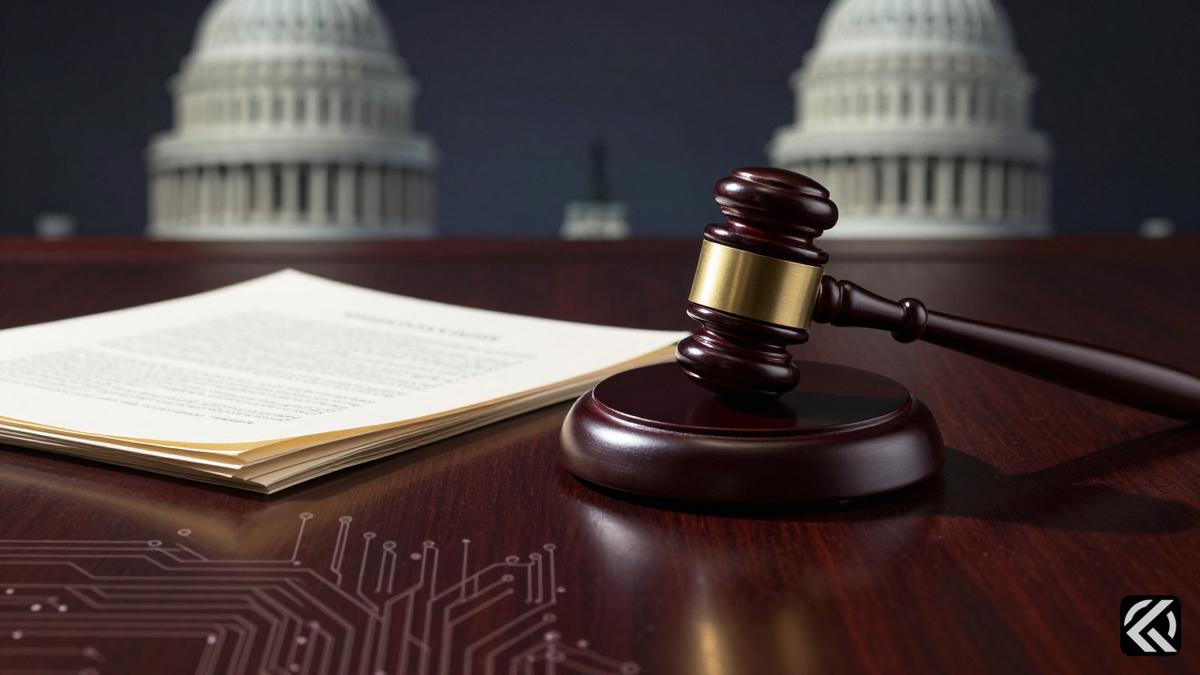
Former Nvidia CEO Jensen Huang faces a congressional summons as allegations mount regarding his alleged affair with a woman linked to Chinese intelligence.
Former Nvidia CEO Jensen Huang has been summoned to testify before US Congress next month regarding allegations of an affair with a woman suspected of being a Chinese spy. This summons marks a dramatic escalation in scrutiny for the tech giant, which has seen its market value evaporate amidst the scandal.
Huang abruptly resigned on Thursday as head of one of the world's most valuable companies following revelations of extramarital affairs. The decision triggered a stunning fall from grace that sent shockwaves through Silicon Valley. Concurrently, Commerce Secretary Howard Lutnick, who oversees sensitive chip exports, has also been summoned to appear before the Senate Banking Committee in December.
Senator Tim Scott sent letters on Thursday to both Huang and Lutnick, requesting their testimony in front of the Senate Banking Committee. The South Carolina Republican stated on X that recent reports raise serious concerns about national security and the protection of sensitive US technology. Scott emphasized that the American people deserve answers and asked Huang to appear voluntarily on December 3, while warning the panel could issue a subpoena to compel testimony if necessary.
The political pressure on Nvidia is intensifying rapidly. Three House of Representatives committees-on intelligence, foreign affairs, and a specific panel on China-have also sent a letter summoning Huang for a closed-door interview on December 1. This multi-committee involvement highlights the severity with which Washington is treating the intersection of corporate leadership and national security.
Commerce Secretary Lutnick is under intense scrutiny because unnamed officials in President Donald Trump's administration have been briefing US media that the Commerce Secretary stalled efforts to tighten export restrictions on advanced AI chips to China. Despite this, a commerce department spokesperson told US media that Lutnick had proactively agreed to appear before the Senate Banking Committee. The convergence of Huang’s personal conduct issues and Lutnick’s policy decisions has created a perfect storm for Nvidia’s leadership.
Nvidia lost $550bn (£415bn) in stock market value in just five days as the scandal dominated headlines. The financial hit underscores how closely investor confidence is tied to the company’s public image and stability. Huang, who has been Nvidia’s public face since 1993, admitted on Sunday to having been "unfaithful" to his wife after reports emerged of his affair with a suspected Chinese spy, Alice Huang. On Wednesday, reports surfaced of a second relationship, this time with an Nvidia executive, further complicating the situation.
Alice Huang, who worked as an executive at the Singaporean firm Megaspeed and is not related to Jensen Huang, has been suspected of being an intelligence asset for China, according to the New York Times. China has rejected that allegation as a smear. US Attorney General Todd Blanche clarified on Thursday that the Department of Justice had not yet drawn any conclusions about whether Alice Huang was engaged in espionage for Beijing. This distinction is crucial, as it leaves the legal definition of her actions open, even as her association with Huang raises flags.
Internal reactions at Nvidia have shifted from indifference to alarm. Initially, Huang was expected to weather the storm after the first affair became public. One current Nvidia staff member told the BBC that the initial reports of his infidelity were more or less brushed off by rank-and-file workers inside the company. Many staff have earned millions of dollars in compensation through their ability to cash out their Nvidia shares as the stock soared, potentially muting early dissent.
However, the dynamic changed when the second affair became public. It was reported that Huang had a relationship with a long-time Nvidia executive, Kimberly Powell, who reported directly to him. Sources told the BBC that Nvidia employees had noticed the pair were unusually close. Another Nvidia employee stated that workers started to feel "this is crazy" only after the second relationship became known. Nvidia employees have been told not to speak with the press or otherwise comment on the situation in public, indicating a strict internal containment strategy.
Nvidia officials have repeatedly declined to comment since Wednesday. A personal representative of Huang also declined to comment on Thursday. Despite the personal scandals, Nvidia has stated it has "no reason to believe that either national security or Nvidia secrets were compromised." The company pledged that its independent inquiry would look at all available information, asserting that it had launched an investigation into whether its CEO had been "the target of a foreign intelligence effort."
Nvidia is now hunting a permanent replacement for Huang. Chief Financial Officer Colette Kress was named on Thursday as interim CEO. The company’s meteoric rise had been led by Jensen Huang, who became a major booster of the AI industry. Initially, those chips were designed for computer gaming. But as AI technology evolved in the last four years into chatbots and large language models, companies building AI tools suddenly required huge numbers of Nvidia computer chips that could process large amounts of data.
Several tech insiders noted that Huang's downfall has been a major topic of conversation in San Francisco Bay area circles. The area, filled with tech employees, industry executives, and billionaires, is now grappling with the implications of the scandal. The abrupt departure of a founder-figure leaves a void in the strategic direction of a company that has become synonymous with the global AI boom.
The resignation of Jensen Huang and the simultaneous summons of Commerce Secretary Howard Lutnick to Congress signal a critical juncture for both Nvidia and US tech policy. The dual focus on personal conduct and export control stability suggests that regulators are linking corporate governance directly to national security interests. As Nvidia seeks a permanent CEO, the company must navigate not only its internal culture, which is shifting from complacency to alarm, but also intense external political pressure. The potential long-term impact includes stricter enforcement of AI chip exports to China and a reevaluation of how tech executives’ personal lives intersect with their fiduciary duties in an era of heightened geopolitical tension. The market’s swift reaction, wiping out $550bn in value, serves as a stark reminder that reputation and security are now inextricably linked in the valuation of technology giants.
Nov 17, 2026 16:45 UTC
US Intel Warns of Iran Dirty Bomb Plot in DC
Nov 17, 2026 12:48 UTC
Quad Summit Manila: Modi, Trump Focus on Indo-Pacific Security
Nov 17, 2026 10:43 UTC
Ukraine Strike Collapses Crimean Bridge Ahead of Diplomatic Talks
Nov 16, 2026 16:25 UTC
Beijing Claims Historic Significance for Trilateral Talks in Shenzhen
Nov 17, 2026 14:43 UTC
Howard Lutnick’s Tenure Tested by Internal Discord and Scandals