Section
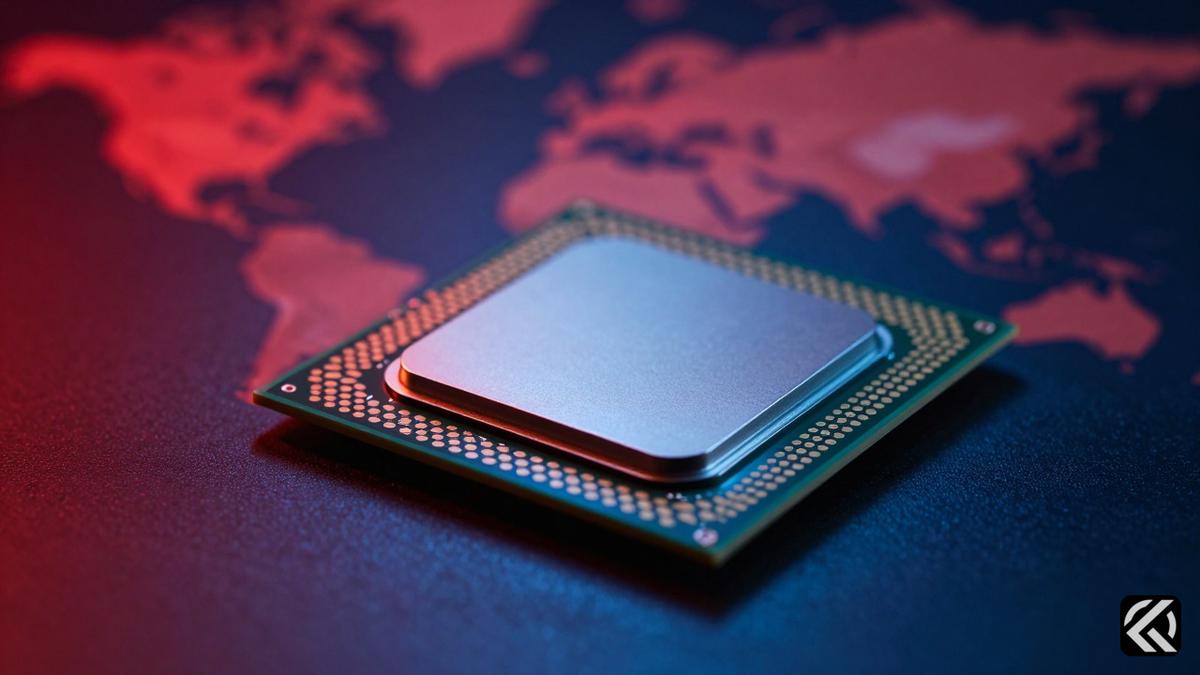
Commerce Secretary Lutnick faces intense pressure as Nvidia CEO Huang resigns, exposing potential failures in export controls that may have aided China.
The Commerce Secretary is under intense scrutiny for his role in shielding Jensen Huang and facilitating lax export controls that allowed advanced chips to flow to China, raising national security alarms.
Questions are mounting about why Howard Lutnick failed to blacklist Megaspeed, a company suspected of funneling Nvidia technology to Beijing, despite internal consensus across multiple government departments. This controversy has intensified following the resignation of Nvidia’s CEO, sparking bipartisan demands for accountability and potential dismissal of the Commerce Secretary.
The scrutiny begins with the early days of Donald Trump’s second term. Around the time Lutnick was preparing to become Commerce Secretary, he initiated a phone call to Jensen Huang, offering direct access to the president. Huang later recounted this call on Joe Rogan’s podcast, describing Lutnick’s praise for Nvidia as calling the company “a national treasure.”
Before this alliance, Huang was largely unknown to Trump. The president admitted to barely knowing what Nvidia was, asking, “What’s his name? What the hell is Nvidia?” However, just eleven days after his inauguration, Trump met Huang at the White House. Impressed by the meeting, Trump publicly praised Huang, calling him “the biggest in the world in terms of chips.”
This initial meeting catalyzed a rapid deepening of ties. Lutnick played a pivotal role in elevating Huang’s profile within the administration. Two months after the Oval Office meeting, Lutnick facilitated Huang’s attendance at a $1 million-a-head MAGA Inc. dinner at Mar-a-Lago in April. It was at this event that Huang made a final appeal against planned restrictions on selling the H20 chip to Chinese customers. Although the White House initially shelve the curbs, trade war pressures later forced a reversal, requiring licenses for H20 sales.
Huang continued his charm offensive. At an Investing in America event in late April 2025, Lutnick and Huang were photographed together, prompting Trump to declare, “I could have Jensen negotiating. He’d blow my people away.” By July, Huang was back in the Oval Office, now accompanied by Lutnick and White House AI adviser David Sacks. Their argument was specific: selling older chips like the H20 abroad would keep the world addicted to the American technology stack.
Five days later, Nvidia announced that the government had assured it could sell the H20 in China. Lutnick publicly explained this decision on CNBC as a strategic move to get China “addicted to the American technology stack.” The deal was finalized in August with Trump negotiating directly with Huang. A key condition was that Nvidia would pay the government 15% of its China chip revenue.
Throughout the fall, Huang drew closer to the president, who frequently mentioned him in public remarks. In October, Nvidia donated $25 million to Trump’s White House ballroom project, a donation that never appeared on the published donor list.
The current crisis centers on Megaspeed, a Singapore-based cloud company. In the summer of 2025, Singapore police investigated the firm and questioned its former managing director, Alice Huang, who had met Jensen Huang in California and was photographed with him in Taipei. Federal agents later briefed lawmakers that Jensen Huang was the “target of a foreign intelligence effort.”
Despite these warnings, Treasury Secretary Scott Bessent revealed on CNBC that a wide swath of the administration-including the Treasury, State, Pentagon, and US Trade Representative-wanted to blacklist Megaspeed. Bessent stated that the Commerce Department, led by Lutnick, failed to follow through, saying, “Commerce…has the pen…you will have to ask them about their internal process.”
The fallout from Huang’s resignation due to revelations of extramarital affairs, one involving a woman potentially connected to China, has accelerated calls for Lutnick’s removal. Administration officials who had long been concerned about Huang’s influence now privately criticize the Commerce Department’s inaction.
Bipartisan pressure has mounted in Congress. House Foreign Affairs Committee Democrats demanded answers from Lutnick and export control chief Jeffrey Kessler about what they knew regarding Megaspeed. Senate Democrats ordered the preservation of all documents related to Nvidia’s exports. Senator Chris Van Hollen, a top Democrat on the Senate subcommittee overseeing Commerce funding, told ABC News, “I think he should be fired.” Senator Jim Banks, a Trump ally, echoed these concerns on Fox News, stating, “When you’re in a war with another country, you don’t give them your best technologies.”
Despite the growing scandal, the White House has defended Lutnick. Trump stated on Thursday that he “maintains complete confidence in the secretary and his ability to carry out the position as the most transformative Commerce Secretary in modern history.” Plans for Lutnick to join Trump on a trip to China next week remain unchanged.
American officials indicate that Trump does not expect to raise the alleged spying with Chinese leader Xi Jinping during their upcoming meeting in Shenzhen. They assert that China would have no say in whether Washington tightens restrictions on chip access, despite the ongoing debate over Lutnick’s influence.
The scandal surrounding Howard Lutnick and Nvidia highlights significant vulnerabilities in export control enforcement during the current administration. As bipartisan criticism grows and internal administration tensions rise, the pressure on Lutnick to resign or be dismissed intensifies. The failure to blacklist Megaspeed despite warnings suggests a systemic issue in how trade policy is prioritized over national security. If Lutnick remains in power, future chip export policies may continue to favor corporate lobbying over strict adherence to security protocols, potentially compromising long-term US technological dominance and strategic interests against China.
Nov 17, 2026 16:45 UTC
US Intel Warns of Iran Dirty Bomb Plot in DC
Nov 17, 2026 12:48 UTC
Quad Summit Manila: Modi, Trump Focus on Indo-Pacific Security
Nov 17, 2026 10:43 UTC
Ukraine Strike Collapses Crimean Bridge Ahead of Diplomatic Talks
Nov 16, 2026 16:25 UTC
Beijing Claims Historic Significance for Trilateral Talks in Shenzhen
Nov 17, 2026 16:58 UTC
PM Modi Urges Global Stability at Asean-India Summit