Section
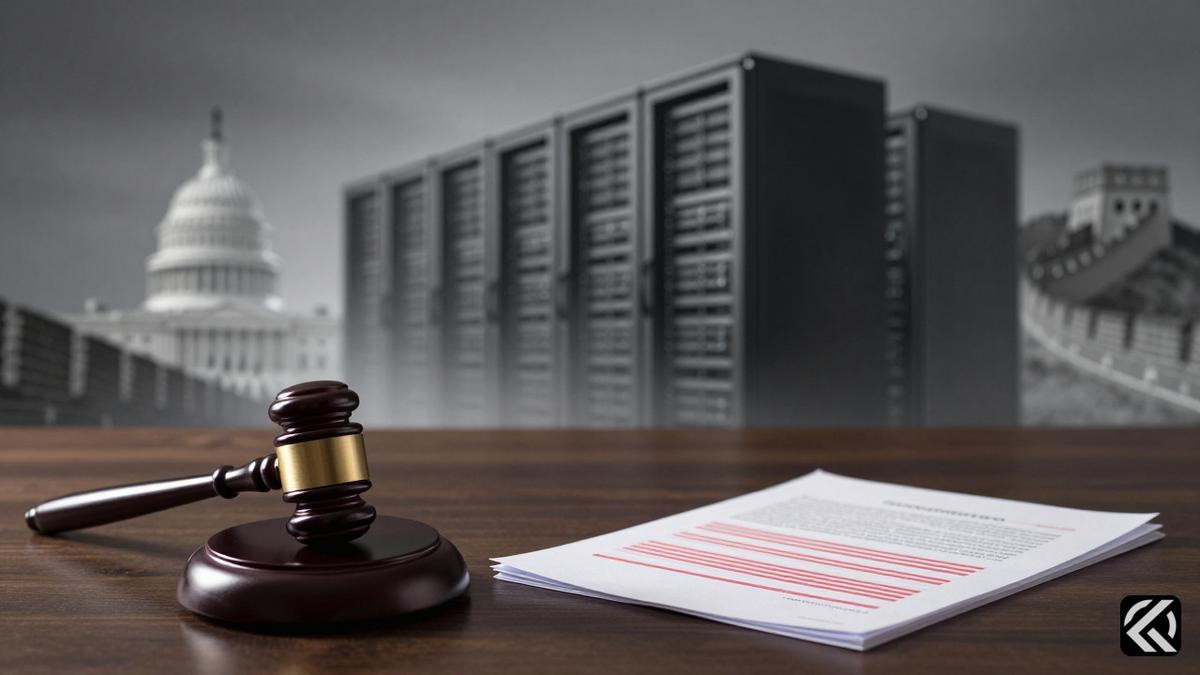
Lawmakers demand answers as Nvidia faces billions in losses and national security scrutiny over CEO Jensen Huang’s personal conduct and alleged ties to foreign intelligence.
U.S. lawmakers have called Jensen Huang, the architect of the artificial intelligence boom, to face their questions in December after the Nvidia former CEO quit over extramarital affairs, including one with a suspected Chinese spy. The scandal has wiped almost half a trillion dollars off Nvidia’s market valuation, as it raises national security fears and leaves the AI industry in uncharted waters. Republican Senator Tim Scott wrote on Thursday that recent reports raise serious concerns about national security and the protection of sensitive U.S. technology.
Scott, who chairs the Senate Banking Committee, stated he was requesting Huang and Commerce Secretary Howard Lutnick to testify in December. This legislative move joins a call for a closed-door interview with the 63-year-old Huang on December 1 by three House of Representatives committees, under threat of subpoena. Huang, who has been married to his wife Lori for over 40 years, admitted Sunday to an affair, reportedly with Alice Huang, a former senior executive at Singapore-based data center company Megaspeed. The two are not related. U.S. intelligence reportedly circulated a memo this spring alleging she was an asset of China’s Ministry of State Security, allegations Beijing has rejected.
On Wednesday, The New York Times reported a second affair, citing video of Huang being affectionate with Nvidia’s vice president of health care, Kimberly Powell. While Nvidia’s board searches for a permanent successor to Huang, who spent 33 years at the helm of the firm he co-founded, chief financial officer Colette Kress will serve as interim CEO. Kress joined Nvidia in 2013 after nearly 25 years at companies including Cisco and Microsoft.
Nvidia hit gold when the launch of OpenAI’s ChatGPT in 2022 sparked a global rush to develop AI, with its processors - once designed for video game graphics - becoming a crucial ingredient to train and run the technology. Huang is Nvidia’s largest individual shareholder, with a stake of about 3.6 percent, according to the company. The Taiwanese-born businessman was a close informal adviser to President Donald Trump on AI and had spent years lobbying against curbs on sales of advanced AI chips to China for national security reasons.
Dan Ives of investment bank Yorkville Ives called it “a dark day for Nvidia and the US tech industry.” But he said the board had done what it needed: “rip off the band-aid and take Nvidia into its next chapter without him.” The board named Harvey Jones, a former chief executive of chip design software firm Synopsys, as chair, and said it expected the company’s operations and product roadmap “to continue without interruption.” Nvidia did not give a reason for the departure of Huang, who also gave up his board seat.
Presidential reactions have been complex. Mr. Trump, who had stood by Huang throughout the scandal, said former Apple boss Tim Cook should take over. “A Legend replaces a Legend!” Trump said on his Truth Social network, adding that Cook had made Apple “one of the great companies of the world at a fairly short range.” When asked if Huang should have stepped down, Trump said it would depend. “If the woman was a spy, yes. If the woman was not a spy, perhaps it would be different,” Trump said in an interview. But Trump said he was confident that Huang will “end up on his feet,” adding: “I spoke to him yesterday. He’s going through hell. What he feels most badly about is his wife and family.”
Singapore said on Thursday it had barred Alice Huang, a Chinese national, from re-entering the country in February for giving investigators inaccurate information about her role at Megaspeed, though she was not investigated for espionage. Singapore’s home ministry said it had repeatedly sought information from the US Justice Department and FBI on a US server supplier during its Megaspeed probe, but “received limited information or assistance.”
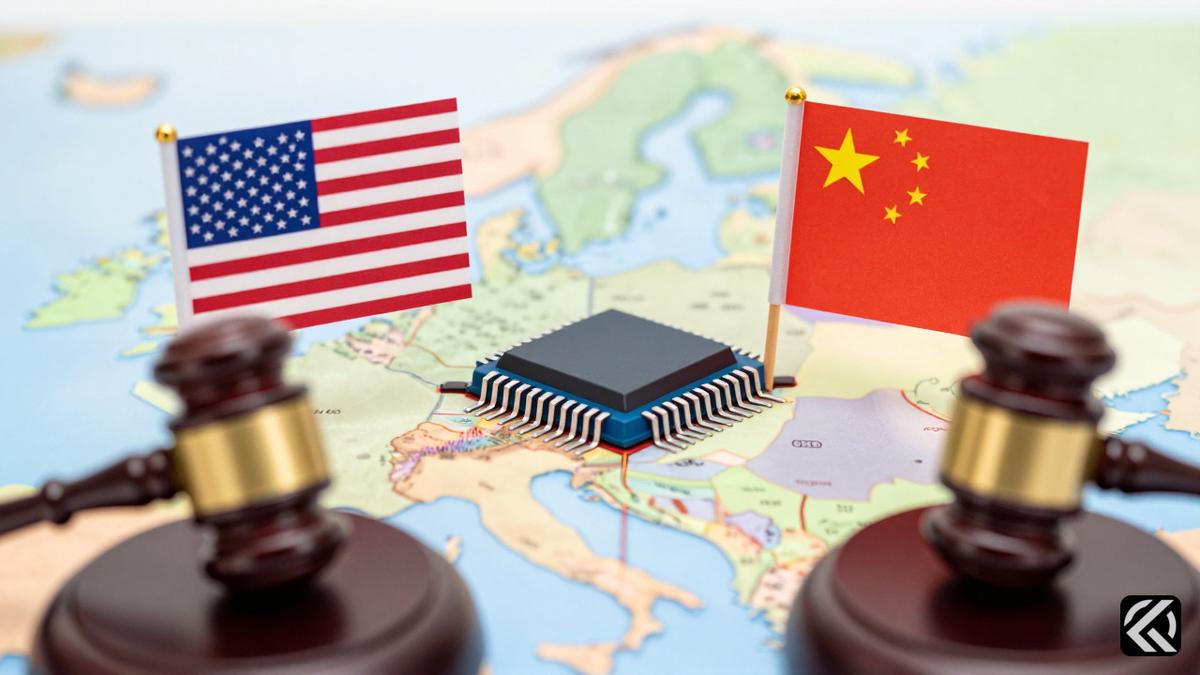
At the heart of the spy allegations is the race between the United States and China for supremacy in an industry widely seen as the next industrial revolution. Key US lawmakers, including Senate Democratic leader Chuck Schumer, called Thursday for answers on what the Trump administration knew about Huang’s ties to a suspected Chinese spy, days before Trump travels to China for a summit. Reports allege the Commerce Department under Secretary Howard Lutnick may have failed to act on suspicions that Megaspeed was helping reroute restricted Nvidia technology to China. On Thursday, Malaysia also said it was investigating a subsidiary of Megaspeed International over the possible diversion of advanced AI chips to other countries.
The summoning of Huang marks a pivotal moment for regulatory oversight in the tech sector. As lawmakers probe potential failures by the Commerce Department to act on espionage suspicions, the intersection of corporate leadership and national security will face intensified scrutiny. International cooperation, particularly with Singapore and Malaysia, may strengthen to curb chip diversion, potentially altering global supply chains. Investors and competitors must brace for prolonged uncertainty as Nvidia navigates this leadership transition, while policymakers consider stricter controls on AI hardware exports to geopolitical rivals.
Nov 17, 2026 16:45 UTC
US Intel Warns of Iran Dirty Bomb Plot in DC
Nov 17, 2026 12:48 UTC
Quad Summit Manila: Modi, Trump Focus on Indo-Pacific Security
Nov 17, 2026 10:43 UTC
Ukraine Strike Collapses Crimean Bridge Ahead of Diplomatic Talks
Nov 16, 2026 16:25 UTC
Beijing Claims Historic Significance for Trilateral Talks in Shenzhen
Nov 17, 2026 14:43 UTC
Howard Lutnick’s Tenure Tested by Internal Discord and Scandals