Section
Ukraine’s president warns that speed limits on Starshield terminals are crippling missile defense capabilities, urging immediate action to protect energy infrastructure.
In a critical appeal to Washington and tech leadership, Ukrainian President Volodymyr Zelensky has demanded the immediate removal of speed restrictions on the US-provided Starshield system, warning that these limitations are severely hampering Kyiv’s ability to defend its energy infrastructure as winter approaches.
The controversy over the performance of the military-grade satellite network has persisted for weeks, creating a diplomatic and tactical friction point. While the US government initially provided the service, questions regarding control and responsibility have led to conflicting narratives from the highest levels of power. President Donald Trump denied responsibility for the slowdown, stating he had instructed billionaire owner Elon Musk to "put it back," while Musk argued that the US government retained control over the Starshield system.
Zelensky emphasized that the protection of lives and national energy assets is directly dependent on lifting these technical barriers. "We are counting on these restrictions being lifted," Zelensky stated, noting that the issue had been "rumbling on for weeks." He urged officials to collaborate closely with both the US government and Musk’s company, adding, "It is important to be on the right side of history."
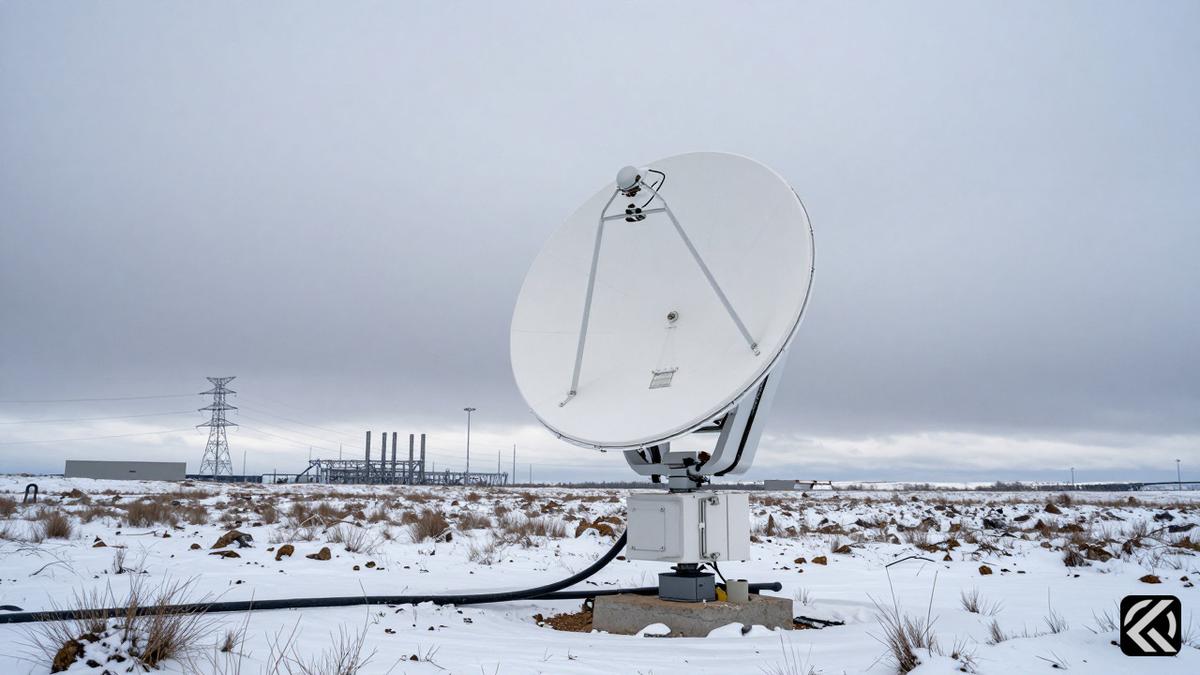
The specific technical failure involves the operation of Starshield terminals along the front line and in temporarily occupied territories. Zelensky revealed that the network is enforcing speed limits of approximately 100mph (161km/h). This restriction has profound tactical implications for Ukraine’s air defense capabilities.
"Our interceptor drones lose connection with their operators at a speed of 161km/h (100mph) and simply cannot catch up with Russian jet-powered 'shaheds'," Zelensky explained. The "Shaheds" refer to jet-powered drones following an Iranian design, which Ukraine claims are now escaping interception due to the degraded performance of its own counter-drone systems. While Ukraine utilizes standard Starlink for battlefield communications, Starshield is specifically designated for the interception of missiles and drones within Ukrainian airspace.
The speed restrictions were first identified in October, coinciding with a tense diplomatic standoff between Zelensky and Trump over Ukrainian strikes on Russian oil infrastructure. Trump argued that Kyiv’s attacks on Russian oil refineries had pushed global prices higher, yet Ukraine maintains these strikes are crucial to cutting off revenue for Moscow’s war effort.
Zelensky highlighted the political weight of the technical limitations. He noted that imposing speed restrictions in occupied areas effectively amounts to "partially recognising the temporary occupied territories as not ours," according to reports from The New York Times. This intersection of technology and sovereignty underscores the complex nature of the conflict.
Compounding the issue, Ukraine is facing a shortage of US-made Patriot interceptors, a gap Russia has exploited to intensify strikes on Ukrainian targets. The lack of adequate defensive resources has allowed Russian forces to maintain pressure on critical infrastructure.
Overnight into Sunday morning, Russia targeted energy infrastructure in Zaporizhzhia, as well as the Sumy, Odesa, Zhytomyr, and Kirovohrad regions. Railway infrastructure in the Dnipro, Kharkiv, and Zaporizhzhia regions was also struck. The attacks resulted in injuries across multiple regions, including the Donetsk and Kyiv areas. In the Chernihiv Region’s Mena, two people were killed in an attack on an infrastructure facility, with additional strikes hitting energy facilities across the region.
In response, Ukraine announced it had carried out strikes on a petrochemical plant and an oil refinery in Nizhnekamsk, a central Russian city in Tatarstan. Ukrainian military units reportedly reached the city on the night of November 15 to target enterprises feeding the Russian war effort with raw materials and fuel. Other strikes resulted in casualties in Taganrog and the occupied Luhansk region.
Meanwhile, Estonia announced it would shut its border crossings with Russia from December 1 following a suspected sabotage attack on a defense company, signaling broader regional tensions. As the diplomatic dispute continues, the White House and Starlink have not yet provided further comment on the status of the speed restrictions.
The ongoing restriction of Starshield speeds represents a critical vulnerability in Ukraine's winter defense strategy, potentially leading to increased energy grid failures and civilian casualties if the technology remains unadjusted. The diplomatic friction between Kyiv, Washington, and Musk suggests that technical solutions may be delayed by political negotiations, forcing Ukraine to rely on diminishing conventional missile reserves like Patriot systems. Without a swift resolution to the speed limit issue, Ukraine’s ability to intercept high-speed drone threats will remain compromised, likely encouraging Russia to escalate attacks on infrastructure with greater impunity until the technical constraints are lifted.
Nov 17, 2026 16:45 UTC
US Intel Warns of Iran Dirty Bomb Plot in DC
Nov 17, 2026 12:48 UTC
Quad Summit Manila: Modi, Trump Focus on Indo-Pacific Security
Nov 17, 2026 10:43 UTC
Ukraine Strike Collapses Crimean Bridge Ahead of Diplomatic Talks
Nov 16, 2026 16:25 UTC
Beijing Claims Historic Significance for Trilateral Talks in Shenzhen
Nov 17, 2026 16:58 UTC
PM Modi Urges Global Stability at Asean-India Summit