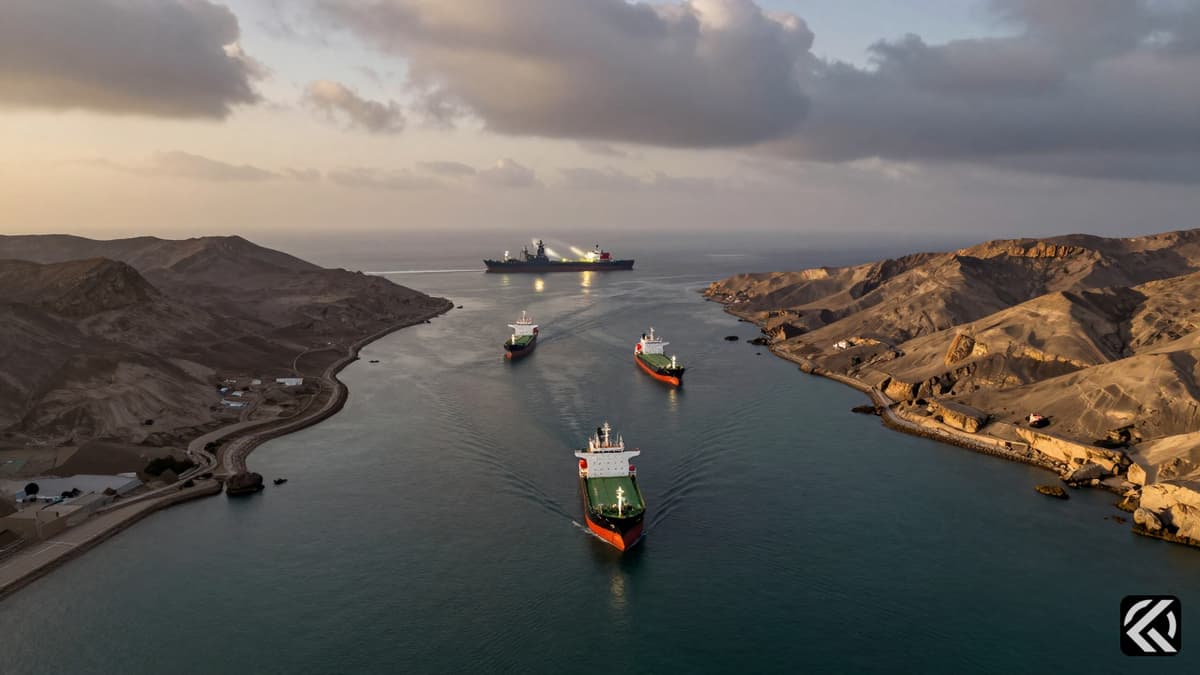
With talks stalled and pressure mounting, Iran vows not to surrender under duress. As the Iran-US ceasefire deadline nears, tensions in the Strait of Hormuz escalate, rattling global oil markets.
Iran has adopted a defiant posture as the imminent expiration of a two-week ceasefire with the United States approaches, explicitly warning that it is prepared to escalate military actions if diplomatic efforts fail. The standoff centers on Tehran's refusal to negotiate under what it perceives as coercive pressure, even as Washington maintains a strict naval blockade and pushes for a resolution. Tensions have flared significantly around the critical Strait of Hormuz, a vital global supply artery where both sides have exchanged warnings regarding future hostilities.
The crisis deepened as Iran's parliament speaker, Ghalibaf, condemned the United States for employing pressure tactics designed to force capitulation rather than genuine dialogue. He stated that President Trump is attempting to transform the negotiating table into one of surrender by imposing a blockade and breaching the truce. Ghalibaf emphasized that Iran does not accept negotiations conducted under the shadow of threats, signaling a hardened stance as the deadline for the current truce draws to a close. Simultaneously, the US President has maintained a hardline position, insisting that the naval blockade will remain in place until a comprehensive deal is reached. Trump has claimed that these measures are "absolutely destroying Iran," noting that the country is losing hundreds of millions of dollars daily due to the restrictions.
While Washington maintains that American forces are "winning" on the battlefield and warns of further escalation if diplomacy collapses, the situation on the ground has already begun to impact global stability. The ongoing confrontations have rattled international markets, pushing oil prices sharply higher as fears of prolonged disruption in the Strait of Hormuz grow. Iran has intermittently restricted traffic through this crucial waterway, while US forces continue to intercept vessels accused of violating the blockade. These incidents have created a volatile environment where the flow of energy resources is frequently threatened by military posturing from both nations.
Beyond the immediate friction between Tehran and Washington, the broader region remains on high alert. Fresh talks backed by the United States between Israel and Lebanon are set to resume, even as sporadic violence persists despite a separate ceasefire involving Hezbollah. This adds another layer of complexity to an already volatile geopolitical landscape, where one flashpoint often ignites another. European leaders have urged caution, with French President Emmanuel Macron explicitly labeling the actions taken by both sides around the Hormuz strait as "a mistake," highlighting international concern over the potential for a wider conflagration.
Amidst this backdrop of escalating rhetoric and military posturing, a potential avenue for dialogue remains under discussion. A US delegation is expected to travel to Islamabad for a new round of talks, though Tehran has yet to confirm whether it will participate in these US-Iran negotiations Pakistan initiative. The uncertainty surrounding Iran's participation underscores the fragility of the current diplomatic efforts. As the two-week ceasefire edges toward expiry, the exchange of warnings continues unabated, with both sides seemingly preparing for the possibility that the current framework may not hold.
The strategic importance of the Strait of Hormuz cannot be overstated, given that a significant share of the world's oil passes through this narrow passage. Any prolonged disruption here poses a direct threat to the global economy, a reality that has been made starkly clear by the recent spike in oil prices. The dual strategy employed by the US-combining economic strangulation through the blockade with military assertions of victory-stands in sharp contrast to Iran's narrative of resistance against coercion. This fundamental clash of approaches has left the situation at a precarious impasse, with neither side appearing willing to make the concessions necessary to secure a lasting agreement.
As the window for de-escalation narrows, the likelihood of further confrontation increases significantly. The persistence of the Trump naval blockade Hormuz alongside Iran's threats to reveal "new cards" suggests that the current period of instability may deepen rather than ease. If diplomatic channels in Pakistan fail to yield results, the region could face a prolonged period of volatility, exacerbating the economic shockwaves already felt in global markets. The convergence of military threats in Hormuz, ongoing proxy conflicts in Lebanon, and the failure of immediate negotiations indicates that the geopolitical landscape is poised for a critical inflection point.
Jun 8, 2026 00:51 UTC
Trump Claims Iran Nuclear Deal Imminent Despite Diplomatic Fractures
Jun 8, 2026 00:47 UTC
Iran Fires Missiles at Israel After Beirut Strike
Jun 7, 2026 22:00 UTC
US, Iran Peace Hops Fade 100 Days Into War
Jun 7, 2026 20:57 UTC
Iran Strikes Israel: IRGC Promises Week of Continuous Offensive
Jun 8, 2026 02:28 UTC
Trump Walks Out of Meet the Press After Rejecting Evidence Demands


