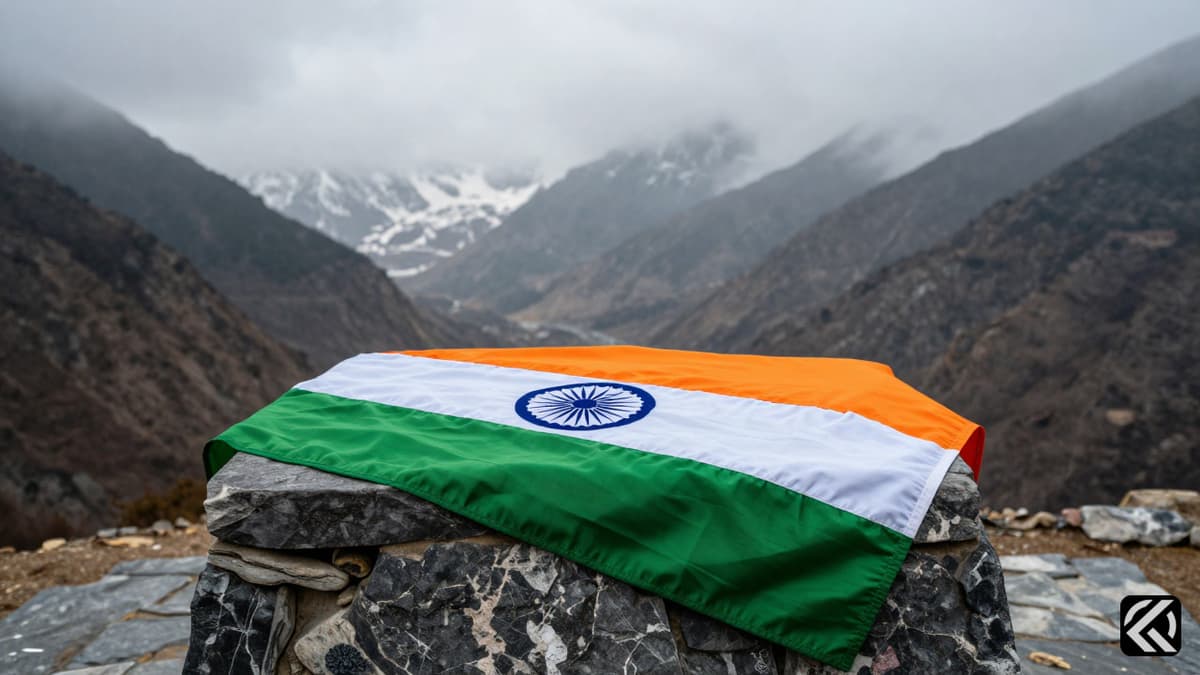
On the first anniversary of the Pahalgam terror attack, Congress leaders Mallikarjun Kharge and Rahul Gandhi reaffirm India’s unbreakable spirit and unity.
The Indian National Congress marked a somber occasion on Wednesday, April 22, 2026, by reaffirming the nation’s steadfast commitment to security and unity. As the country observed the first anniversary of the Pahalgam terror attack, top party leadership, including President Mallikarjun Kharge and senior leader Rahul Gandhi, issued strong statements condemning terrorism and honoring the sacrifices of innocent citizens. This gesture served as a public declaration of national resolve, asserting that India will never succumb to hatred or violence in the aftermath of such tragic events.
In a digital message posted on the social media platform X, Mallikarjun Kharge articulated the party’s collective stance, describing the national spirit as unbroken and resolute. He noted that the nation remains united against every act of terrorism, refusing to allow fear to dictate the country’s path. By emphasizing this unity, Kharge aimed to provide comfort to the families who lost loved ones while sending a clear message to adversaries that the Indian state stands firm. The timing of this declaration, coinciding with the first anniversary of the incident, highlights the enduring impact of the attack on the national psyche and the ongoing process of mourning and healing.
Kharge’s statement extended beyond mere condemnation, offering explicit homage to the victims of the violence. He declared that the nation will never forget the sacrifices made by innocent citizens, nor will it forgive the perpetrators. This dual acknowledgment of memory and moral judgment underscores the gravity of the event in the public consciousness. Furthermore, Kharge specifically saluted the armed forces for their critical role in Operation Sindoor. This reference highlights the military’s contribution to responding to the crisis, acknowledging the operational efforts that followed the initial tragedy. By linking the political stance of the Congress party with the military actions taken during Operation Sindoor, Kharge bridges the gap between civilian governance and national security responses.
The involvement of Rahul Gandhi in stressing national unity alongside Kharge indicates a consolidated leadership approach to addressing the aftermath of the attack. Their joint emphasis on resolve suggests that the Congress party views the incident not just as a local tragedy, but as a test of the nation’s overall integrity and cohesion. The absence of specific details regarding the tactical outcomes of Operation Sindoor in the public statements focuses the narrative on the symbolic power of unity rather than operational specifics. This approach aligns with the party’s goal of presenting a front of solidarity in the face of adversity.
The tribute to bereaved families is a crucial component of this political response. Kharge explicitly stated that thoughts remain with those who have lost loved ones, acknowledging the human cost of terrorism. This emotional connection serves to humanize the political narrative, ensuring that the discussion remains grounded in the real-life impacts of violence. The focus on the families also directs public attention toward the victims rather than the perpetrators, shifting the discourse from fear to empathy and support.
Historically, anniversaries of terror attacks serve as pivotal moments for political entities to define their stance on security and national identity. In this context, the Congress party’s actions reinforce its position as a defender of national unity. The reference to Operation Sindoor links the past event to ongoing security protocols, suggesting that the lessons learned from the Pahalgam incident continue to influence national defense strategies. However, the public statements remain focused on the moral and emotional dimensions of the anniversary, prioritizing reconciliation and strength over political confrontation.
The reaction to the anniversary also reflects broader trends in Indian politics, where unity against external and internal threats is a central theme. By invoking the spirit of India, Kharge and Gandhi tap into a narrative of resilience that resonates across diverse demographics. This narrative is particularly significant in a period where security concerns remain paramount. The party’s decision to use social media to disseminate these messages indicates an understanding of the modern media landscape, aiming to reach a wider audience with a consistent message of strength and sympathy.
Furthermore, the emphasis on “never bowing” suggests a long-term strategic outlook. It implies that the resolve demonstrated on this anniversary is not temporary but a permanent feature of India’s political and social fabric. This permanence is essential for maintaining national morale in the wake of repeated security challenges. The Congress party’s framing of the event as a testament to an unbroken spirit aims to inspire confidence among the public that the nation can withstand and recover from such assaults.
The mention of Operation Sindoor also serves to validate the efforts of the security apparatus. By publicly saluting the armed forces, the party acknowledges their bravery and effectiveness, which is crucial for maintaining public trust in national institutions. This acknowledgment is a subtle yet important aspect of political communication, reinforcing the bond between the civilian government and the military. It also ensures that the contributions of the armed forces are not overshadowed by the political debates that often follow such events.
As the first anniversary passes, the focus remains on memory and resolve. The Congress party’s statements ensure that the victims are remembered not just as statistics, but as individuals whose sacrifices contribute to the nation’s strength. This perspective is vital for fostering a culture of remembrance and resilience. The party’s actions suggest that while the immediate shock of the attack may have faded, the determination to prevent future tragedies remains as strong as ever.
The use of the term “sacrifices” rather than “casualties” is a deliberate linguistic choice that elevates the status of the victims. It frames their loss as a contribution to the greater good of national security, thereby giving meaning to their suffering. This framing is a powerful tool for national cohesion, encouraging citizens to view themselves as part of a collective struggle against terror.
In conclusion, the Congress party’s response to the Pahalgam terror attack anniversary is a multifaceted effort to reinforce national unity, honor victims, and acknowledge security forces. By combining emotional tribute with political resolve, the party aims to project an image of a strong, united India. The references to Operation Sindoor and the unwavering stance against terrorism underscore a commitment to long-term security and stability.
This anniversary reinforces a narrative of resilience, likely strengthening public support for robust security measures and military engagements like Operation Sindoor in the future. The consistent messaging of unity suggests a sustained political effort to maintain national cohesion against terror, potentially influencing policy debates and public opinion on counter-terrorism strategies for years to come.
Jun 8, 2026 02:17 UTC
Magnitude 7.8 Quake Shakes Philippines, Urging Immediate Evacuations
Join 50,000+ readers getting the global briefing every morning.
No spam. Unsubscribe anytime.
Jun 8, 2026 02:17 UTC
Magnitude 7.8 Quake Shakes Philippines, Urging Immediate Evacuations
Jun 8, 2026 00:51 UTC
Trump Claims Iran Nuclear Deal Imminent Despite Diplomatic Fractures
Jun 8, 2026 00:47 UTC
Iran Fires Missiles at Israel After Beirut Strike
Jun 7, 2026 22:38 UTC
Congress Party Claims Unity for INDIA Bloc Delhi Meeting