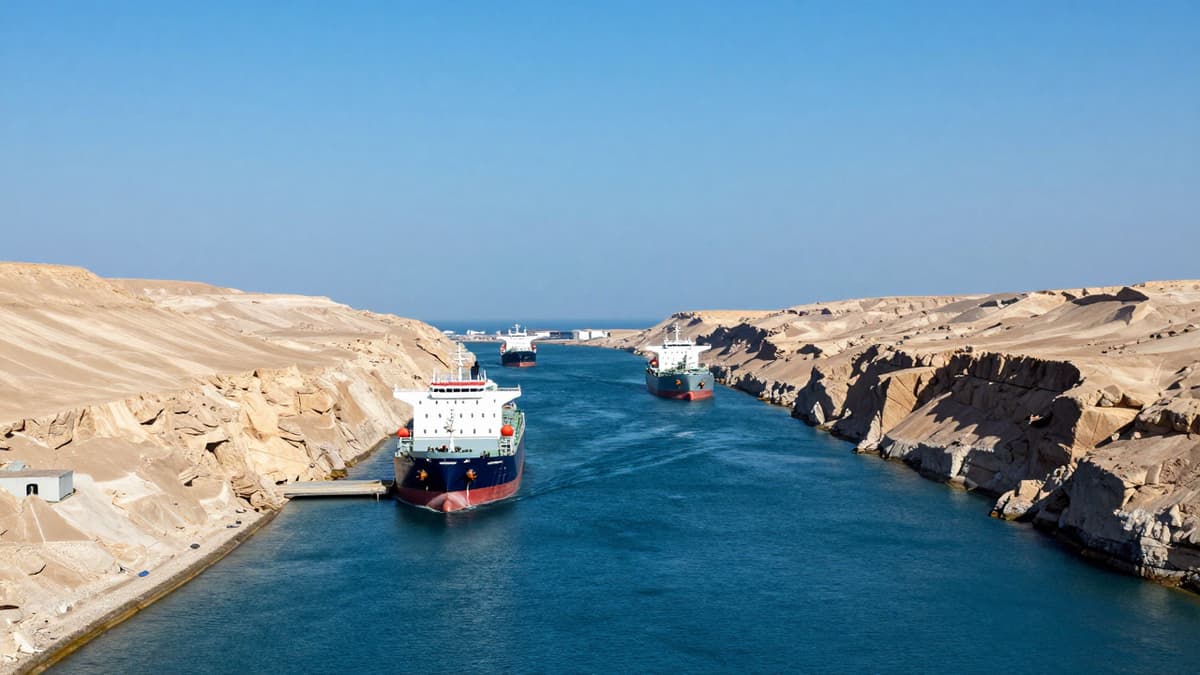
In a strategic move during the ongoing regional conflict, Iran has permitted India and other friendly nations to resume commercial shipping through the critical Strait of Hormuz.
Iran has officially granted passage through the Strait of Hormuz to India and a select group of "friendly nations," including China and Russia, according to a recent announcement by Iranian Foreign Minister Seyed Abbas Araghchi. This decision marks a significant development in the ongoing geopolitical tensions, as the narrow shipping lane between the Persian Gulf and the Gulf of Oman has been virtually blocked by Iran. The blockade, which handles roughly 20% of global oil and Liquefied Natural Gas (LNG) traffic, has triggered a sharp surge in global oil and gas prices.
The announcement comes amidst the escalating Iran-Israel war, with the region currently described by Iranian officials as a war zone. Foreign Minister Araghchi clarified the distinction in access, stating that while ships linked to Iran's adversaries will not be allowed to transit, the waterway remains open to specific friendly nations. This selective opening is a direct response to the growing global concerns over disruptions in commercial shipping, which threaten the stability of international energy markets.
In a statement reported by Iranian State TV, Araghchi confirmed the list of nations permitted to pass through the strategic waterway. "We have permitted certain countries that we consider friendly to pass through (Strait of Hormuz). We allowed China, Russia, India, Iraq, and Pakistan to transit," the Foreign Minister said. The Iranian leadership emphasized that this permission is not universal, noting that there is no reason to allow ships of "our enemies and their allies" to pass through given the current state of war.
India has been heavily impacted by the disruptions, given that West Asia serves as a major source of the country's energy procurement. New Delhi has been actively engaged in diplomatic efforts over the last couple of weeks, focusing on ending the conflict in West Asia as soon as possible. The Indian government's primary goal is to ensure the unimpeded flow of energy through the Strait of Hormuz to prevent severe economic repercussions.
The stakes for India energy security are incredibly high, as New Delhi warns of serious ramifications for fuel and fertiliser security for many countries if the blockade continues. The continued disruption of this critical artery could have cascading effects on global supply chains, particularly for nations heavily reliant on imported energy resources. The situation has drawn the attention of the United States, with President Donald Trump issuing a stern warning to Iran about severe consequences if the waterway does not reopen fully for all parties.
The strategic importance of the Strait of Hormuz cannot be overstated in this context. As a chokepoint for global energy, any obstruction here sends shockwaves through international markets. The fact that Iran has now allowed a specific group of nations to transit suggests a nuanced diplomatic strategy, balancing the demands of a war zone with the necessity of maintaining ties with key partners like India, China, and Russia.
The diplomatic landscape surrounding this development is complex. While Iran has opened the gate for specific allies, the underlying conflict remains unresolved. The region is still officially in a state of war, which explains the continued closure to adversaries. However, the permission granted to India and others signals a potential de-escalation in the immediate threat to these specific nations' commercial interests.
New Delhi's proactive diplomatic stance highlights the critical nature of the situation for the subcontinent. The fear of disruptions to fuel and fertiliser supplies underscores the vulnerability of the Indian economy to regional instability. As long as the war persists, the threat to the Strait of Hormuz remains a persistent variable in global energy security calculations. The upcoming days will be crucial in determining whether this limited opening of the waterway leads to a broader resolution or remains an isolated exception for friendly nations.
The international community, particularly the US, remains on high alert. President Trump's warning adds a layer of pressure on Iran to reconsider its stance on the blockade. The potential for severe consequences implies that the current arrangement might be fragile. If the broader conflict intensifies or if the blockade expands again, the economic fallout could be severe. For now, the passage granted to India and its allies offers a temporary reprieve, but the long-term stability of the waterway remains tied to the resolution of the Iran-Israel war.
The decision to allow specific nations through while blocking others represents a calculated diplomatic move by Tehran. It acknowledges the interconnectedness of the global economy while maintaining a posture of hostility toward adversaries. For India, this is a victory for its diplomatic efforts, but it also highlights the ongoing risks to its India energy security.
Looking ahead, the sustainability of this partial opening depends heavily on the trajectory of the regional conflict. If the Iran-Israel war de-escalates, it is likely that the blockade could be fully lifted, restoring normal commercial operations. Conversely, if hostilities intensify, the selective access granted today could be revoked, leading to renewed disruptions. The global community must remain vigilant, as the Strait of Hormuz remains a critical pressure point in international relations and energy markets. The immediate relief for India and other friendly nations is significant, but the underlying geopolitical tensions suggest that the situation remains volatile and requires continued diplomatic engagement to ensure lasting stability.
May 9, 2026 21:40 UTC
Russia Cuts Heavy Armor From Victory Day Parade Amid War
May 9, 2026 19:32 UTC
Hardliners Sabotage Iran-US Negotiations Amidst Fractured Regime
May 9, 2026 17:43 UTC
Moscow's Stripped-Down Victory Day: A Shift in Military Display
May 8, 2026 19:28 UTC
Iran Transforms Destroyed B1 Bridge Into Symbol of Resistance
May 10, 2026 19:45 UTC
Iran’s Tiered Internet Access Fuels Public Anger and Regime Divides


