Prime Minister Narendra Modi has urged citizens to conserve petrol and diesel and postpone international travel to strengthen national energy security amid rising global tensions.
NEW DELHI: Prime Minister Narendra Modi addressed a gathering in Secunderabad on Sunday, issuing a solemn call for citizens to adopt significant measures to reduce fuel consumption in the wake of the ongoing West Asia conflict. Recognizing the global instability that has driven up energy concerns, the Prime Minister emphasized that reducing dependence on imported fuel has transitioned from a policy preference to a national necessity. He urged the public to utilize petrol, diesel, and gas with "great restraint," framing the reduction of energy waste as a patriotic duty during this period of global crisis.
The Prime Minister outlined several practical steps for individuals to follow, prioritizing the use of public transport, particularly metros in cities where connectivity exists. For those requiring private vehicles, he encouraged carpooling and the maximization of electric vehicle usage. Drawing parallels to the strategies employed during the pandemic, PM Modi suggested that work-from-home systems, online meetings, and virtual conferences should be revived to further lower fuel demand. He stated clearly that these actions are essential for the national interest, urging people to make a "big resolution" to curb their use of fossil fuels completely during this critical time.
Furthermore, the Prime Minister addressed the economic implications of the conflict, calling for the conservation of foreign exchange by discouraging non-essential overseas travel. He noted the prevalent culture of weddings and vacations abroad among the middle class and suggested that such international travel should be postponed for at least a year. This measure aims to keep foreign reserves stable while the global energy market experiences volatility. "We must decide that during this time of crisis, we should postpone travelling abroad," he declared, linking personal travel choices directly to the broader economic health of the nation.
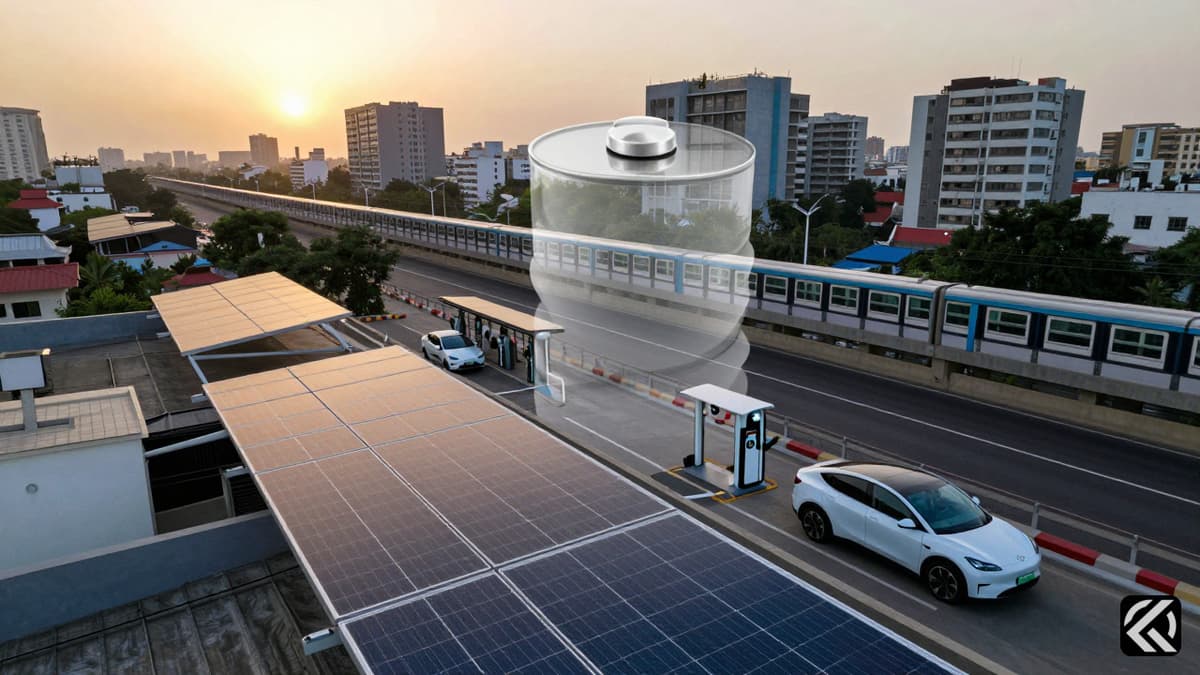
Beyond immediate behavioral changes, PM Modi highlighted the government's long-term strategy to enhance energy security. He pointed to the Centre’s "unprecedented investments" in India’s energy sector as a buffer against global shocks. The Prime Minister stressed that energy security is a concern felt by everyone worldwide, but India is actively mitigating risks through infrastructure development. This includes expanding solar power capacity, increasing ethanol blending in petrol, improving LPG coverage, and developing piped gas infrastructure and CNG-based transport systems. These initiatives are designed to reduce India’s vulnerability to fluctuations in the international oil market.
During the same event, after virtually inaugurating and laying the foundation stone for projects worth approximately Rs 9,400 crore in Telangana, the Prime Minister detailed specific developments aimed at bolstering infrastructure. The initiatives unveiled covered road, railway, petroleum, and textile sectors. Key projects included the four-laning of National Highway-167 on the Hyderabad-Panaji Economic Corridor, development works in the Zaheerabad Industrial Area, and sections of the Kazipet-Vijayawada railway multi-tracking project. Additionally, a Greenfield Petroleum, Oil and Lubricants terminal was announced for Hyderabad.
The Prime Minister also officially inaugurated the PM MITRA Park at Warangal, described as the country’s first fully operational PM MITRA textile park. These developments underscore the government's dual approach: immediate conservation efforts alongside structural investments in alternative energy and industrial capacity. By promoting cleaner and alternative energy sources, the administration aims to create a resilient economic framework that can withstand external geopolitical pressures. The Prime Minister reiterated that using imported petro products only as per need will not only save foreign exchange but also reduce the adverse impact of the war on the Indian economy.
The emphasis on energy security extends beyond just oil and gas. The integration of renewable energy sources like solar power and ethanol-blended fuels represents a critical shift in national policy. By diversifying the energy mix, India aims to decrease its reliance on imported crude oil, which has become increasingly precarious due to the conflict in West Asia. The government’s strategy involves a holistic approach, combining immediate public behavioral changes with long-term infrastructural investments. This includes expanding the network of CNG stations and improving the reliability of piped gas supplies, ensuring that industries and households have access to stable, affordable energy alternatives.
The call to postpone foreign travel and adopt work-from-home practices serves as both an economic safeguard and a symbolic gesture of unity during a global crisis. While these measures may inconvenience some, the Prime Minister framed them as essential contributions to the nation’s stability. The inauguration of the PM MITRA Park and other infrastructure projects signals a continued commitment to industrial growth and job creation, even as energy conservation becomes a priority. This balance between immediate conservation and long-term development highlights the complexity of managing a growing economy amidst global uncertainty.
The Prime Minister’s address also touched upon the psychological aspect of the crisis, urging citizens to view energy conservation as a duty paramount over convenience. By encouraging the revival of virtual meetings and remote work, the government aims to sustain productivity while minimizing fuel usage. This approach mirrors successful strategies from previous global disruptions, adapting them to the current energy landscape. The focus on electric vehicles and solar power further indicates a forward-looking policy that seeks to align immediate crisis management with sustainable long-term goals.
As global oil prices continue to fluctuate, the importance of these domestic measures becomes increasingly clear. The government’s push for ethanol blending and solar expansion is not merely an environmental initiative but a strategic move to secure the nation’s economic future. By reducing the import bill, India can maintain fiscal stability and invest more effectively in its own infrastructure. The detailed plans for roads, railways, and petroleum terminals in Telangana exemplify this commitment to localized development and national resilience.
The inauguration of projects in Telangana marks a significant step in India’s broader energy and industrial strategy. By establishing key infrastructure such as the Greenfield Petroleum terminal and the PM MITRA textile park, the region is positioned to benefit from reduced global energy dependency. These developments, coupled with the push for renewable energy sources like solar power, suggest a future where India is less susceptible to international oil market shocks. The combination of immediate conservation measures and long-term infrastructure investment positions the nation to navigate the current crisis while building a more sustainable and self-reliant economic foundation for the years to come.
May 10, 2026 13:00 UTC
Iran Delays Response to US War-Ending Proposal
Join 50,000+ readers getting the global briefing every morning.
No spam. Unsubscribe anytime.
May 10, 2026 15:47 UTC
PM Modi Calls for Fuel Conservation and Energy Security Measures
May 10, 2026 15:01 UTC
Kristin Smart Case: Search at Paul Flores Family Home Concludes Without Remains
May 10, 2026 13:03 UTC
M. K. Stalin Urges TVK to Continue Welfare Schemes
May 10, 2026 13:00 UTC
Iran Delays Response to US War-Ending Proposal


