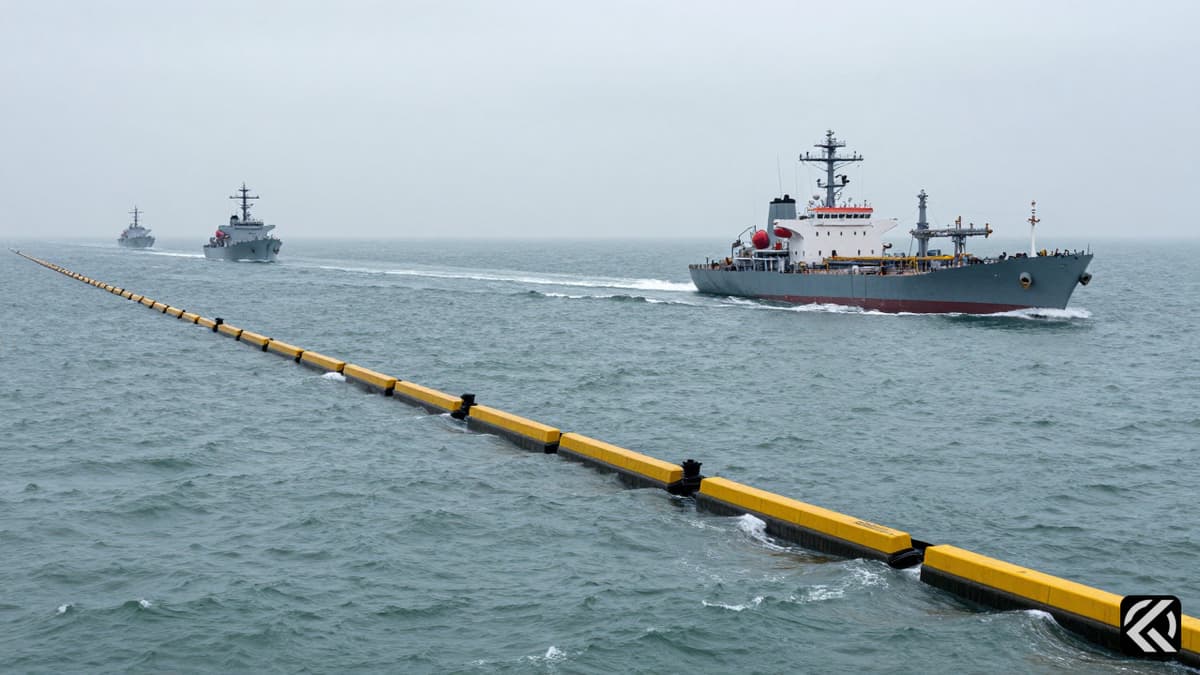
Tehran continues to deliberate on Washington's ultimatum, citing technical complexities and the need for comprehensive guarantees, as global energy markets tremble.
The United States is pressing for a swift reply to its latest proposal aimed at ending the war that has spilled into the region, triggering a global energy crisis due to Tehran’s de facto blockade of the Strait of Hormuz. Washington had expected a response by Friday, but Tehran maintains it is still reviewing the offer, insisting any agreement must be fair and comprehensive.
Expectations had been building for Tehran to issue its response on Friday, but silence persists. This delay stems from the US proposal being an extremely technical text that requires approval from multiple Iranian power centers, ultimately needing the green light from Supreme Leader Mojtaba Khamenei. Additionally, Iranian negotiators are concerned about every date and word in the text, viewing the delay as a way to maintain leverage in a situation they feel they are controlling.
According to US media reports, the latest proposal floated by Washington requires Iran to freeze uranium enrichment for at least 12 years and reopen the Strait of Hormuz within 30 days. The proposal also demands that Iran hand over an estimated 440kg of uranium enriched to 60 percent. The US objective is to prevent Tehran from reaching the 90 percent enrichment level necessary for weapons production.
In exchange for these concessions, the US has promised to lift some sanctions and release frozen Iranian assets. US President Donald Trump stated on Friday that he expected to learn Iran’s answer “very soon,” while Secretary of State Marco Rubio noted the US expected a response within hours. Rubio expressed hope that the response would lead to a serious negotiation process. Trump has repeatedly indicated progress, claiming recent talks were “very good” and that a deal was “very possible.”
However, Iran’s Ministry of Foreign Affairs spokesperson Esmaeil Baghaei confirmed on Friday that Tehran is still reviewing the proposal. Al Jazeera correspondent Resul Serdar Atas reported that one reason for the delay is the technical nature of the text. Mohamad Elmasry, a professor at the Doha Institute, suggested Iran may be delaying to demonstrate control and leverage, noting that the US is impatient and wants quick deals.
Iran is reportedly pursuing a three-phase approach, with the first phase focusing on permanently ending the war on all fronts, including involving Hezbollah in Lebanon. This is difficult for the US to guarantee, as fighting between Hezbollah and the Israeli army has persisted since a ceasefire in April. The Lebanese Ministry of Public Health reports over 2,700 deaths and 8,500 injuries since hostilities began on March 2.
Iran is demanding guarantees that attacks will not resume, insisting this guarantee come from the UN Security Council. While Iran agrees to sanctions relief and asset release, it also demands an end to the US blockade and the reopening of the Strait of Hormuz. However, Tehran believes the strategic environment has changed and insists on maintaining influence over the waterway rather than returning to the pre-war status quo. This is a difficult condition for Washington and regional countries to accept.
Rubio has stated Washington will not allow Iran to keep control of the Strait of Hormuz, warning that countries normalizing relations with a nation claiming control of an international waterway need more than strong statements. Another key issue is the Iran nuclear programme, with sources indicating Iran is not accepting the dismantling of facilities or the removal of enriched uranium.
Foreign Minister Abbas Araghchi questioned US reliability, citing previous attacks during negotiations in June 2025. He stated, “Every time a diplomatic solution is on the table, the US opts for a reckless military adventure.” The naval blockade imposed by the US on Iranian ports has escalated tensions, leading to sporadic skirmishes near the waterway since the US-Israel war on Iran began on February 28.
Iran’s delay in responding to the US proposal highlights the deep mistrust and technical complexities surrounding the current conflict. With the Iran nuclear programme and maritime control of the Strait of Hormuz remaining unresolved, the path to a lasting peace remains obstructed by mutual demands for guarantees that neither side is currently willing to fully grant. If Tehran does not provide a comprehensive response in the coming days, the risk of prolonged hostilities and further destabilization of global energy supplies will increase significantly. The reliance on UN Security Council guarantees and the refusal to accept unilateral US demands suggest that any future deal will require multilateral involvement and a fundamental shift in strategic postures from both Washington and Tehran to avoid further military escalation.
May 10, 2026 13:00 UTC
Iran Delays Response to US War-Ending Proposal
Join 50,000+ readers getting the global briefing every morning.
No spam. Unsubscribe anytime.
May 10, 2026 11:57 UTC
Suvendu Adhikari Sworn In As First BJP West Bengal Chief Minister
May 10, 2026 11:15 UTC
Sean Duffy Reality TV Series Ignites Ethics Debate
May 10, 2026 09:36 UTC
TVK's Vijay Sworn In as Tamil Nadu Chief Minister
May 10, 2026 07:57 UTC
Celebrate 2026 Mom with Heartfelt Tributes and Humor


